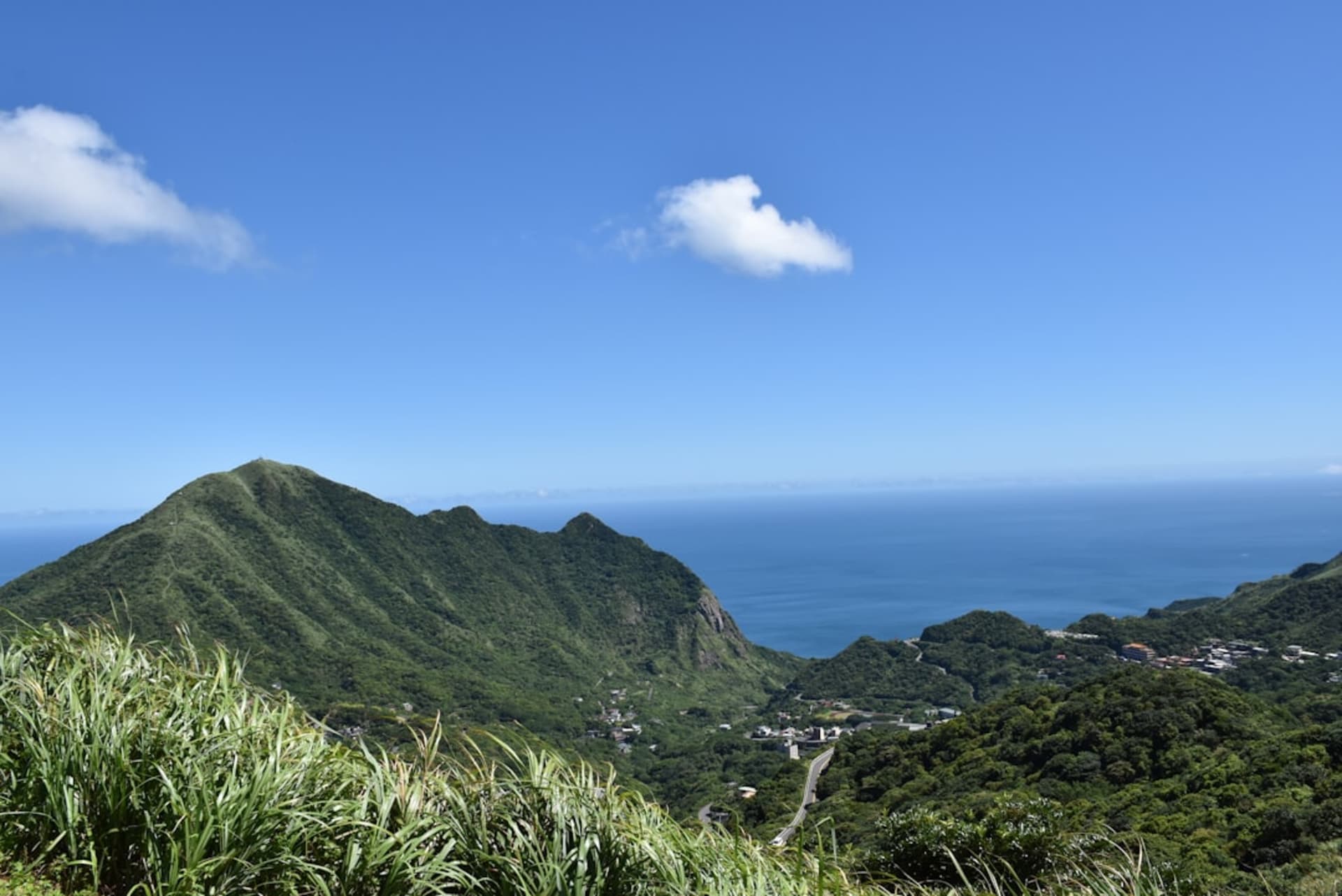
Jinguashi
"I held 220 taels of solid gold through a hole in a display case. My hand has never felt so inadequate."
A gold-mining town in the mountains above the northeast coast, home to a museum built around a former POW camp and Asia's largest surviving gold brick, still warm from visitors' hands.
Jinguashi sits just up the mountain from Jiufen, close enough that most day-trippers see it from a bus window and never actually stop, which is a mistake — I made it myself the first time I visited the region, and only came back on Lia’s insistence a year later.
The Gold Ecological Park
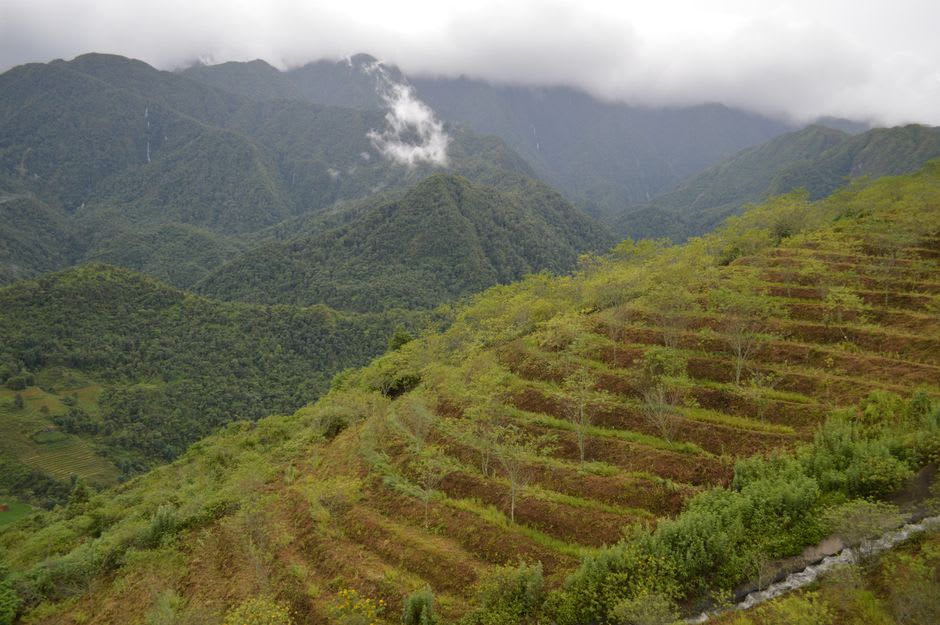
Jinguashi’s wealth came from a gold and copper vein discovered during the Japanese colonial period, and the town grew fast around mining operations that, at their peak, made this one of the richest mining districts in Asia. The Gold Ecological Park now occupies the old mining complex, a series of terraced buildings climbing the misty hillside, connected by paths past rusted rail cars, the former Japanese director’s residence, and a preserved mine tunnel you can walk into, cool and dripping, following the same shaft miners once worked twelve-hour shifts inside.
The park’s headline attraction is a 220-tael gold brick — over eight kilograms of solid gold — displayed with a hole cut into the case so visitors can reach in and touch it directly. Lia went first, laughed at how much heavier it felt than she expected, and made me try twice because I “wasn’t taking it seriously enough” the first time. I was taking it plenty seriously. It is genuinely strange to touch that much wealth through a small round hole in reinforced glass.
The POW Camp the Guides Skip
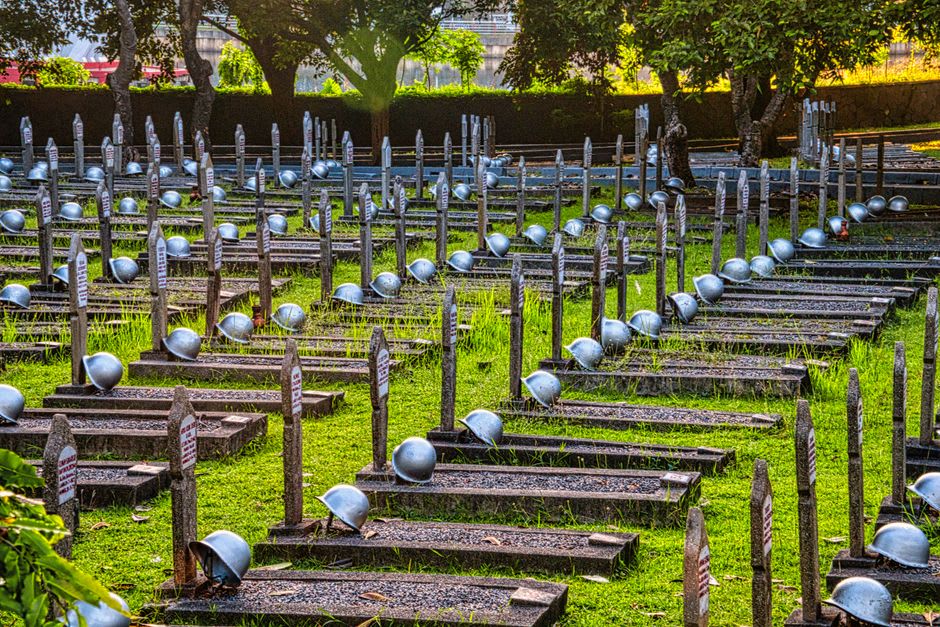
A less comfortable, more important stop is the Jinguashi POW camp memorial, a short walk from the main park. During the Japanese occupation, Allied prisoners of war — many of them British and Australian soldiers captured in the fall of Hong Kong and Singapore — were held here and forced into brutal labor in the copper mines, in conditions that killed a significant number of them. A small memorial garden and stone markers now note the site, largely thanks to the efforts of surviving veterans and their families who campaigned for its recognition decades later. It’s a quiet, sobering half hour that reframes the pretty terraced hillside above it.
When to go: Weekday mornings, ideally combined with Jiufen since they’re a ten-minute drive apart. Expect mist and light rain most of the year — this is one of Taiwan’s wettest microclimates — so autumn’s slightly drier stretches are the best bet, though the fog itself adds to the atmosphere.