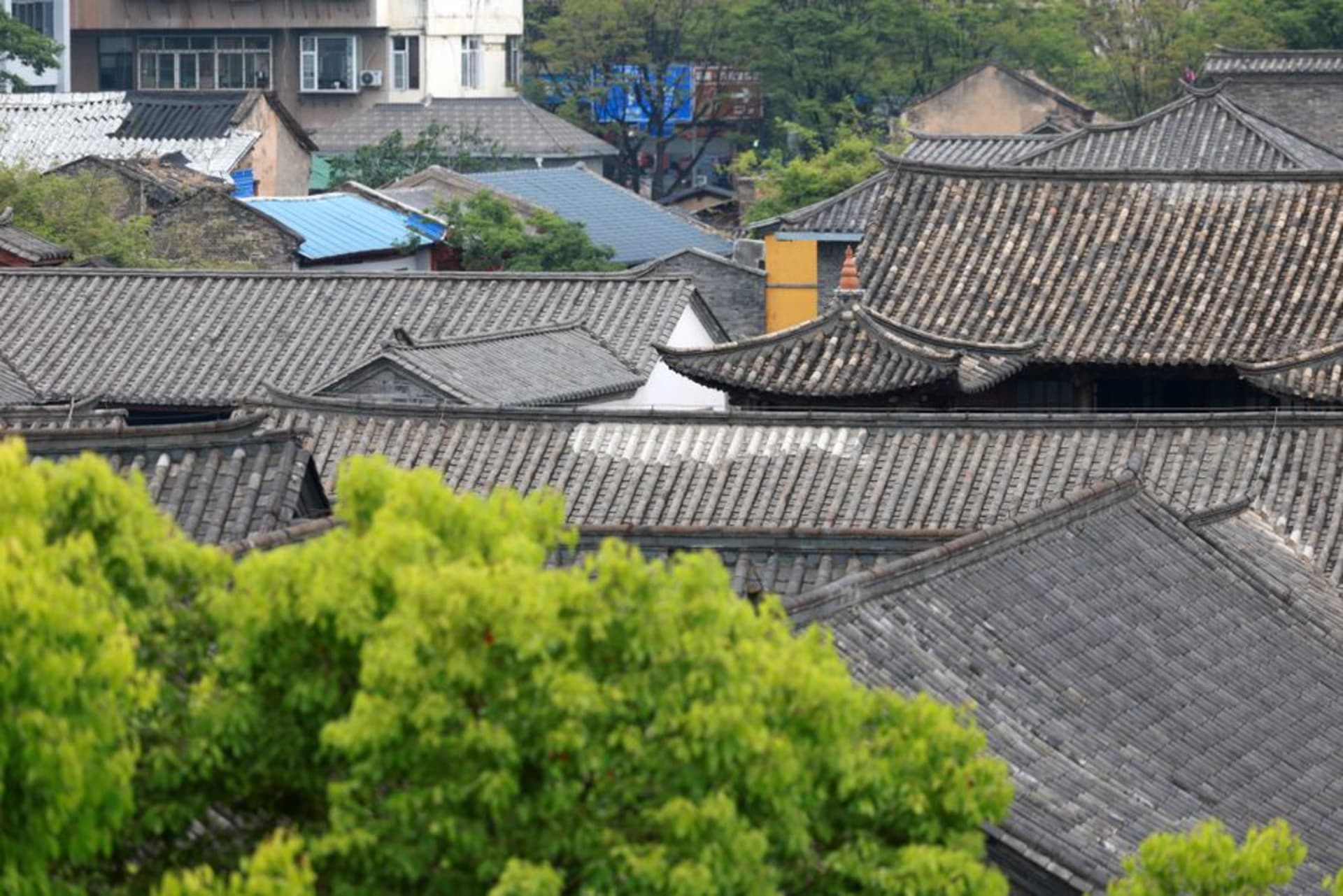
Hengchun Old Town
"Everyone drives through Hengchun on their way to Kenting. Almost no one stops, which is exactly why we did."
A walled Qing-era town at the gateway to the Hengchun Peninsula, its four original gates still standing between betel nut stands and scooter traffic.
Every bus, scooter, and rental car heading to Kenting passes straight through Hengchun without stopping, funneled along the main road that cuts through what used to be a fully walled town. We’d done the same thing on our first trip down the peninsula. On the second, we finally pulled over, and found four intact Qing dynasty gates still standing, doing the strange work of being both a genuine historic monument and a traffic roundabout at the same time.
Four Gates, One Town
Hengchun’s wall dates to 1875, built after a Japanese military expedition to the area forced the Qing government to finally fortify its southern frontier properly. Remarkably, all four original gates survive — East, West, South, and North — along with long stretches of the original stone wall connecting them, something almost no other walled town in Taiwan can claim. The South Gate is the most photogenic, framed by old banyan trees with roots that have grown directly into the stonework over the last century and a half, slowly fusing tree and fortification into one structure.
A Town That Still Works
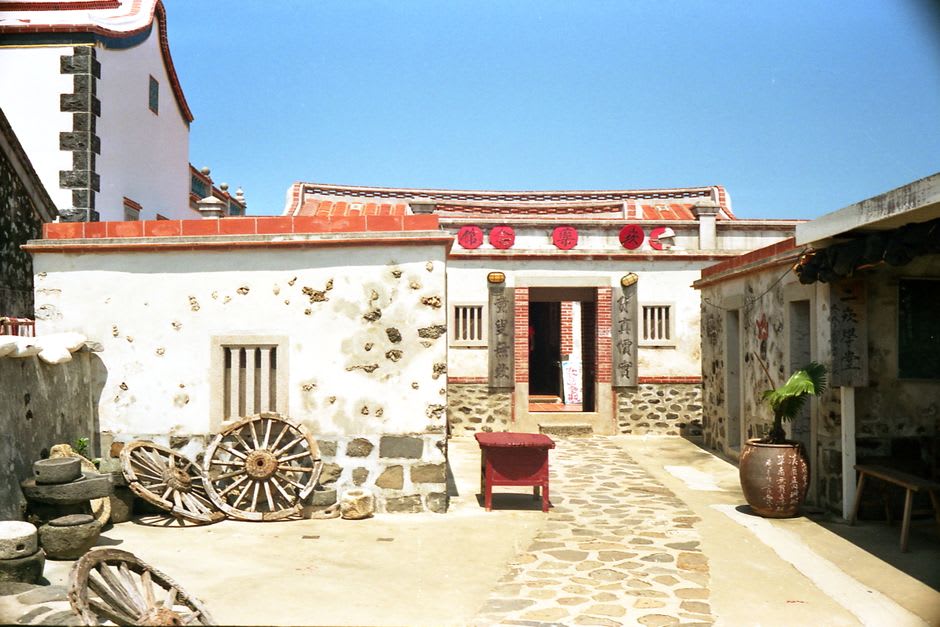
What made Hengchun stick with me wasn’t the history plaques, though. It was how unselfconsciously the old town still functions as a normal town — a wet market spilling out from under one gate’s archway, betel nut stands doing steady business, an ancient-looking bakery near the West Gate selling green onion pastries that a queue of locals clearly considered non-negotiable. Lia and I split one still warm from the oven, flaky and faintly sweet with a savory scallion punch, and agreed it beat anything we’d eaten in Kenting proper the night before.
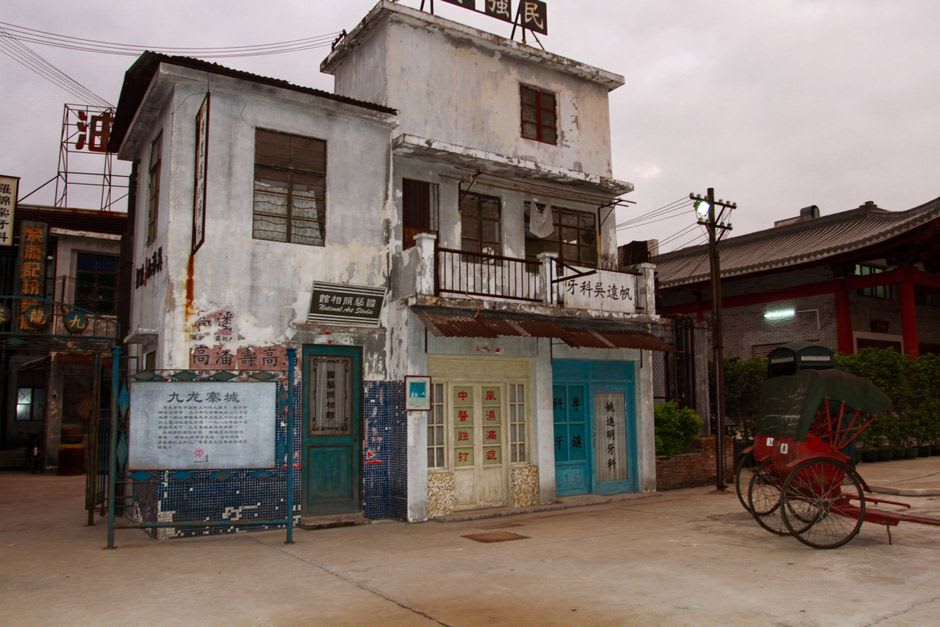
Hengchun also has a minor claim to fame as the setting of the Taiwanese film Cape No. 7, and a handful of shopfronts still nod to it, but the appeal here isn’t nostalgia for a movie. It’s a working town that happens to still be walled.
When to go: Late afternoon into early evening, when the day’s heat breaks and the market stalls near the gates are busiest. It pairs naturally with a Kenting or Eluanbi day trip since it sits directly on the route south.
Keep exploring
More from Taiwan
 taiwan
 Houtong
A former coal-mining village on the Pingxi rail line that reinvented itself as a cat sanctuary, where felines outnumber residents and roam freely over old mining tracks.
Explore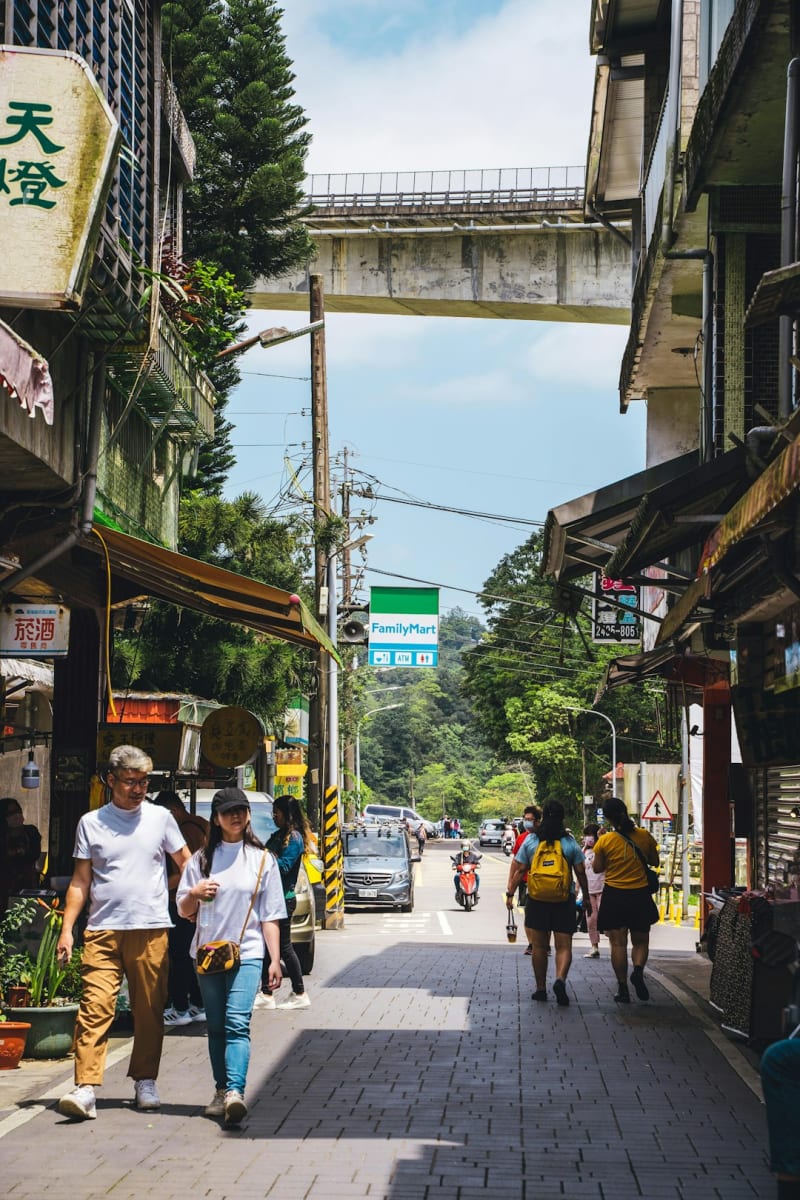 taiwan
 Hsinchu
Taiwan's Silicon Valley by day and a walled Qing-dynasty city by night, split evenly between chip fabs and centuries-old temple lanes.
Explore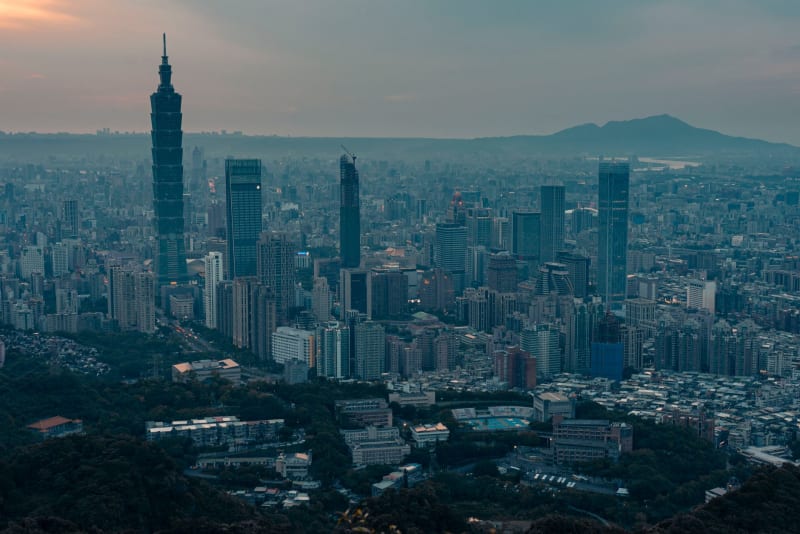 taiwan
 Hualien
A Pacific-coast city where marble dust drifts through the market air and the mountains fall straight into the ocean just north of town.
Explore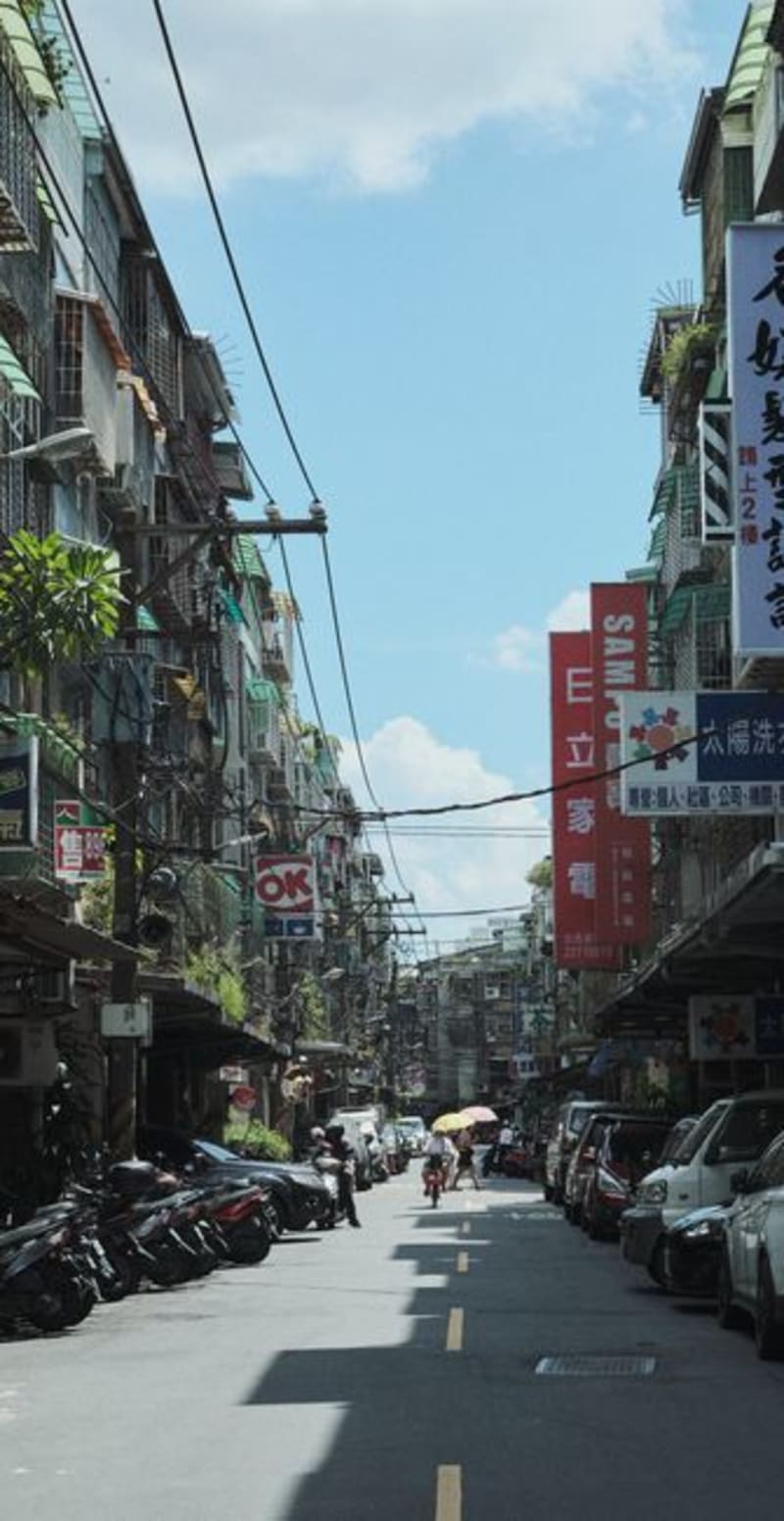 taiwan
 Jialeshui
A wind-carved rock coastline and Taiwan's most consistent surf break, tucked on the Pacific side of the Hengchun Peninsula.
Explore taiwan
 Jibei Island
A sandbar spit off Penghu's northern tip where the water goes three shades of blue before lunch.
Explore taiwan
 Jiji
A small railway town rebuilt after Taiwan's devastating 1999 earthquake, now known for its century-old banyan tree and a station full of quiet resilience.
Explore