Fenqihu
"Fenqihu is what happens when a railway maintenance stop grows old enough to become a destination in its own right."
A wooden railway town clinging to a mountain ridge, famous for lunchboxes eaten off the platform and a forest trail nobody else seems to know about.
We got off the Alishan Forest Railway a stop early, mostly because Lia had read that Fenqihu served the best bento in Taiwan and refused to ride past it. She was right to insist. The town exists at 1,400 meters because a Japanese logging railway needed somewhere for the steam engines to take on water and coal, and a hundred years later that accident of infrastructure is still the whole reason to come.
The Old Street
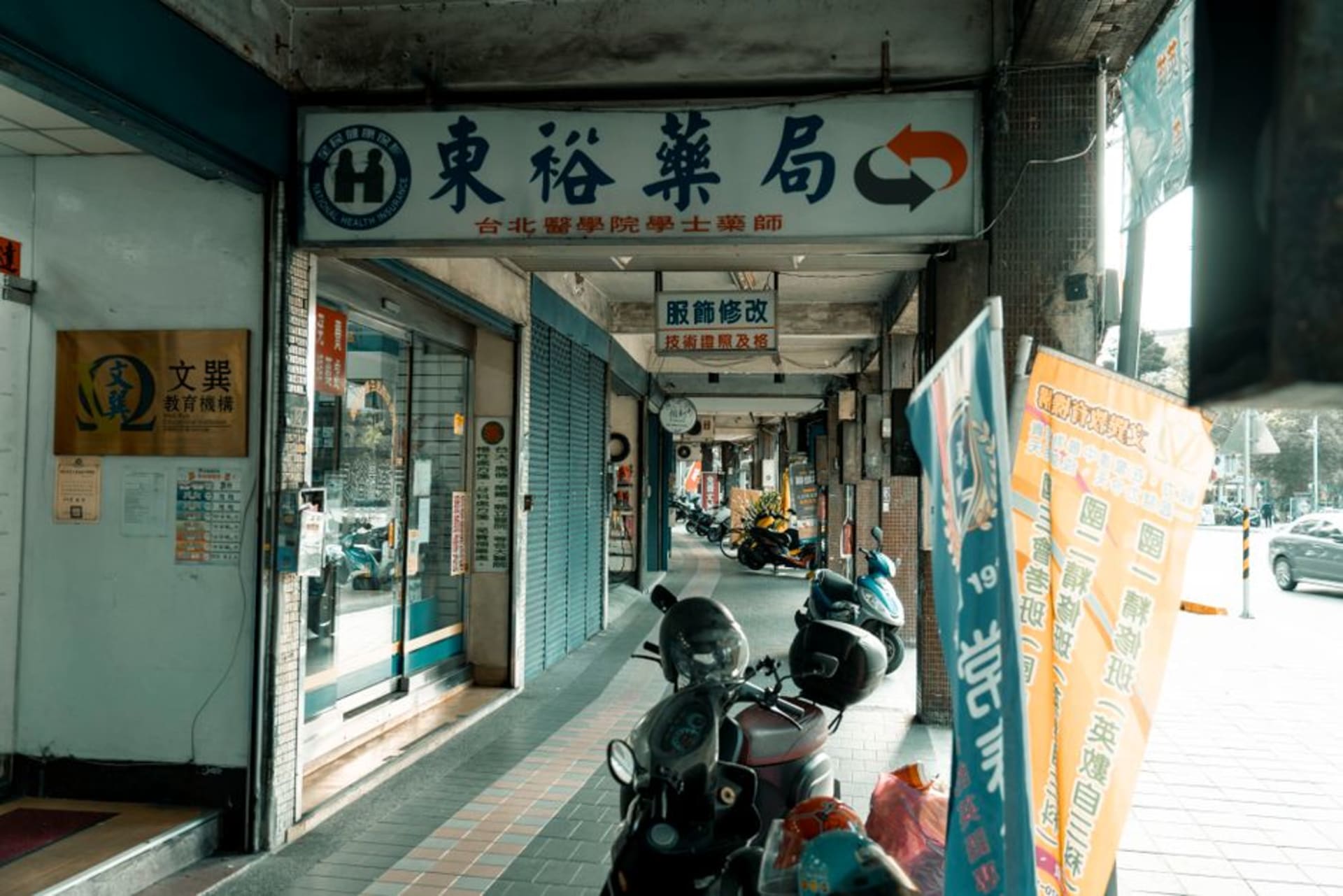
Fenqihu’s old street is barely two hundred meters of wooden storefronts, but it’s dense with the kind of small commerce that makes a place feel lived-in rather than curated — smoked sausage stalls, a shop selling nothing but pickled bamboo shoots, an elderly woman frying scallion pancakes on a flat-top she’s clearly used for decades. The lunchbox culture here is genuinely its own institution: railway workers needed hot meals on long mountain routes, so vendors started packing rice, braised pork, a boiled egg, and pickled vegetables into wooden boxes that could survive a jolting train ride. We ate ours sitting on the platform steps, watching a diesel railcar idle in the yard, and it was one of the better cheap meals either of us has had anywhere in Asia.
Into the Cypress
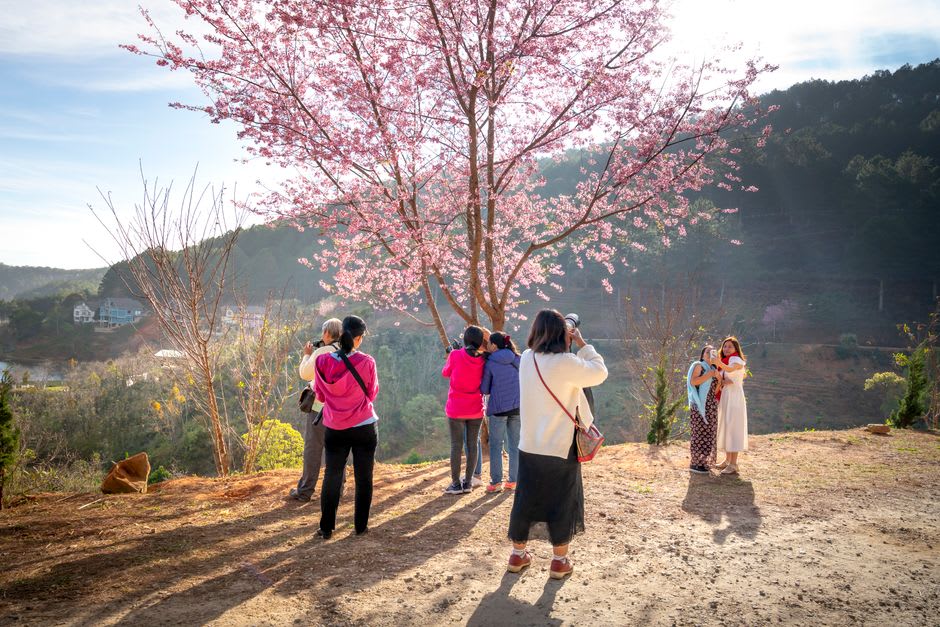
What surprised me was how quickly the town gives way to forest. A ten-minute walk from the old street puts you on a boardwalk trail through a stand of red cypress and cedar, past the rotting stump of a “sacred tree” that toppled in a 1998 typhoon and has simply been left where it fell, moss climbing over the wound. The air at that altitude has a mineral coldness to it even in October, and the trail sees a fraction of the foot traffic that the main Alishan scenic area gets. We had twenty minutes of total silence at one bend, just condensation dripping off needles, before a group of Taiwanese hikers came around the corner.

There’s also a small train museum near the station with a retired steam locomotive, rusted but dignified, and a viewing platform that looks out over ridgelines stacked in gray-blue layers toward the horizon. We stayed the night in one of the old wooden guesthouses, woke to fog pressed against the window, and caught the first railcar down the mountain still finishing our tea.
When to go: October through December for clear mountain air and the best chance of catching the sea of clouds from nearby viewpoints. The town gets cold at night year-round — pack a real layer even in summer.