Dongyin Island
"Dongyin is as far from anywhere as Taiwan gets, and it felt like it the whole time I was there."
The northernmost inhabited point of Taiwan's territory, a windswept Matsu outcrop with a century-old lighthouse and granite cliffs dropping into open sea.
Dongyin sits at the far northern edge of Matsu, connected to its twin island Xiyin by a causeway, and getting there from Beigan involves either a several-hour ferry or a short charter flight depending on the week’s weather — a detail that should tell you most of what you need to know about how remote this place feels once you arrive.
The Lighthouse at the Edge
Dongyong Lighthouse, built by the British in 1904 to guide ships through what was then a busy trade corridor, stands on a grassy headland with granite cliffs falling almost sheer into the sea on either side. I walked out to it in wind strong enough to make conversation difficult, past a small fog signal station and a cluster of low support buildings, and stood at the railing looking down at waves breaking against rock a hundred meters below. It’s one of the more dramatic lighthouse settings I’ve seen anywhere, understated in the way British colonial infrastructure tends to be — utilitarian, whitewashed, built to last rather than to impress, and impressive precisely because of that.
Tunnels Cut Into the Front Line
Dongyin’s military architecture rivals Kinmen’s in scale if not in fame — the island was a genuine front-line position for decades, and the tunnel network built into its granite includes gun emplacements still aimed out to sea and a warren of underground barracks partially open to visitors. I ducked into one of the accessible sections near Anfu Village with a flashlight borrowed from my guesthouse, following a damp corridor that opened unexpectedly onto a gun position with a clear firing line straight out over open water — a jarring transition from claustrophobic tunnel to enormous, wind-battered horizon.
The Loneliest Beautiful Place
What struck me most about Dongyin wasn’t any single site but the general sense of being somewhere genuinely at the edge of things — few visitors, fewer facilities, wind that never really stops, and a permanent population that has shrunk for decades as young people leave for Taipei or Kaohsiung. Lia and I ate dinner one night at what was essentially the only open restaurant in the village, a family-run place serving a set menu of whatever the boat had brought in that morning, and the owner sat with us for twenty minutes afterward just to talk, visibly pleased that anyone had come at all.
When to go: May through September for the calmest crossings and best chance of the ferry actually running on schedule. Build in an extra day of slack — fog and wind cancellations here are more common than almost anywhere else in Taiwan.
Keep exploring
More from Taiwan
 taiwan
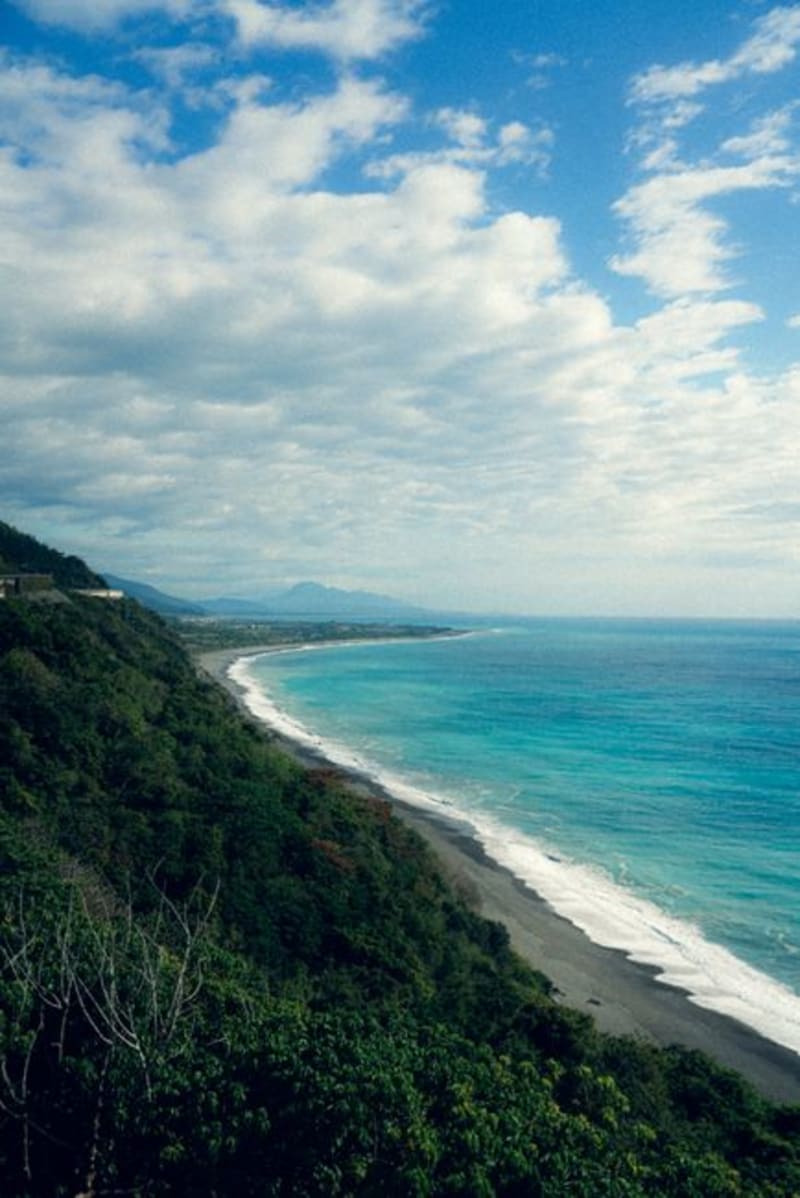
 Dulan
A former sugar-refinery town turned surf and artist enclave on the Taitung coast, where Amis indigenous culture and a slow-motion counterculture scene share the same few streets.
Explore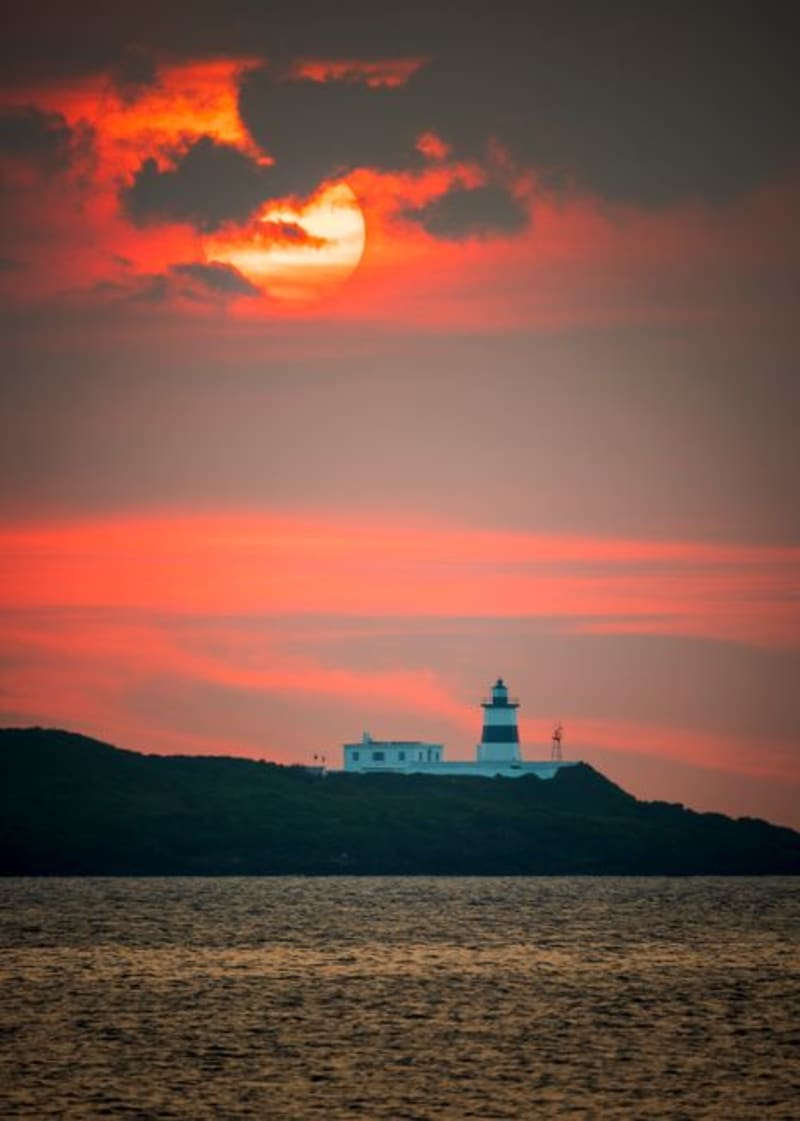 taiwan
 Eluanbi Lighthouse
Taiwan's southernmost point, a fortified white lighthouse standing where the Pacific meets the Taiwan Strait and the Bashi Channel.
Explore taiwan
 Farglory Ocean Park
An oceanfront theme park and aquarium wedged between the mountains and the Pacific north of Hualien, equal parts sincere marine education and unapologetic kitsch.
Explore taiwan
 Fengyuan
Taichung's unglamorous inland district, famous for a night market of sun cakes and a covered arcade nobody outside the region seems to know about.
Explore taiwan
 Fenqihu
A wooden railway town clinging to a mountain ridge, famous for lunchboxes eaten off the platform and a forest trail nobody else seems to know about.
Explore taiwan
 Fo Guang Shan
One of Taiwan's largest Buddhist monasteries, its hillside museum and Buddha statue rising above the countryside outside Kaohsiung.
Explore