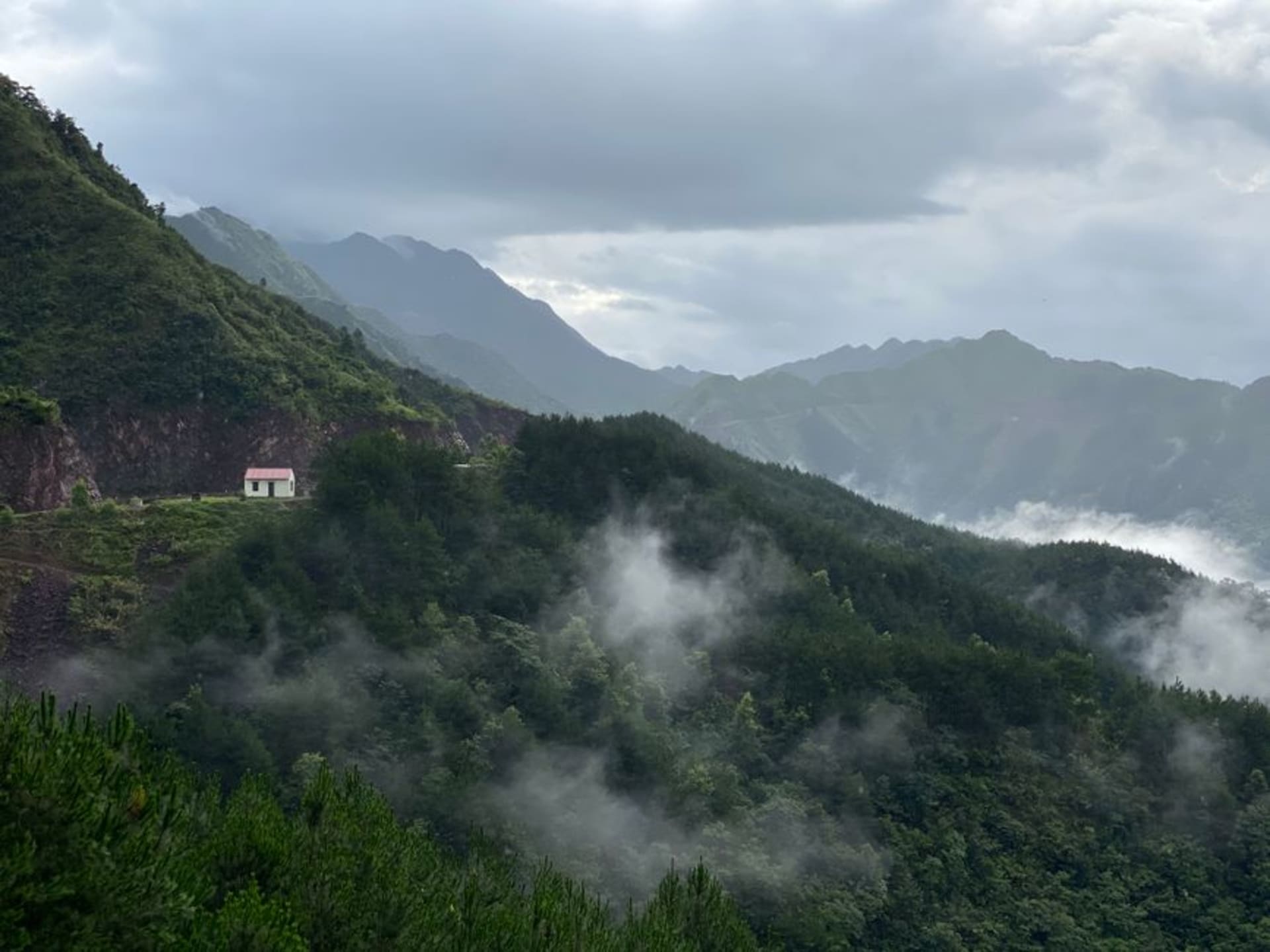
Daxi
"Every stall on Heping Old Street sells the same dry tofu. Every stall insists theirs is the original."
A river-trade town outside Taoyuan where baroque shophouses, dry tofu stalls, and a former presidential retreat sit along the old banks of the Dahan River.
We got into an argument with a tofu vendor in Daxi, which is not something I expected to write in a travel post, but it happened and I stand by our side of it. Lia had asked, innocently, which shop actually invented Daxi’s famous dried tofu — a firm, deeply seasoned five-spice tofu the town is known for across Taiwan — and the woman behind the counter laughed so hard she had to put down her tongs. “Everyone says they invented it,” she said. “Nobody agrees. Just eat.” We ate. It was excellent, and we never did settle the historical question.
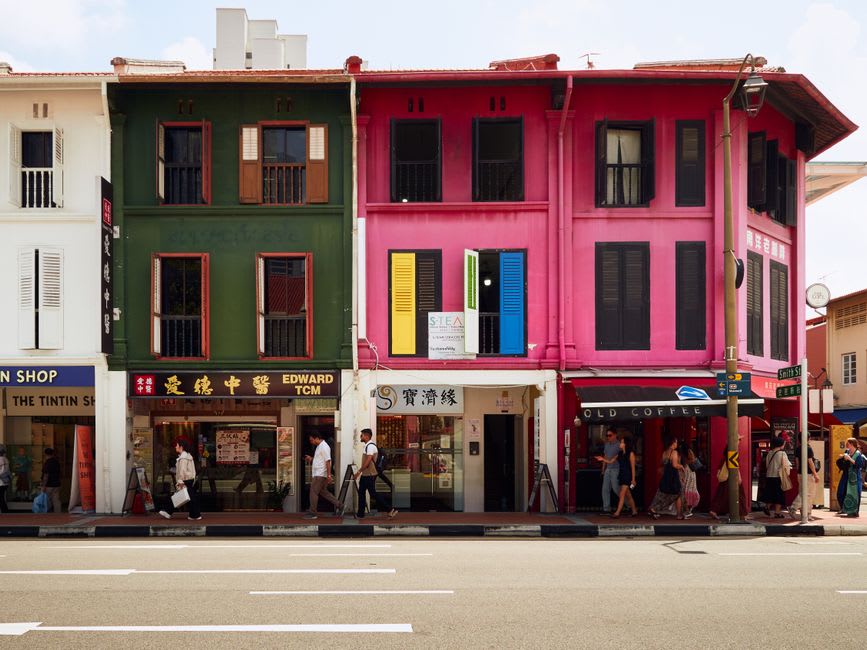
Heping Old Street’s Quiet Grandeur
Daxi sits inland from Taoyuan on a bluff above the Dahan River, and its old street, Heping Road, was built by merchants who grew wealthy trading camphor and tea downriver to Taipei in the late 1800s. The facades here are baroque in the same colonial-era style as Sanxia’s, but Daxi’s feel less restored, a little more weathered, with fewer tour groups and more actual residents sweeping their own front steps. We wandered without much of a plan, past woodworking shops — Daxi is still a serious furniture-making town — and a shop selling nothing but variations on the dried tofu, cut into cubes, strips, and skewers, some smoked, some five-spice, one alarmingly spicy version that made Lia drink an entire bottle of water in under a minute.
The Bridge and the Cih Hu Mausoleum
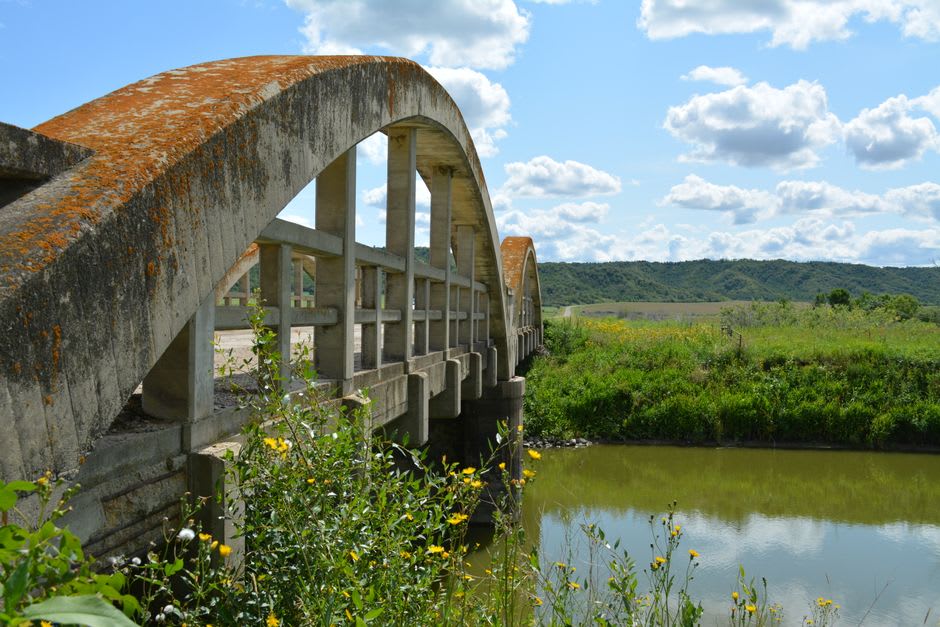
Below the old town, the Daxi Bridge arches across the Dahan River in a shape locals compare to a rainbow, and from the riverside park you can watch it against the green hills opposite — a good spot to sit with a bag of tofu skewers and do nothing for twenty minutes, which we did. A short drive further out is Cihhu, the mausoleum and former retreat of Chiang Kai-shek, an odd, slightly eerie complex of memorial halls and manicured gardens dotted with dozens of his statues, relocated here over the decades from around the island as public sentiment shifted. It is not a cheerful stop, but it is a strange, honest one — Taiwan working through its own complicated twentieth century in bronze and hedge trimming.
When to go: October through December offers the clearest river views and cooler walking weather. Visit on a weekday if possible — weekends bring day-trippers from Taipei and the old street’s narrow lane gets genuinely crowded by early afternoon.