Dajia
"I have never seen that many people move with that much collective purpose for a goddess made of wood."
A coastal Taichung town whose Mazu temple pilgrimage draws millions of walkers each spring, and whose fields grow Taiwan's most prized rice.
We timed our visit to Dajia badly and well at the same time — badly, because we hadn’t realized the Mazu pilgrimage was underway and the town was operating at ten times its normal density; well, because it meant we stumbled into one of the largest religious processions we have ever witnessed, entirely by accident.
The Pilgrimage That Moves a Region
Jenn Lann Temple’s Mazu statue leaves Dajia every spring on a nine-day, roughly 340-kilometer round-trip pilgrimage through central Taiwan, carried in a palanquin followed by literally tens of thousands of devotees on foot, with firecrackers detonating almost continuously along the route and food stalls set up by strangers offering free meals to any pilgrim who stops. We joined the crowd for perhaps two kilometers before peeling off, overwhelmed, ears ringing, having eaten a free bowl of noodles pressed into our hands by someone who refused payment and refused to explain why beyond “it’s for Mazu.”
Jenn Lann Temple Outside Festival Season
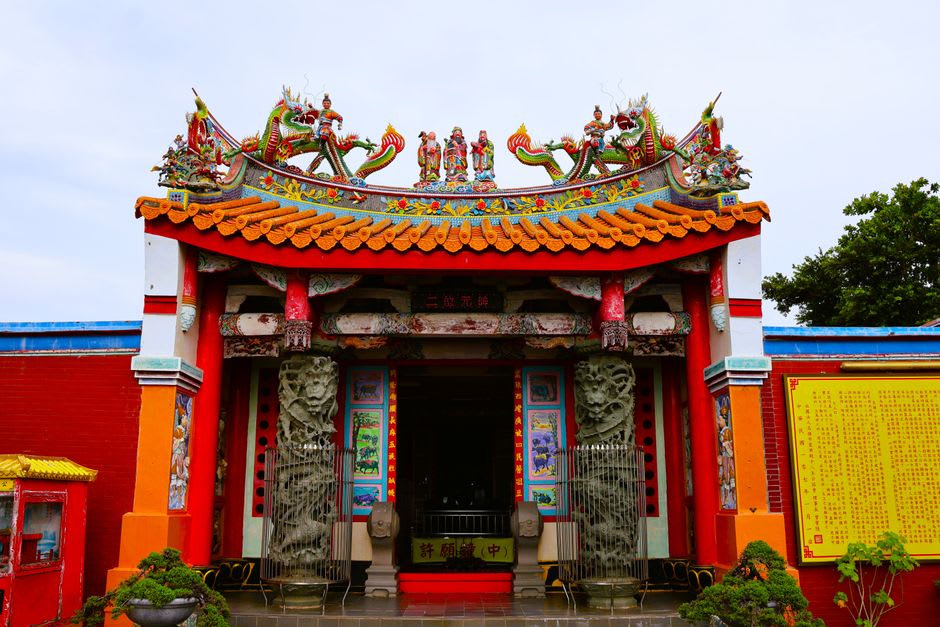
Visiting again on a quieter afternoon a week later gave us a completely different impression — an elaborately gilded temple, its incense burners still going but at a fraction of the intensity, with elderly regulars sitting in the courtyard fanning themselves and chatting rather than processing anywhere at all. The scale of the roof carving and gold leaf work is genuinely worth seeing on its own terms, pilgrimage or not.
Rice Fields and a Very Particular Grain
Beyond the temple, Dajia’s coastal plain grows what many Taiwanese consider the country’s best rice, a short-grain variety prized for its stickiness and slight sweetness, grown in soil enriched by centuries of river silt. We ate a bowl of plain white rice at a roadside stall specifically because the owner insisted we try it unadorned first, “so you understand,” before adding anything to it. She was right to insist.
When to go: Outside the Mazu pilgrimage period (typically March or April by the lunar calendar) for a calmer temple visit, or squarely during it if you want to witness one of Taiwan’s largest religious gatherings up close — just expect crowds, noise, and very little personal space either way.