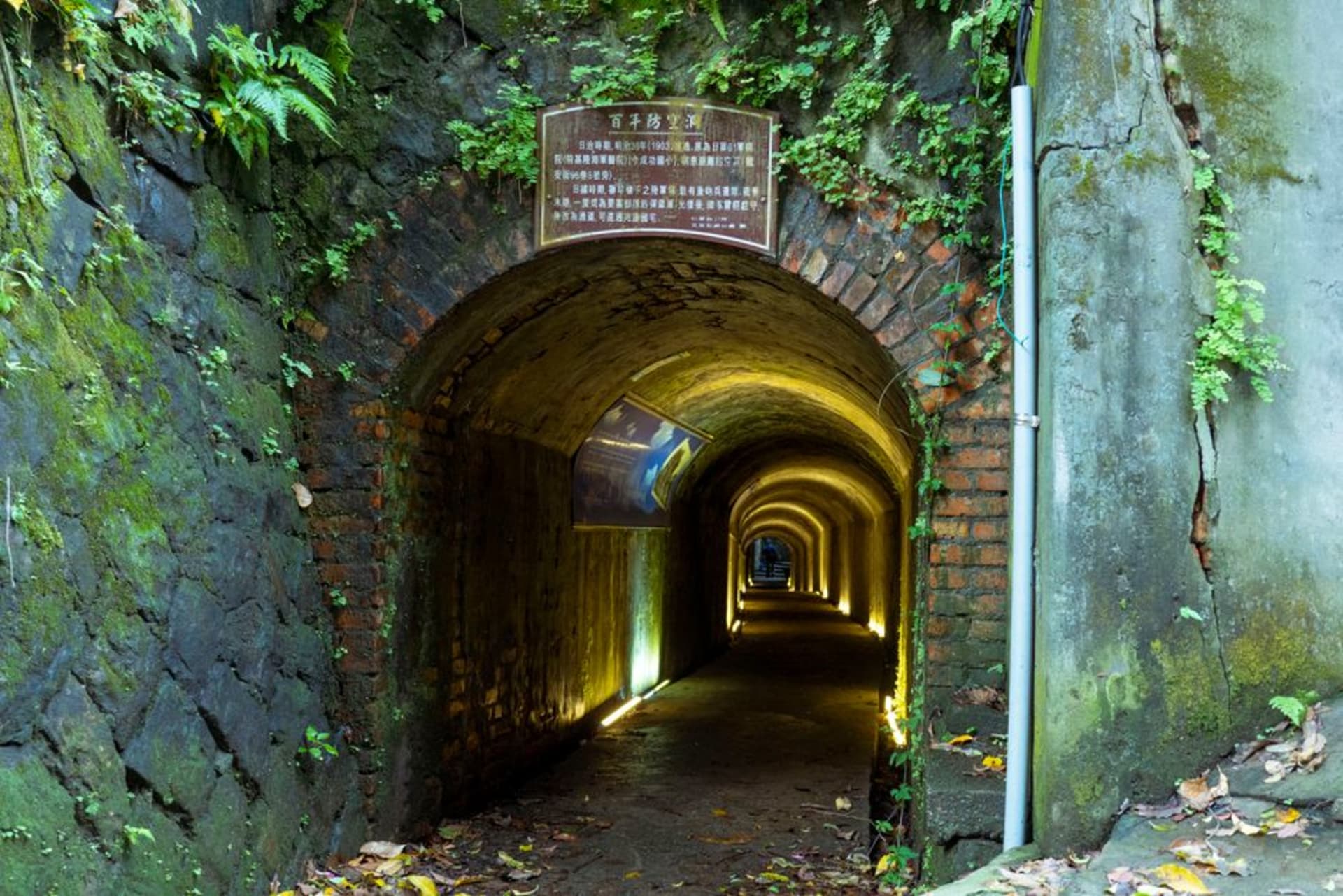
Beihai Tunnel (Nangan)
"I've paddled through a lot of strange places, but never through a Cold War bunker at low tide."
A hand-blasted underground harbor on Matsu's main island, built to hide small military boats and now paddled by kayak at low tide.
Nangan is Matsu’s main island, the administrative center of the whole archipelago, and Beihai Tunnel is its most impressive relic of the decades when this string of rocky islands was a heavily fortified front line facing the Chinese mainland just a few kilometers away.
An H-Shaped Harbor Cut From Rock
The tunnel was excavated between 1968 and 1970 to give the military a hidden, shelled-proof harbor for small landing craft, and its layout — a full H-shape carved through solid granite with docking space along both interior arms — took roughly eight hundred soldiers working in shifts nearly a year to complete using hand tools and dynamite. It’s larger and more architecturally complex than Kinmen’s Zhaishan Tunnel, and visiting at low tide, when the water level drops enough to expose the original stone docking ledges, gives you a much clearer sense of scale.
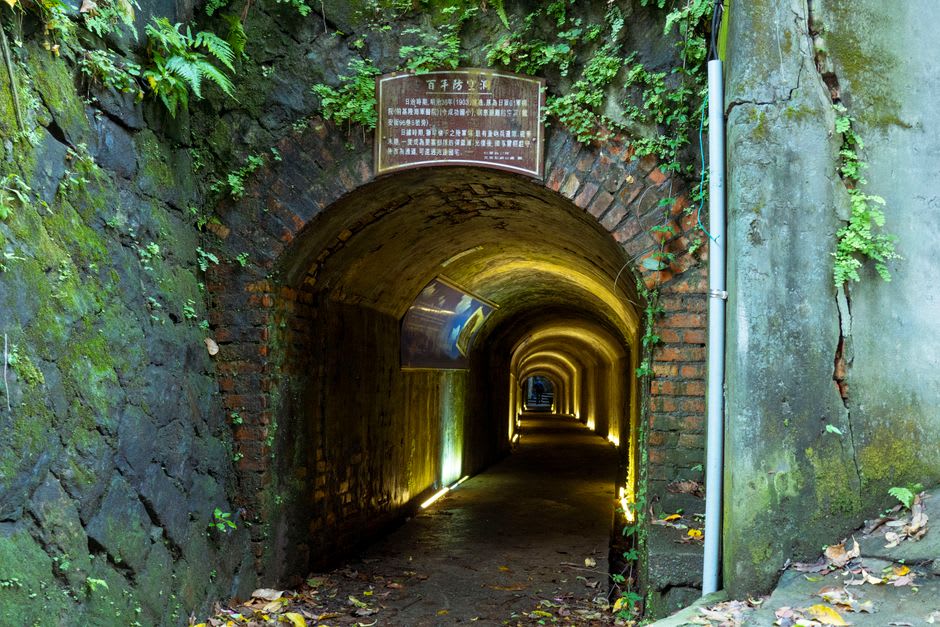
Paddling Through History
At high tide, local operators run guided kayak trips directly into the tunnel, and I did one on my second morning on Nangan — gliding under the low granite ceiling in near total silence, the only sound the drip of water off the paddle and the occasional echo of another group’s voices from somewhere deeper in the tunnel’s second arm. The guide, a Matsu native, cut his engine on a small support boat trailing us and let the group drift for a minute in total quiet, which he said was the actual point of the tour, more than the history.
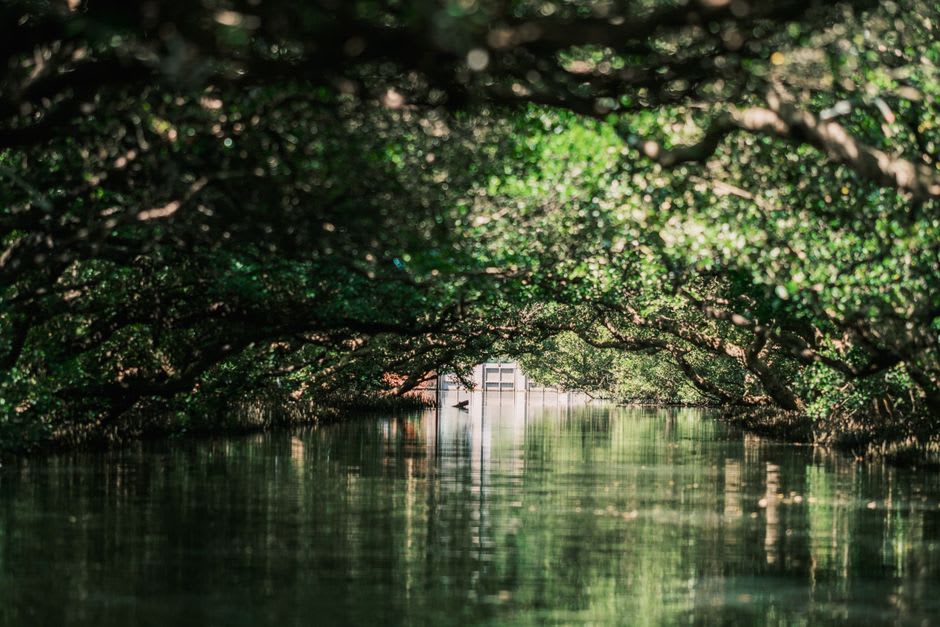
Nangan’s Wider Fortress Landscape
Beihai Tunnel is really just the entry point into Nangan’s broader identity as a fortress island — the whole coastline is dotted with old gun positions, listening posts, and the occasional preserved bunker turned small museum, most a short scooter ride from each other. Lia and I spent an entire day just island-hopping between them on a rented scooter, stopping for grilled fish and Matsu’s distinctive fish noodle soup whenever hunger caught up with us, which on an island this size and this quiet, happened often and without much planning.
When to go: Time your visit around low tide for the clearest view of the tunnel’s stone structure, or high tide if you want to kayak through it — check the daily schedule with a local operator, since both experiences are worthwhile but mutually exclusive on a single visit.