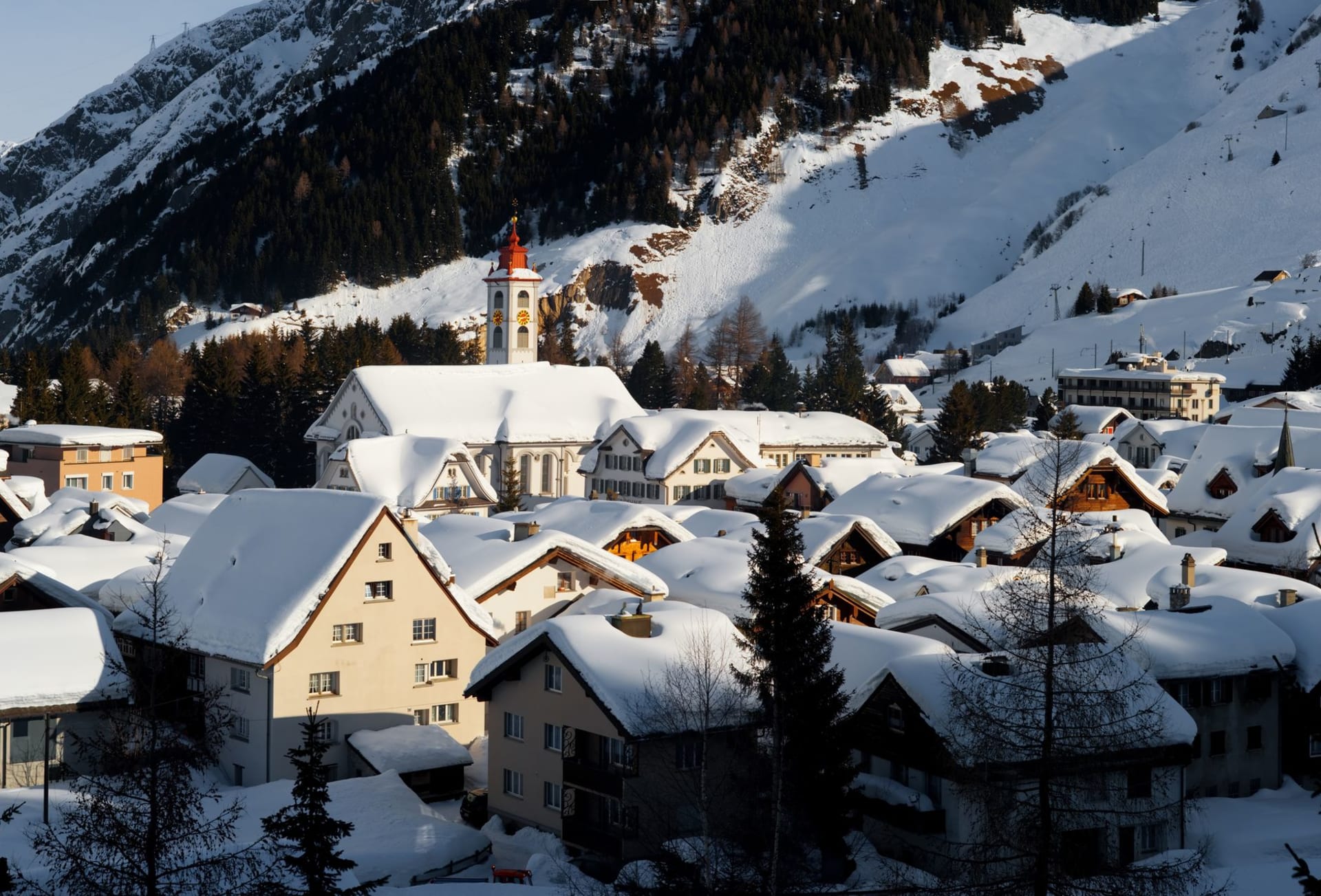
Andermatt
"Four passes, one valley, and a Egyptian billionaire's vision of Switzerland. It works better than it should."
A crossroads village at the center of Switzerland where four major alpine passes meet and where a massive Egyptian-funded ski resort has been grafted onto a genuinely old mountain town.

The Crossroads
Andermatt sits where the St. Gotthard Pass, the Furka Pass, the Oberalp Pass, and the Susten Pass all converge. In the eighteenth century this was one of the most strategically important points in Europe. Napoleon crossed the St. Gotthard here with 35,000 soldiers in 1800. Suvorov fought a Russian campaign through the Schöllenen Gorge just below the village. The town has a specific character that comes from centuries of being a waypoint — there’s a transience to it, a sense that people pass through, that the valley accommodates different intentions without committing to any single one.
The Urseren valley where Andermatt sits is flat-bottomed and wide, which is unusual in this part of the Alps. The river Reuss winds through meadows in summer. The village has a proper old quarter of grey stone houses with heavy wooden doors, a baroque church, and an architecture that predates the ski industry entirely.
Samih Sawiris and the New Andermatt
In 2007, Egyptian billionaire Samih Sawiris announced he would invest in Andermatt’s ski development. People were skeptical. The project took shape slowly — a new resort quarter called Andermatt Swiss Alps, with luxury hotels (the Chedi is the most conspicuous), new gondolas connecting to Sedrun and the Disentis area, and eventually one of the larger ski domains in central Switzerland.
The result is genuinely strange to walk through: a historic Swiss village with this modernist resort architecture appended to one end of it. But the skiing itself is excellent, particularly the Gemsstock at 2,961 meters, which faces north and holds cold powder longer than almost anywhere in Switzerland. The Gemsstock is not a beginner mountain. The upper runs are steep and exposed and they are serious.
I skied it on a February morning after thirty centimeters of fresh snow, took the two-stage gondola to the top, and then stood in wind-blasted silence at the summit cairn looking south toward the Gotthard range. The run down the north face was fast and required more concentration than I am usually willing to apply before noon.
The Passes in Summer
In summer, Andermatt becomes a different kind of crossroads — for cyclists and motorcyclists, who come from across Europe to ride the passes. The Furka in particular is famous, not least because the car chase in the James Bond film Goldfinger was filmed here in 1964. The road switchbacks in long arcs up to 2,429 meters, and from the top you look west toward the Rhône Glacier.
The Glacier Express tourist train passes through Andermatt on its route between Zermatt and St. Moritz, crossing the Oberalp Pass at 2,033 meters. The segment above Andermatt, climbing through narrow gorges and over the pass on an open plateau, is the best stretch of the whole route. I’d recommend taking just this section rather than the full eight-hour journey if your time is limited.
Eating Simply in the Old Village
The Chedi has restaurants that charge Chedi prices. The old village has a few places that don’t. The Restaurant Stern on the main square does rösti that comes in a cast iron pan and takes about twenty minutes to arrive, which is the correct amount of time. A small shop on the road toward the Gotthard tunnel sells Gotthard honey and local cheese. I bought both and ate them in the car with bread from the bakery two doors down. It was a completely satisfying lunch that cost approximately nine francs.
When to go: Mid-January through March for the Gemsstock and the best powder conditions — the north-facing slopes are reliable for dry snow well into spring. June through September for pass cycling and hiking, particularly after the Furka and Susten open (usually mid-June). The Furka is spectacular in July when the glacier is at its most accessible. Avoid the passes in October and early November when snow closures begin but ski season hasn’t yet started.
Keep exploring
More from Swiss Alps
 swiss-alps
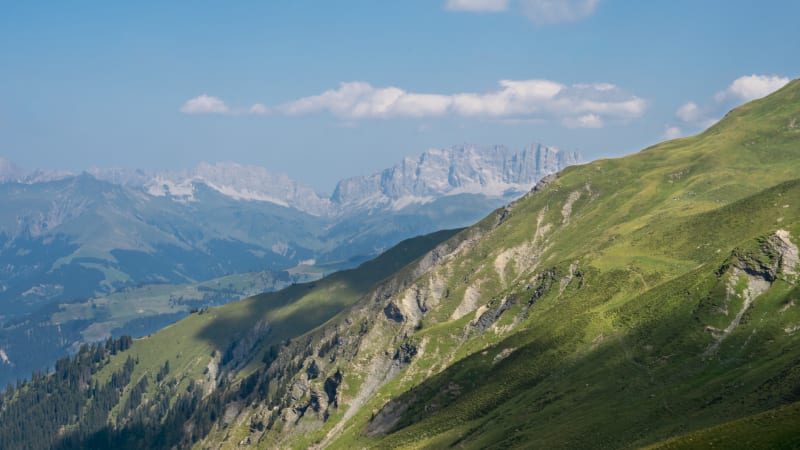
 Arosa
A high Graubünden resort in a closed mountain valley with no through road, where the end of the road means the beginning of something quieter and more considered than most Swiss resorts bother to be.
Explore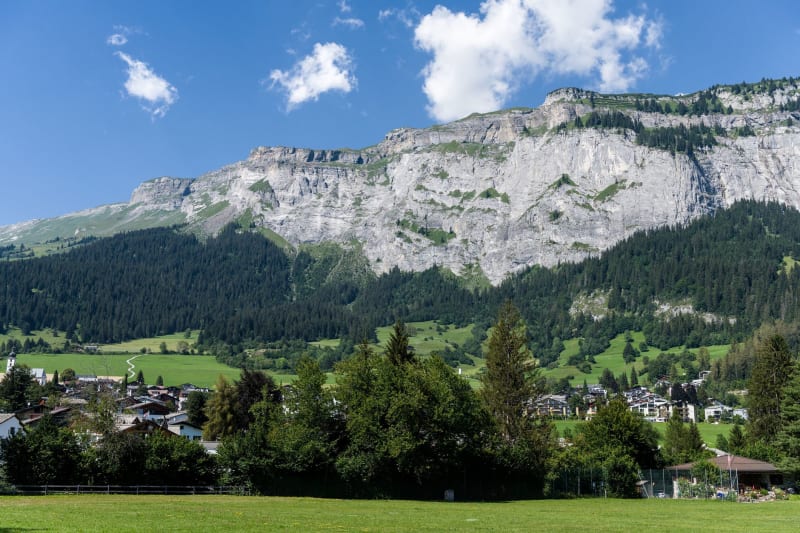 swiss-alps
 Champéry
A Valais village of painted wooden chalets at the foot of the Dents du Midi that serves as the Swiss anchor of the Portes du Soleil, one of the largest cross-border ski domains in the world.
Explore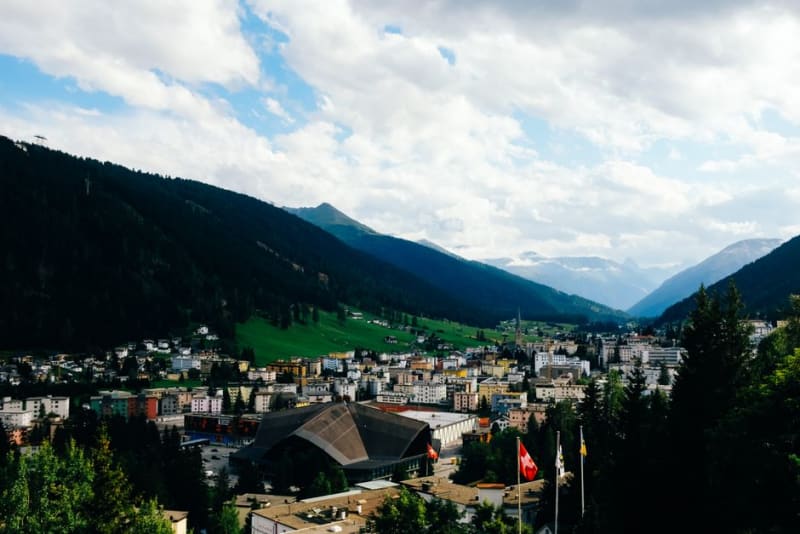 swiss-alps
 Davos
A high-altitude town in the Graubünden Alps, best known for hosting the World Economic Forum every January.
Explore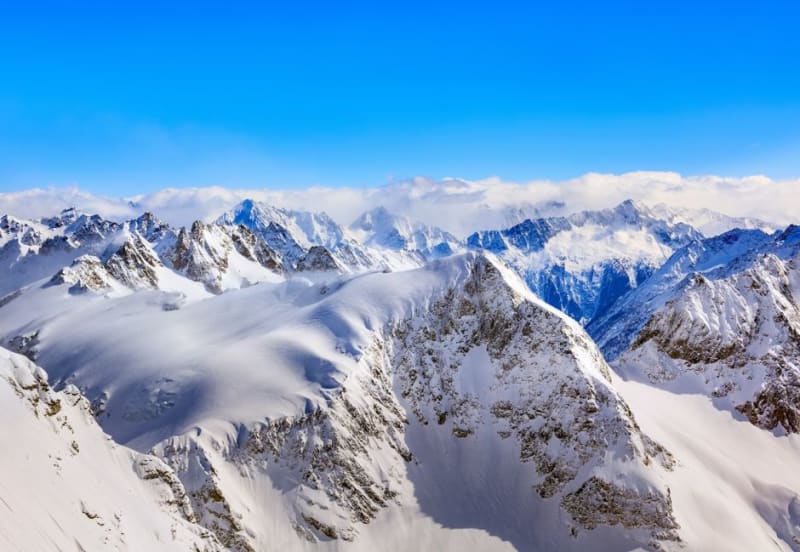 swiss-alps
 Engelberg
A monastery village beneath Mount Titlis, home to Switzerland's highest-altitude glacier cave carved into the ice.
Explore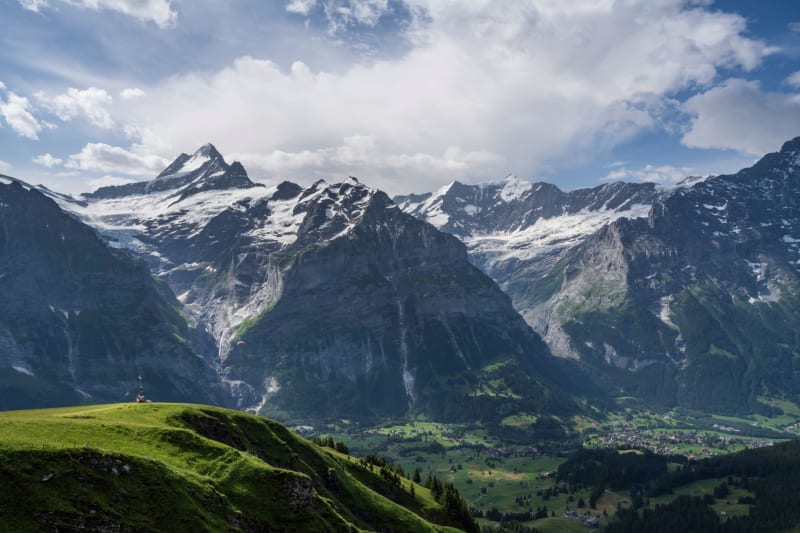 swiss-alps
 Grindelwald
A deep valley village carved under the north face of the Eiger, where the rock wall above town is so vast it changes the quality of the afternoon light.
Explore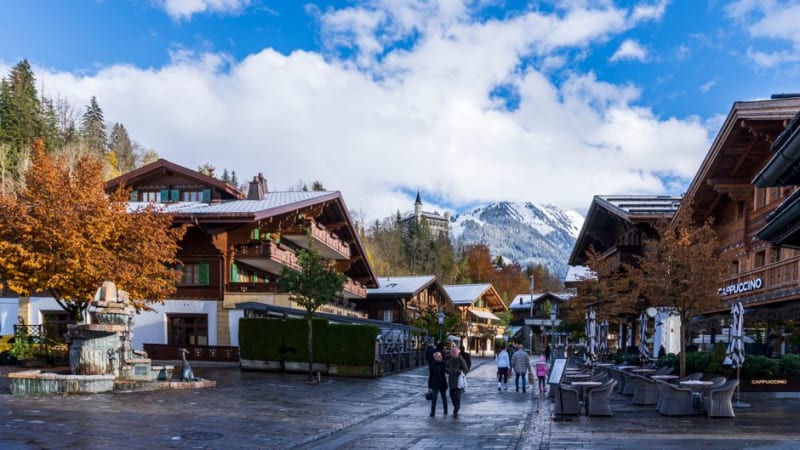 swiss-alps
 Gstaad
A chalet-studded resort village in the Bernese Oberland, favored by European aristocracy and celebrities since the 1800s.
Explore