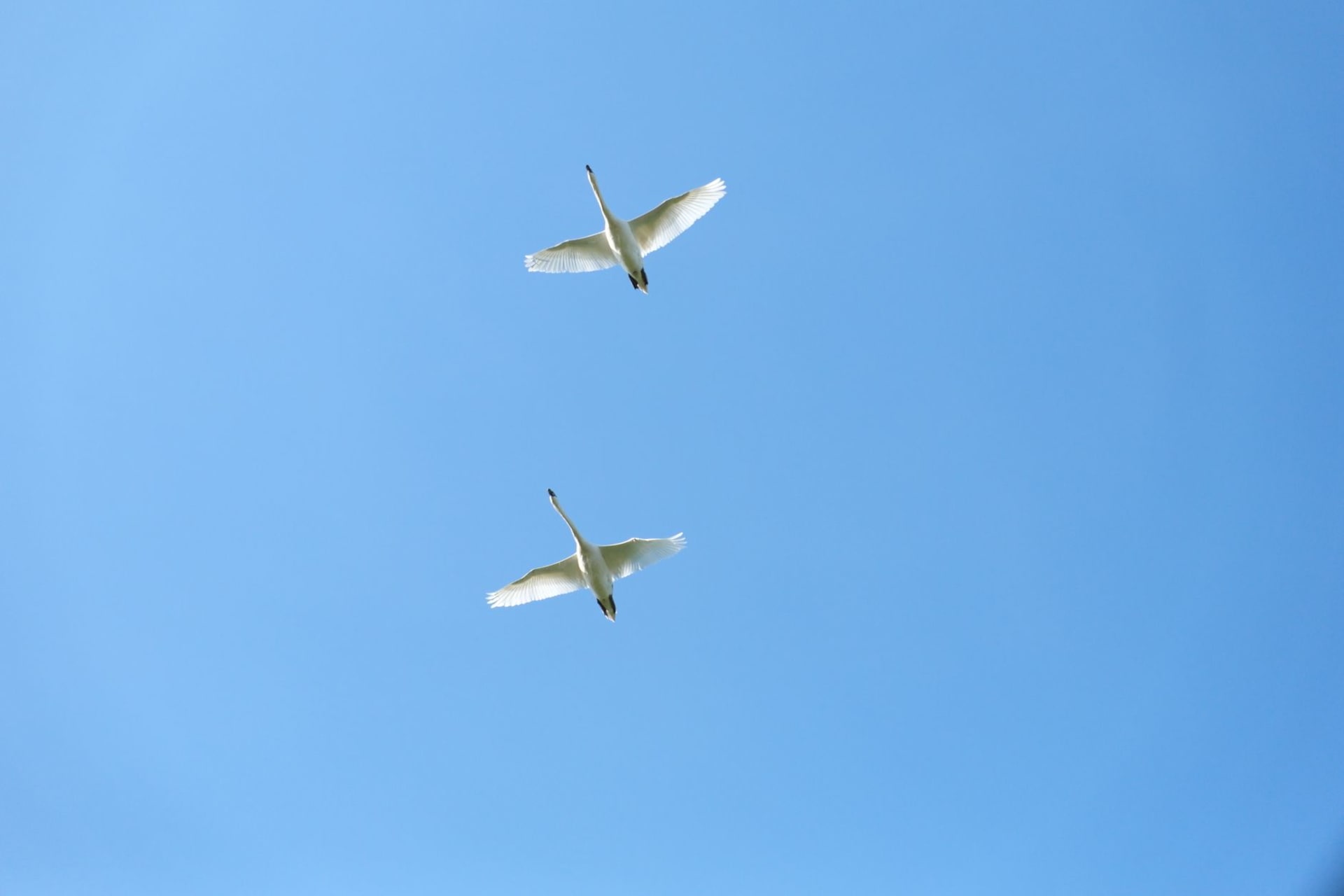
The Sipaliwini Savanna shouldn’t exist. Geographically, ecologically, the southern interior of Suriname is supposed to be continuous Amazonian rainforest — the same dense canopy that covers everything from Brownsberg to the Brazilian border. Instead, at Suriname’s southern extreme, the forest breaks open into a series of open grass and sedge savannas on ancient sandstone plateaus, with only scattered trees, huge termite mounds, and an unobstructed view of a sky that feels much larger than elsewhere.
Getting here is not a casual undertaking. The Sipaliwini District has no roads. Access is by light aircraft to a small airstrip, followed by river travel and hiking. This is genuinely extreme-end travel in terms of logistics, and the number of non-Surinamese visitors per year is measured in hundreds rather than thousands.
The Landscape
After several days in jungle interior, the savanna is disorienting in a way I didn’t anticipate. The openness after canopy feels physically different — the light is direct, there’s actual wind, the horizon exists. The grasses are waist-high in places, punctuated by the enormous conical termite mounds that can reach three meters and have been building for decades.
The vegetation gradient at the forest edge is abrupt. You walk through closed forest and then the trees end and you’re in open grassland within a few paces. The transition zone supports its own specific ecology — species that need both the forest edge and the open ground, including several birds found almost nowhere else in Suriname.
The River Sipaliwini
The Sipaliwini River drains the savanna and runs south into Brazil. It is clear-water rather than the tannin-stained brown of most interior rivers — the difference is chemically significant and visually dramatic. Swimming in water that is both cold and completely transparent, able to see every rock and fish and current pattern below you, is an experience that spoils other swimming for some time afterward.
The river supports giant river otters, which have been heavily persecuted elsewhere and survive here partly because of the remoteness. I watched a family group — six individuals, including young ones still learning to fish — work a section of the river for the better part of an afternoon. The adults are over a meter and a half long and fish with an efficiency that makes other predators look amateurish.
Indigenous Territory
The Sipaliwini area is Amerindian territory — specifically, home to Trio communities who have lived in this border region for millennia. The savanna is not empty or natural in the sense of untouched; it has been managed by burning and use by Indigenous peoples across long timescales. The Trio’s relationship to the landscape is practical and detailed in ways that took me some days to begin to perceive.
Any visit to Sipaliwini should be arranged with Indigenous community involvement from the outset. This is not optional or optional-but-recommended — it is the only ethical and legal way to enter this territory.
What the Remoteness Does
There is a specific quality that comes from being three to four days of travel from the nearest hospital, in a place where the satellite phone is the emergency plan. It concentrates attention. Colors get sharper. Small events — a hawk hunting the savanna edge, rain building on the horizon, the smell of the grass in morning sun — register with unusual clarity. I’m not sure this is wisdom so much as a recalibration of what counts as signal and what counts as noise.
When to go: The dry season (February–April or August–November) is essential — the savanna and rivers are impassable during wet season flooding. This is a minimum two-week trip when travel logistics are included. Operators and Indigenous community contacts must be arranged months in advance. This is not a trip that comes together in a week.