Manado
"The fish market at six in the morning is the best thing in this city—which is saying something, because the city is genuinely good."
The City That Faces the Sea
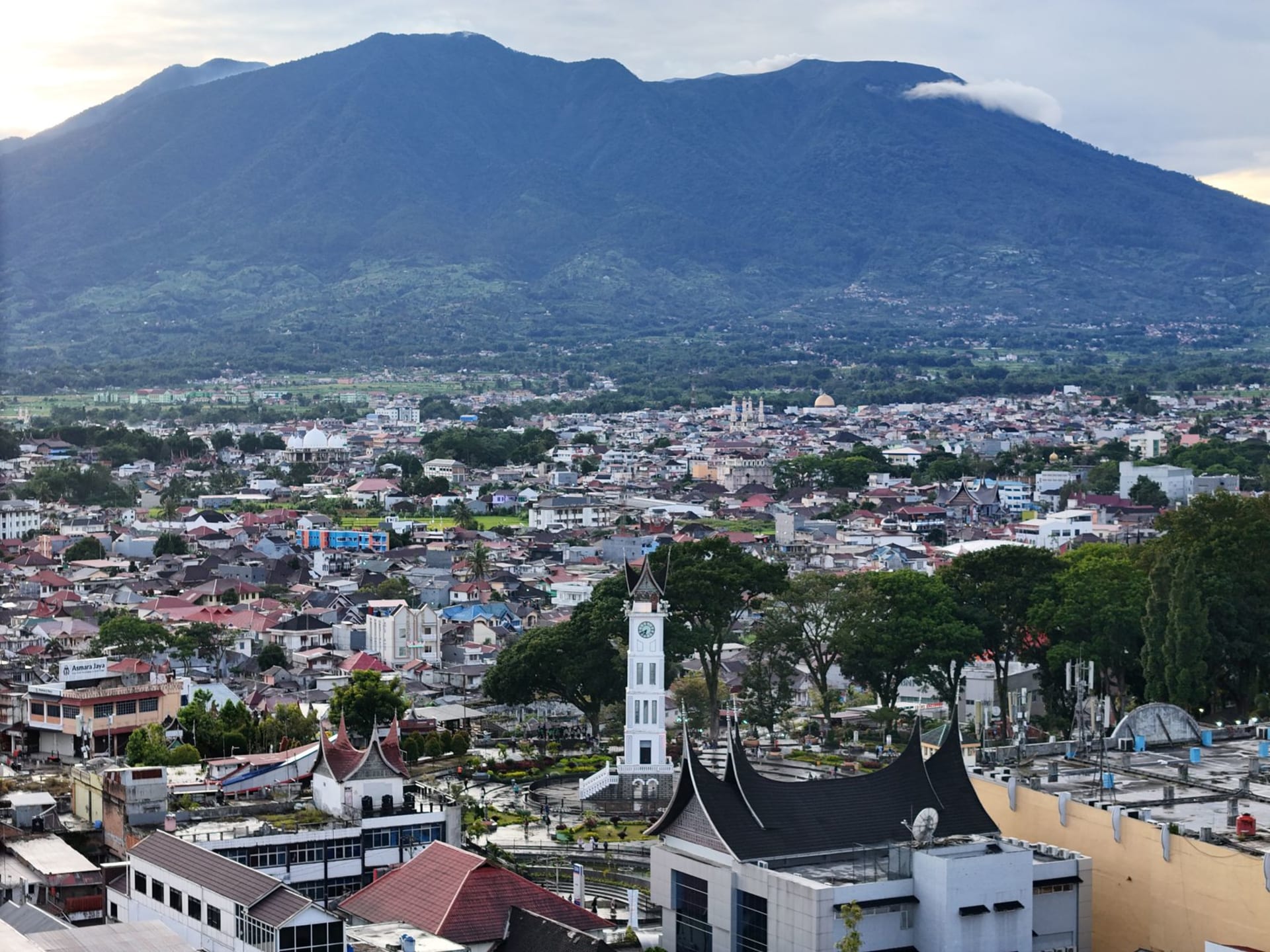
Manado sits at the northern tip of Sulawesi’s arm-like peninsula, with the sea pressing in from three directions and a volcanic hinterland behind it. It’s a city that could have the slightly desperate energy of a gateway town—a place people pass through rather than inhabit—but it doesn’t. The waterfront boulevard fills up in the evenings with families eating corn roasted over charcoal carts, and the harbor at dusk goes through a color progression that makes the fishing boats look theatrical against it. I arrived late, intending to leave early for Bunaken, and stayed an extra two days because the city kept offering things I hadn’t expected to find.
Sam Ratulangi Market at Six A.M.
I’m not typically a market person in the abstract—too much noise, too much to look at before coffee. But Sam Ratulangi Market at six in the morning operates at a pace that rewards early arrival. The fish section covers an area large enough to get disoriented in, stacked with species I couldn’t name in any language, the ice already going cloudy in the morning heat. The sellers here are predominantly Minahasa and Sangirese women who bring a transactional efficiency to the whole thing that I found clarifying rather than exhausting. Breakfast from the stalls around the market edge—cakalang fufu, the smoked skipjack that North Sulawesi is famous for, served with rice and chili that arrives in layers—costs almost nothing and tastes like the best possible version of the thing.
Megamix of Church and Night Market
North Sulawesi has a significant Christian population, the legacy of Dutch Reformed missions that took hold in the Minahasa highlands in the nineteenth century. The result in Manado is a city that operates differently than most Indonesian urban centers—Sunday is genuinely quiet in ways that Jakarta or Makassar aren’t, churches appear in numbers that match or exceed mosques in certain neighborhoods, and Christmas decorations go up in October with the same unselfconscious enthusiasm you’d find in a provincial French town. The night market running along Boulevard Road mixes sate, bakso, and grilled cakalang with Christian pop playing from a speaker someone has balanced next to their cart. The juxtaposition stopped feeling incongruous after the first night.
As a Base for Everything Else
Manado’s operational utility as a dive base is what draws most foreigners here, and that utility is real. Bunaken is thirty minutes by boat. The Lembeh Strait—one of the world’s premier muck diving sites, where critters you’ve never seen in any other ocean appear in absurd variety—is two hours to the east. The Minahasa highlands are an hour’s drive up into a cooler, stranger landscape. As a city in itself, Manado is functional and genuinely pleasant rather than spectacular, and that’s enough when the surrounding sea contains what it contains.
When to go: April through November is the reliable window for diving and travel. Manado’s own climate is warm year-round, but sea conditions governing access to Bunaken and the Lembeh Strait track the monsoon cycle. Manado has an international airport with direct connections to Jakarta, Bali, and Singapore, making it the most accessible entry point into North Sulawesi for travelers arriving from outside Indonesia.