
Besalú
"Cross the bridge into Besalú and you leave the twenty-first century on the other bank."
A medieval bridge, a hidden Jewish ritual bath, and a town so intact it seems to have simply forgotten to change since the twelfth century.

You see the bridge before you see the town, which is the correct order. The Pont Fortificat arcs over the Fluvià river in a series of uneven stone spans, kinked in the middle at a defensive angle that medieval engineers built deliberately to slow down anyone who wasn’t supposed to cross. I parked on the far bank and walked it slowly, the way you’re meant to, watching the river run shallow and green beneath me and the town’s stone walls rise up ahead like they’d grown there rather than been built.
A Capital That Time Left Alone
Besalú isn’t a recreation or a restoration project dressed up for tourists — it’s the real thing, largely untouched since it was the seat of an independent county in the tenth and eleventh centuries, ruled by its own line of counts before being absorbed into the Crown of Aragon. Walking under the Portal de Sa Font and into the old town, I passed beneath stone arcades that have sheltered market stalls for eight hundred years, past the Plaça Llibertat where the porticoed square still does exactly what it always did. The Romanesque church of Sant Pere, with its ambulatory apse, sits in what’s left of a Benedictine monastery founded in the tenth century. None of it feels staged. It feels like the town simply never got around to modernizing, and now that’s its fortune.

The Mikveh Beneath the Street
The detail that stayed with me longest wasn’t the bridge, though — it was the mikveh. Besalú had a significant Jewish community in the Middle Ages, and beneath an unassuming building near the river, archaeologists uncovered a twelfth-century ritual bathhouse, one of the best-preserved of its kind in Europe. You descend a narrow stone staircase into a small vaulted chamber built directly over the water table, so the pool fills naturally with groundwater — exactly as Jewish law requires for a mikveh to be considered valid. Standing down there, cool air rising off the still water, the noise of the town’s tourists a floor above and centuries away, I felt something closer to what I go looking for when I travel: not a monument, but a room where an ordinary, specific human ritual actually happened.

I climbed back up into the afternoon heat and found a table near the bridge, ordered a coffee, and watched the light change on the stone. Besalú is small enough to see properly in two or three hours, but I stayed longer than I needed to, mostly because nothing was pushing me to leave.
When to go: Spring (April–May) and early autumn bring soft light and manageable crowds; the town gets genuinely packed on summer weekends when day-trippers arrive from the Costa Brava.
Keep exploring
More from Spain
 spain
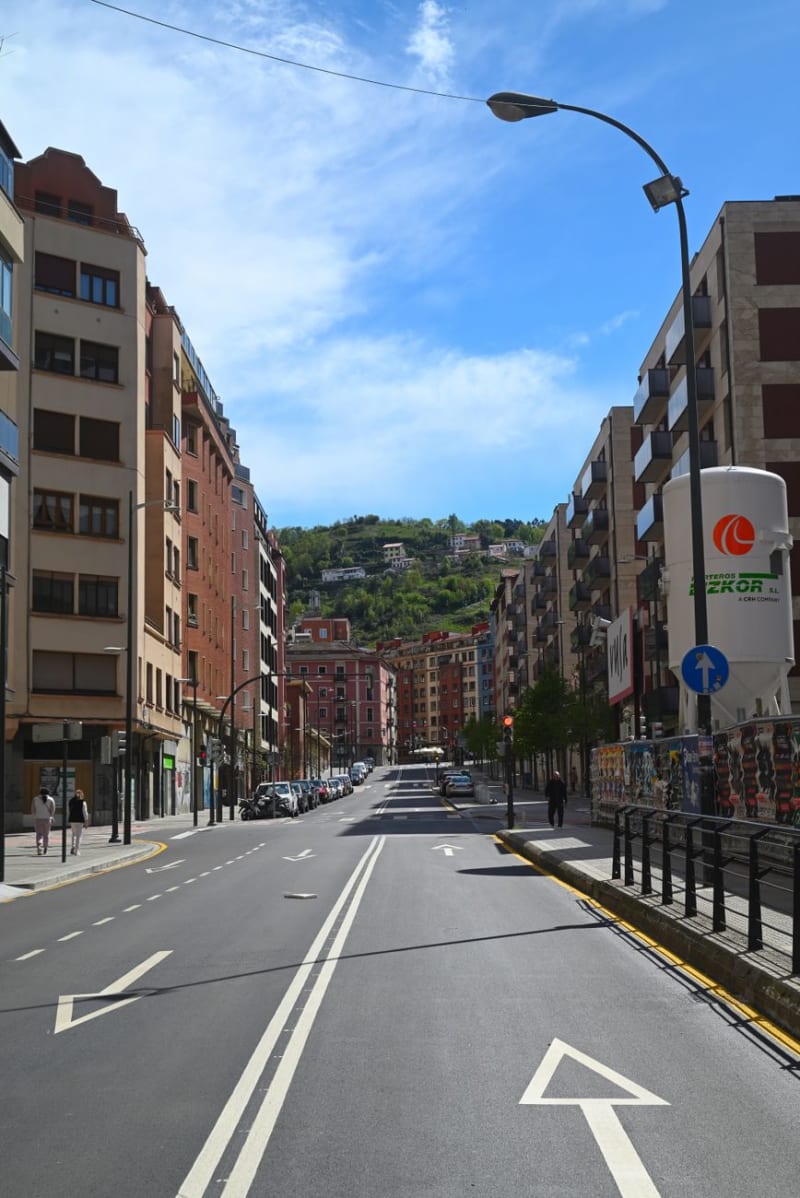
spain Bilbao
The Guggenheim transformed a post-industrial port city into a global art destination — and then Bilbao surprised everyone by having great food too.
Explore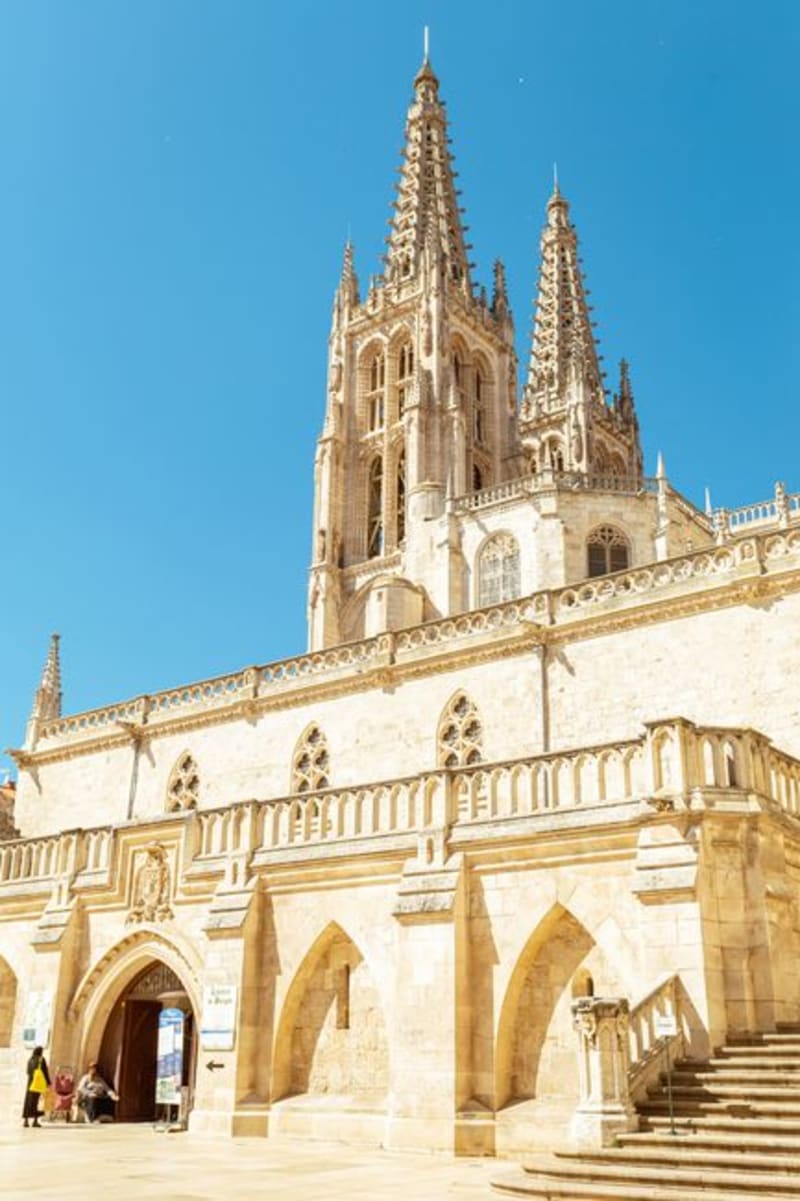 spain
spain Burgos
A city built on a saint's bones and El Cid's legend, where a Gothic cathedral rises out of the Castilian plateau like it's arguing with the sky.
Explore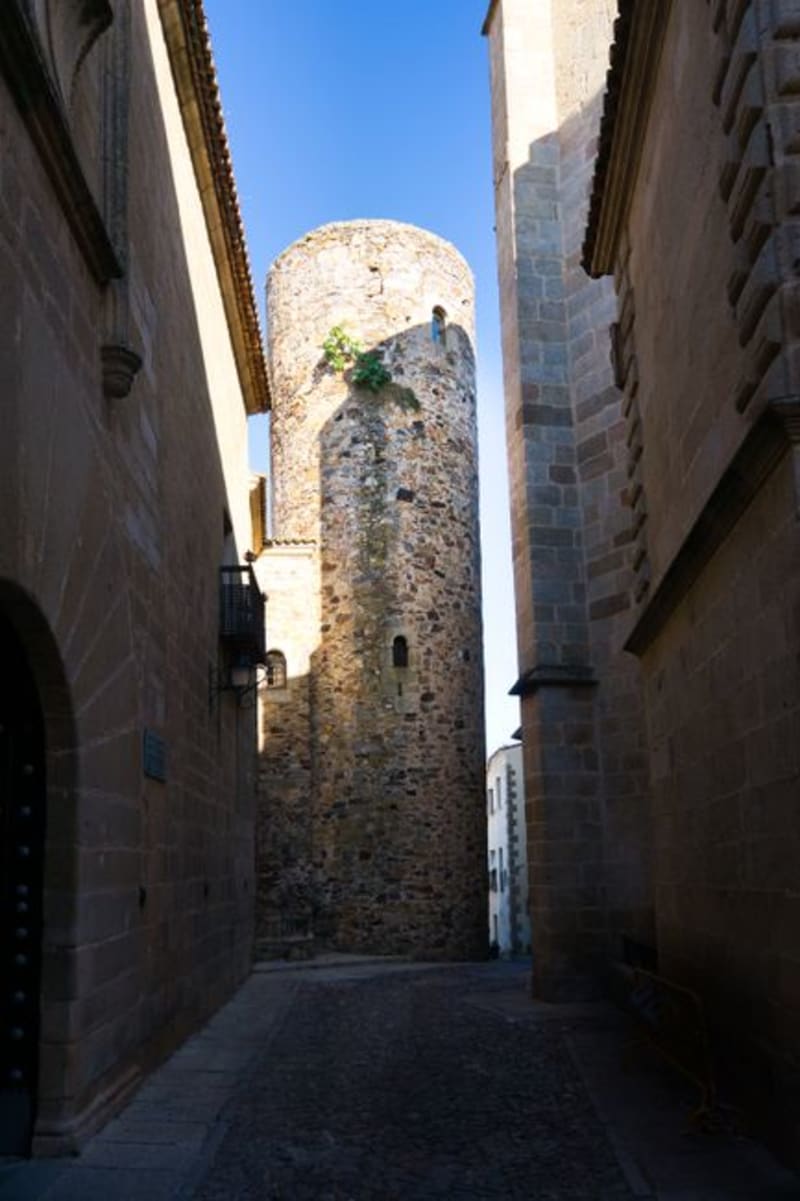 spain
spain Cáceres
A walled Extremaduran city so thick with storks' nests and conquistador palaces that film crews use it as a stand-in for medieval Europe without changing a stone.
Explore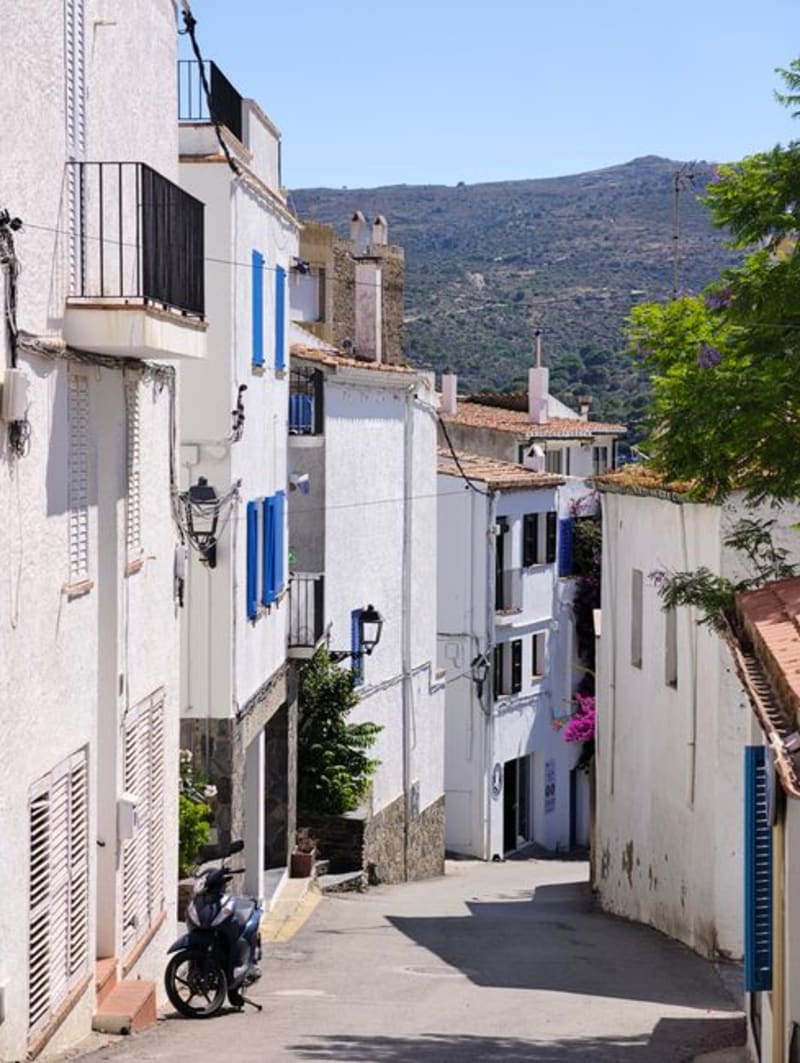 spain
spain Cadaqués
A whitewashed fishing village that seduced Dalí into staying, wedged between the Cap de Creus rocks and a bay so blue it looks retouched.
Explore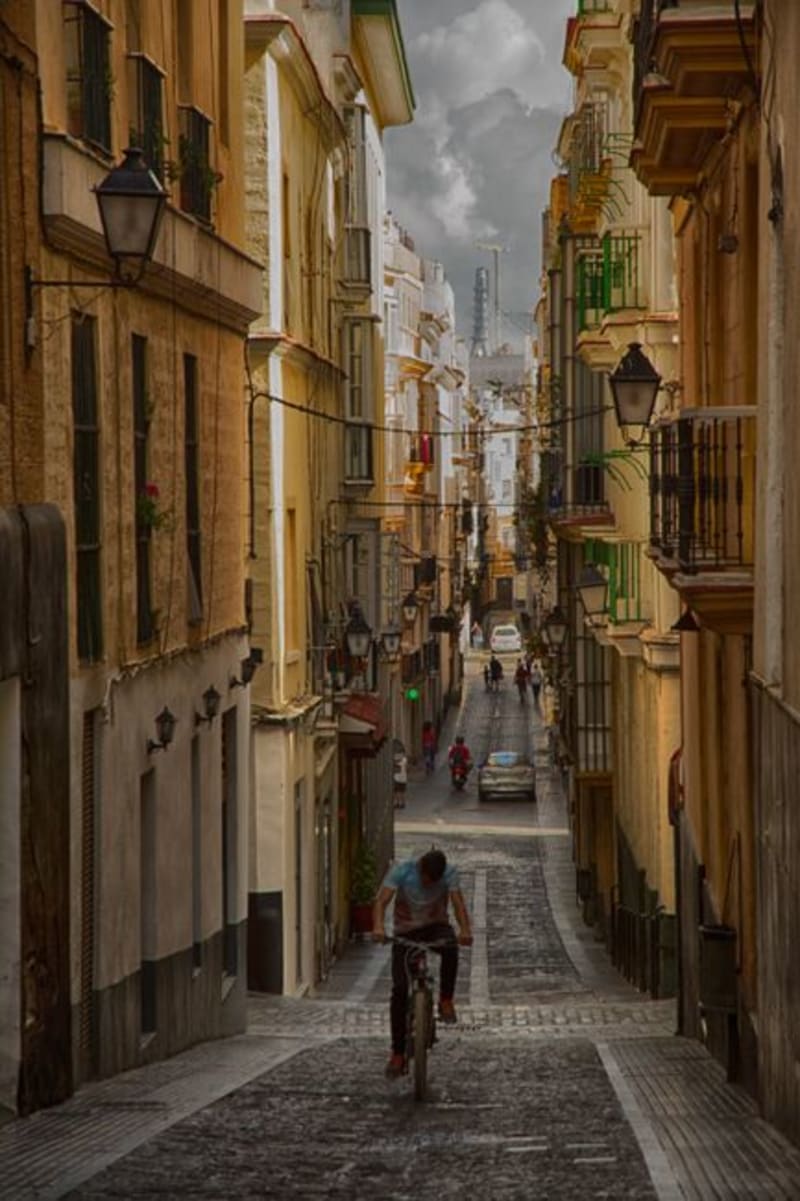 spain
spain Cádiz
The oldest continuously inhabited city in Western Europe sits on a spit of rock in the Atlantic, salt-cracked and unhurried, as if it has already seen every empire come and go.
Explore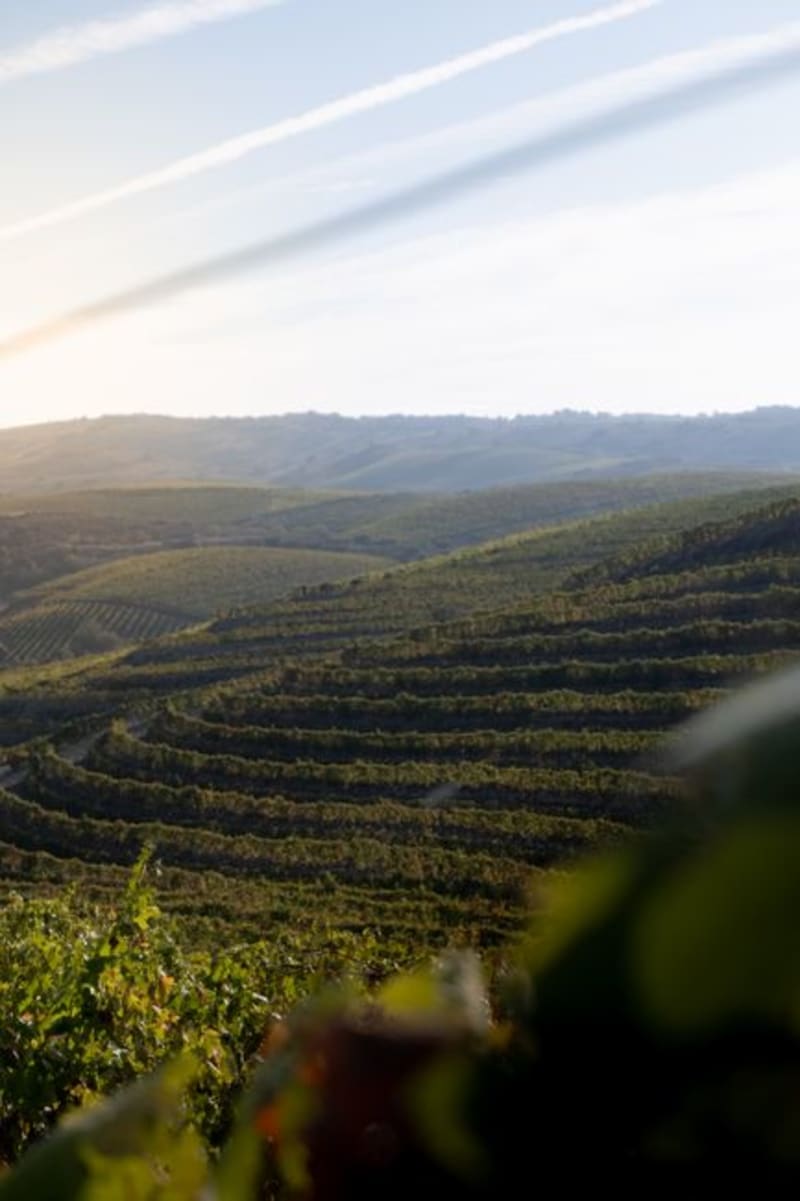 spain
spain Cambados
The unofficial capital of Albariño, a small baroque town on the Rías Baixas where the vineyards run right up to the sea wall.
Explore