Queulat National Park
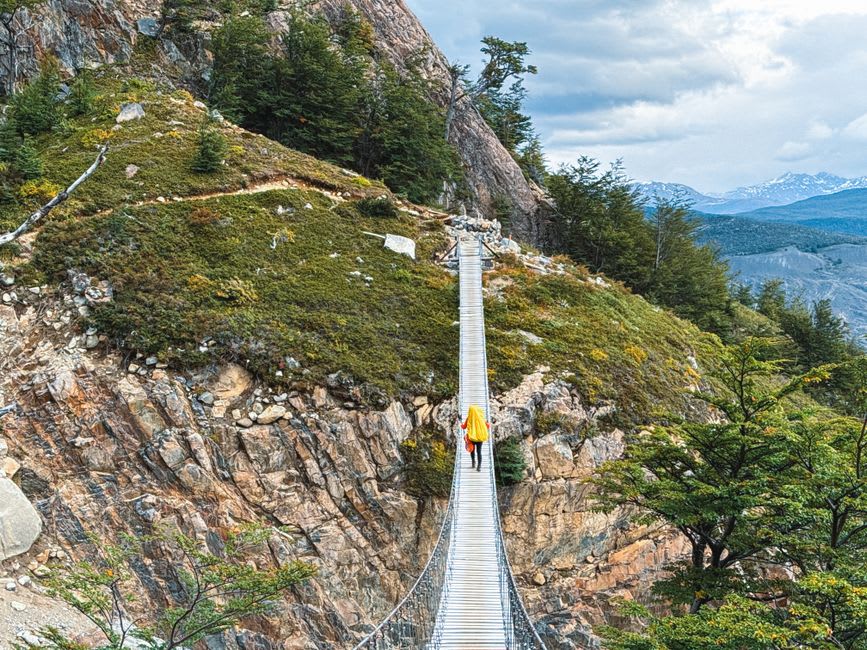
"We stood on that suspension bridge for twenty minutes, waiting for the sky to open, and it did."
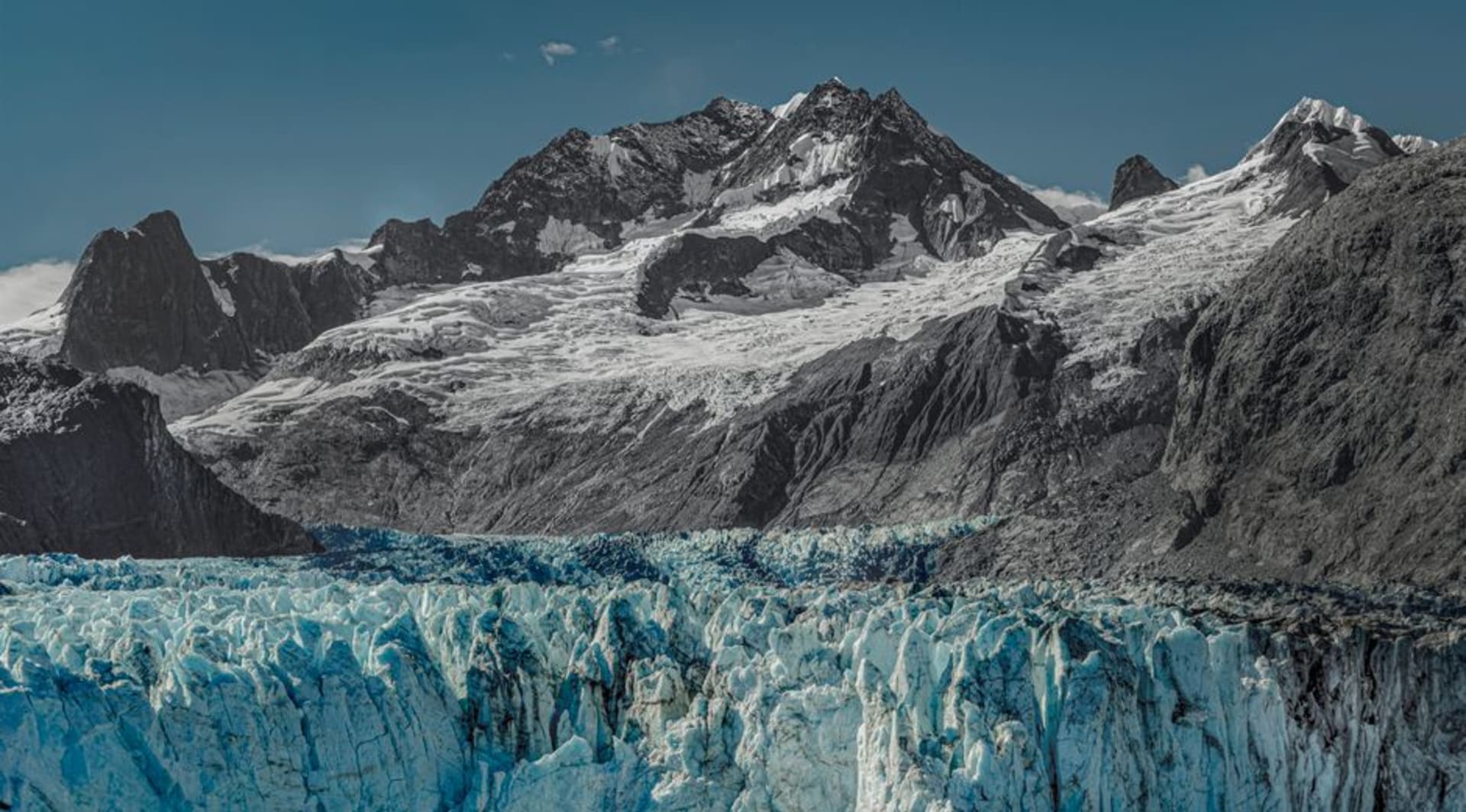
A hanging glacier feeding waterfalls into a turquoise lagoon, deep in the rainforest silence of the Carretera Austral.
I’d read about the Ventisquero Colgante for months before we actually stood in front of it, and I still wasn’t ready for it. You come around a bend on the Carretera Austral, past Puyuhuapi, and there it is: a glacier just hanging off a granite cliff like it forgot to fall, feeding two waterfalls that drop straight into a lagoon so turquoise it looks retouched. Lia grabbed my arm without saying anything. Neither of us said anything for a while, actually. Some places do that to you.
We’d based ourselves in Puyuhuapi the night before, this tiny village founded by German immigrants back in 1935, and the contrast stuck with me the whole drive in — timber houses with steep roofs, a bakery selling kuchen, and then twenty minutes later you’re walking into one of the wettest rainforests in Chile. Queulat means, roughly, “sound of the earth” or the sound of falling water, depending on who you ask, and honestly both readings make sense once you’re inside it. The trail in is short but it earns every minute, crossing a couple of suspension bridges that sway just enough to make you grip the cables, through Valdivian temperate rainforest so dense and dripping it feels like walking through a wrung-out sponge.
What got me was how accessible it all is. This is Chilean Patagonia, a region I associate with multi-day treks and serious logistics, and yet here’s one of its most dramatic glacier views reachable on a short, well-marked walk. We reached the main viewpoint and just sat on a rock for the better part of an hour, watching chunks of ice occasionally calve off in the distance, the sound arriving a beat after you saw it happen. Established in 1983, the park covers something like 154,000 hectares, and from that viewpoint you get the sense that almost none of it has ever seen a trail.
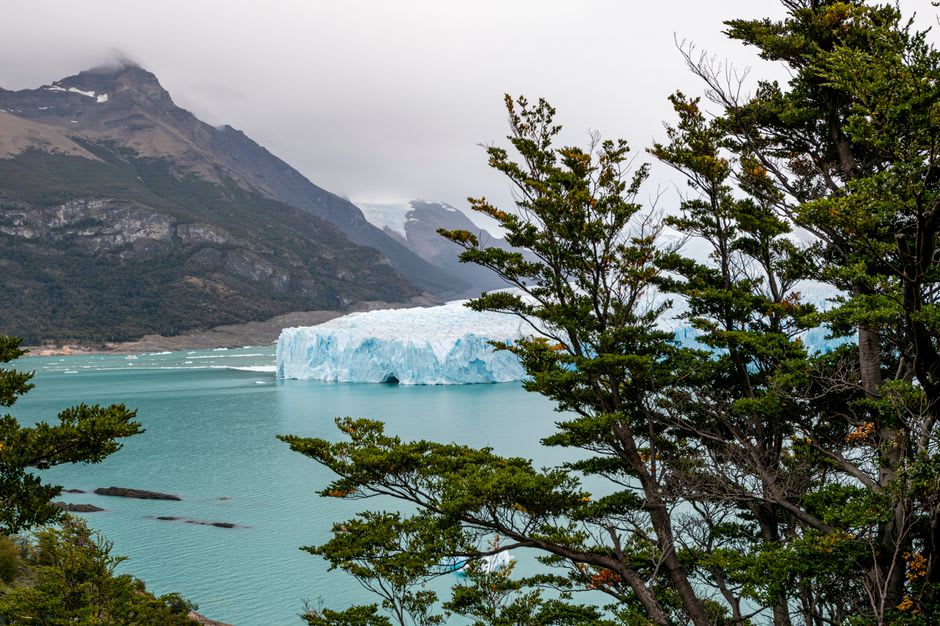
We got lucky with weather, honestly — this is rainforest, and the clouds roll in and swallow the glacier without warning. I remember Lia pointing out that the whole hanging-glacier silhouette had vanished behind fog while we were mid-sentence, then reappeared ten minutes later like nothing happened. That patience is part of the deal here. When to go: aim for December through March, when your odds of catching the Ventisquero Colgante under clear skies are simply much better than the rest of the year.