Americas
Southern Chile
"The wind down here doesn't ask permission — it just rearranges your plans."
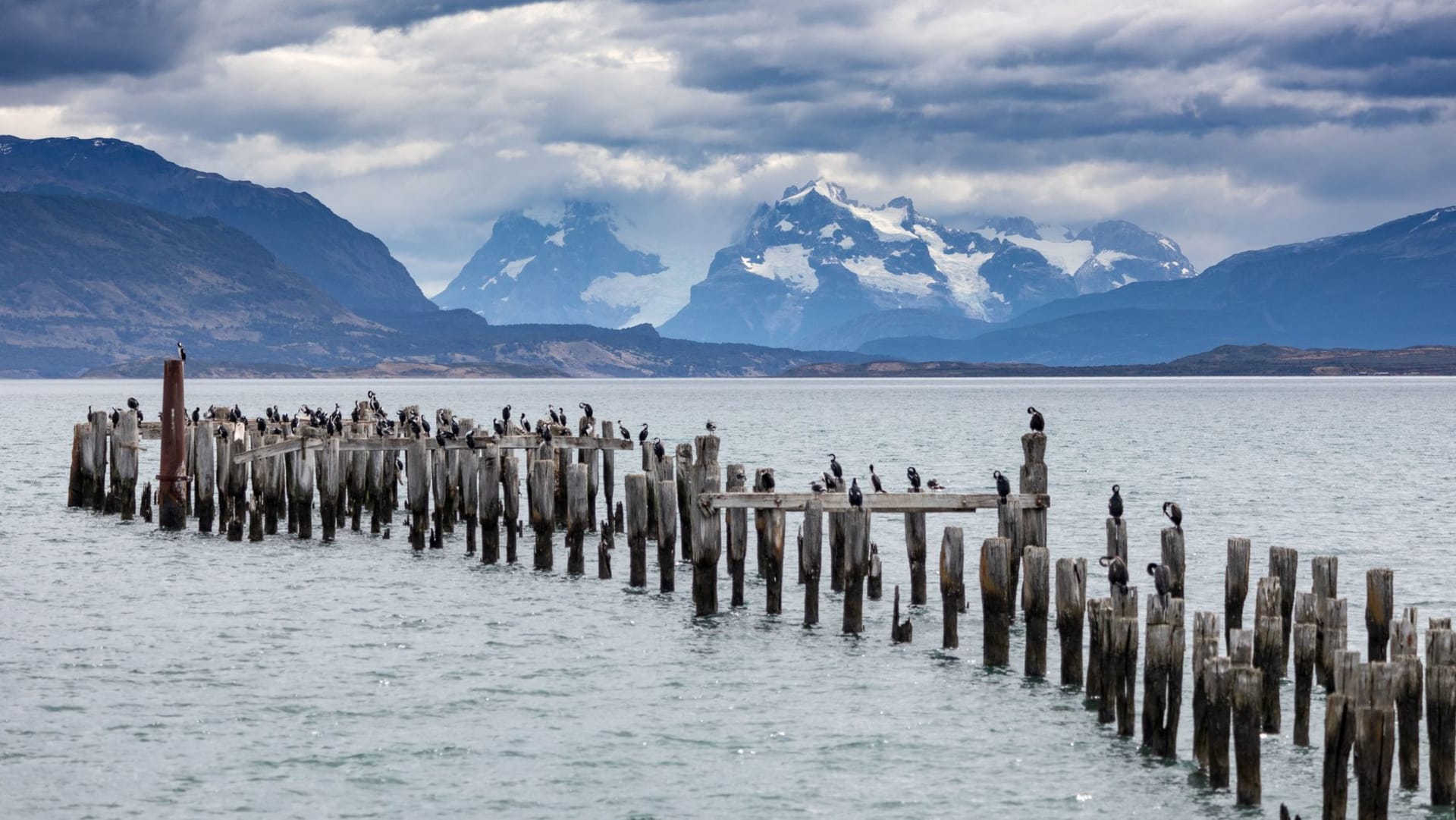
Where the fjords swallow the map and Patagonia stops being a brand and starts being the wind that won't let you stand straight.

I arrived in Puerto Natales on a bus from Punta Arenas with a sleeping bag that was technically rated for the temperature and practically not, and the town greeted me with horizontal rain and a street dog who seemed genuinely unbothered by all of it. That dog understood something I spent three days learning: Southern Chile is not a place you conquer. It is a place you negotiate with, grudgingly, on its terms, and occasionally it lets you win.
The geography down here is disproportionate in a way that photographs flatten. Lago Grey is a lake the color of pewter with icebergs floating in it like something out of a fever dream. The Torres themselves — those three granite spikes that appear on every Patagonia jacket and postcard — reveal themselves only when they decide to, the cloud sitting across them like a curtain for hours before parting. I hiked the W Trek over four days, camped in wind so fierce the tent poles bent horizontal, and saw the towers exactly once, for about forty minutes, at dawn, in a light so specific and cold and perfect that I understood immediately why people come back every year trying to see it again. The rest of the trek was grey and magnificent in a completely different way.
The food in the south is built for the cold. In Puerto Natales, I ate centolla — king crab, pulled apart at a plastic table with a woman who ran the refugio and had clearly watched tourists struggle with it before — with nothing but bread and lemon. In Punta Arenas, cordero al palo, a whole lamb slow-roasted on a cross stake over open fire, the fat rendering down into something extraordinary. This is not a cuisine that is interested in being fashionable. It is interested in keeping you warm enough to go back outside.
When to go: November through March is the window, with January and February offering the most reliable weather — which still means four seasons in a day, wind that doesn’t pause, and the occasional whiteout. October and November bring fewer people and the possibility of seeing the park in shoulder-season quiet. Avoid June through August unless you are specifically after winter hiking, which is a different and considerably more demanding trip.
What most guides get wrong: They treat Torres del Paine as the whole story. Southern Chile extends far beyond — the Carretera Austral stretching north through Cochrane and Villa O’Higgins is one of the world’s great road trips, with fjords, hanging glaciers, and towns that feel genuinely remote rather than performed. Most travelers fly into Punta Arenas, do the park, and leave. The ones who drive the Carretera, or take the ferry through the channels to Puerto Montt, come back with a completely different country in their heads.
Explore
Places in Southern Chile
 southern-chile
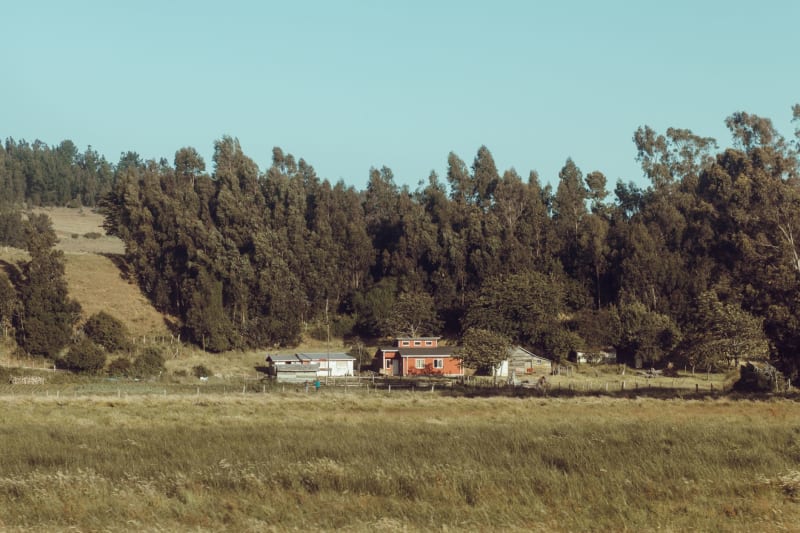
 Carretera Austral
A 1,240-kilometer dirt and gravel road through fjords, glaciers, and hanging valleys that Pinochet built and which now serves mainly as the world's most dramatic drive.
Explore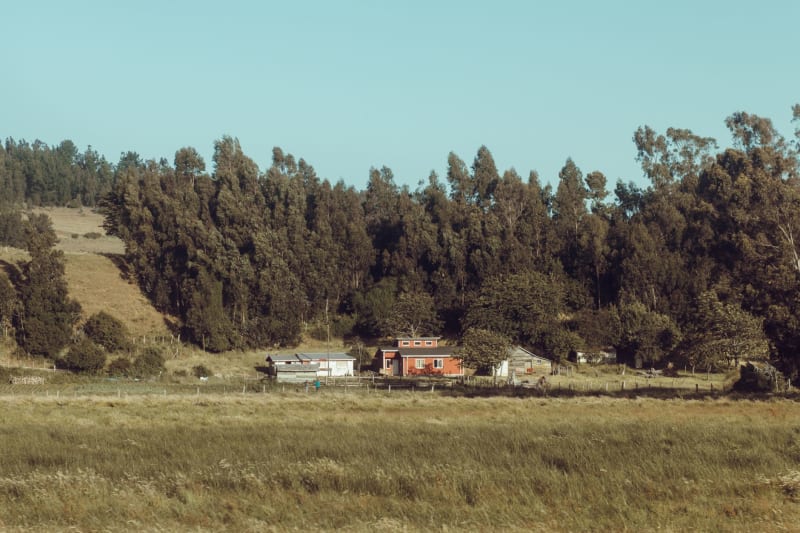 southern-chile
 Chiloé
A fog-wrapped island archipelago where wooden churches, stilt houses, and a mythology thick with sea spirits make you feel like you've arrived inside a story.
Explore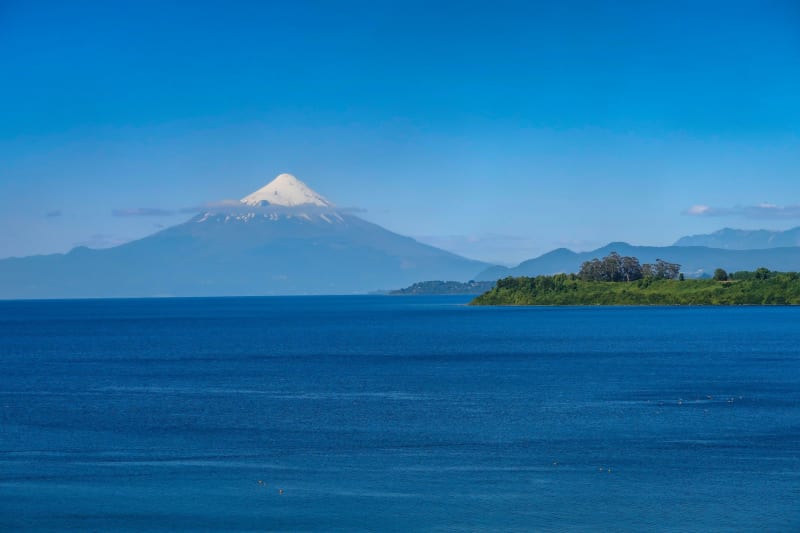 southern-chile
 Cochrane
A frontier town of 3,000 people on the edge of the largest temperate ice field outside Antarctica, where the silence has a specific density and almost nobody comes on purpose.
Explore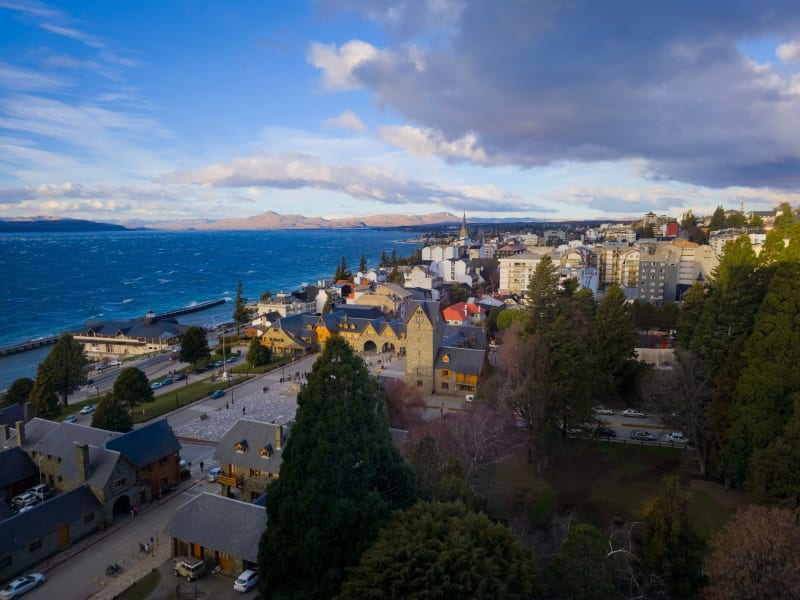 southern-chile
 Coyhaique
The unlikely capital of Chilean Patagonia — a grid city that appeared in the 1930s and serves as the only urban center for 100,000 square kilometers of fjords, glaciers, and steppe.
Explore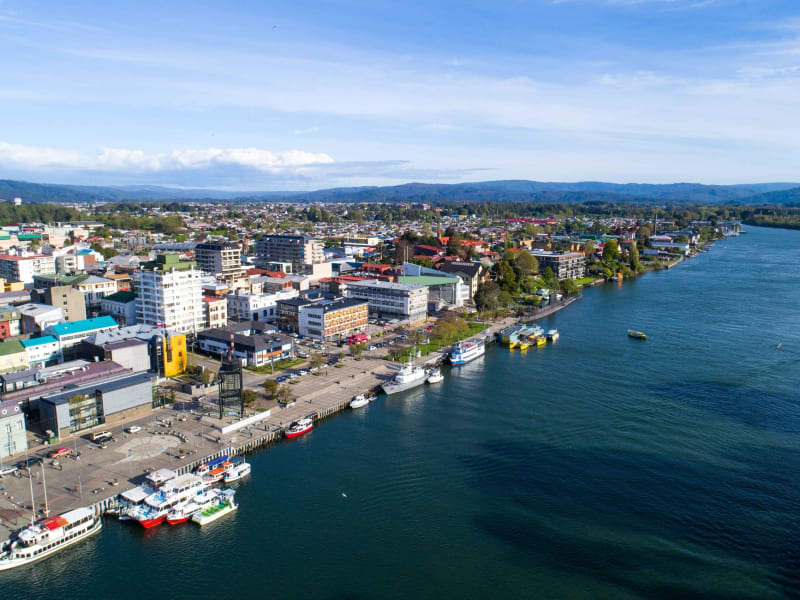 southern-chile
 Futaleufú
A small Andean border town on one of the world's most technically demanding rivers, where the water is an impossible turquoise and the rapids have names like Infierno.
Explore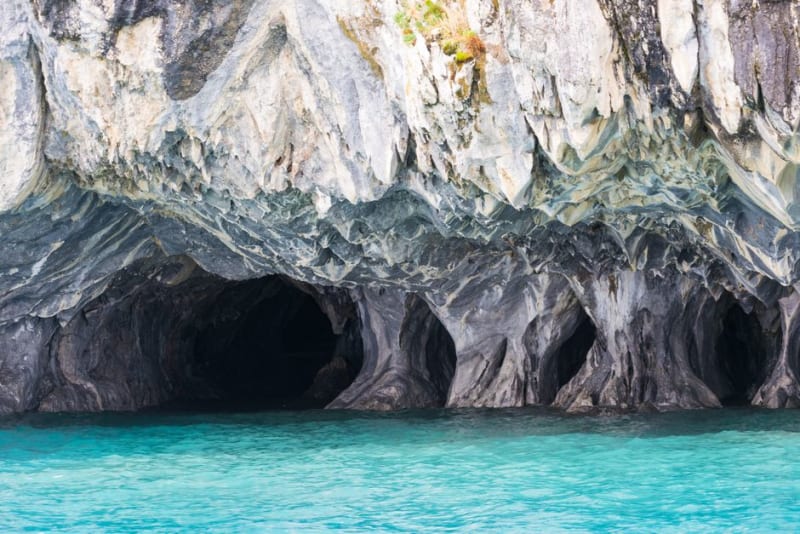 southern-chile
 Marble Caves (Capillas de Mármol)
Wave-carved marble chapels rising from a glacial-blue lake, reachable only by small boat from a village at the end of the road.
Explore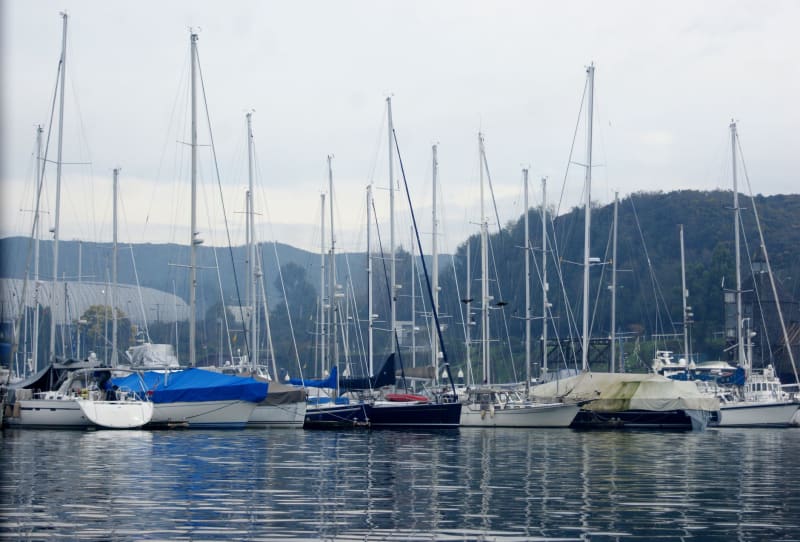 southern-chile
 Puerto Montt
The northern gateway to Patagonia — a port city that smells of smoked fish and diesel and takes pride in being the place where the road ends and the fjords begin.
Explore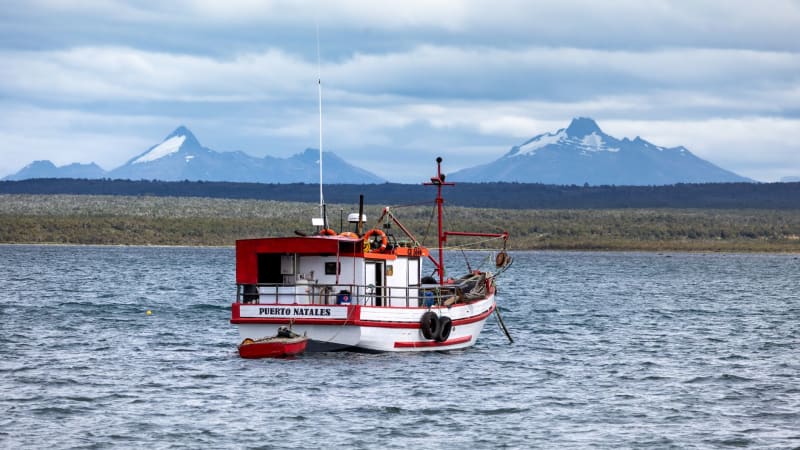 southern-chile
 Puerto Natales
A wind-scoured town at the edge of the world that exists partly to outfit hikers and partly as a reminder that Patagonia is a real place where people actually live.
Explore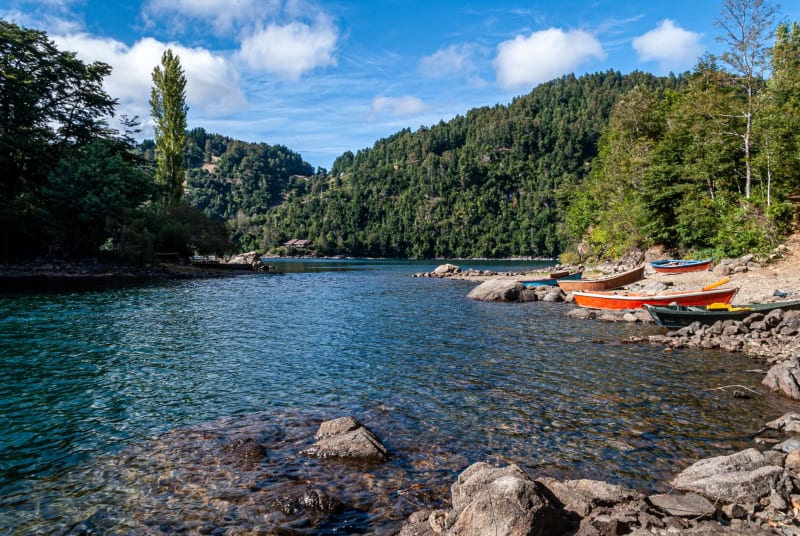 southern-chile
 Pumalín Park
A vast private-turned-national park of temperate rainforest, fjords, and 3,000-year-old alerce trees that a clothing magnate bought up and gave back to Chile.
Explore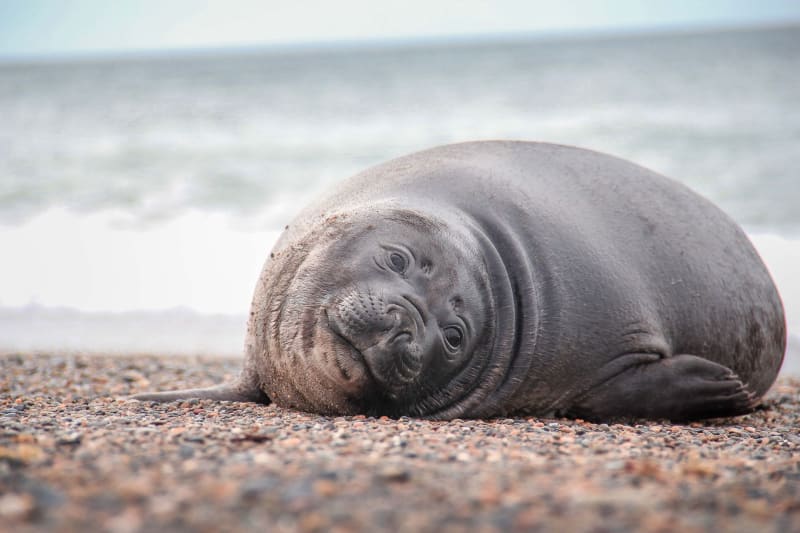 southern-chile
 Punta Arenas
The southernmost city in the world worth calling a city, a place that smells of sea wind and wool and feels like the frontier it technically is.
Explore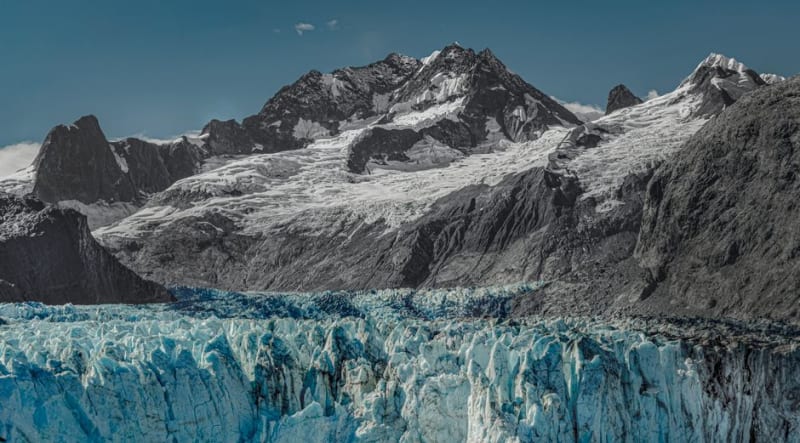 southern-chile
 Queulat National Park
A hanging glacier feeding waterfalls into a turquoise lagoon, deep in the rainforest silence of the Carretera Austral.
Explore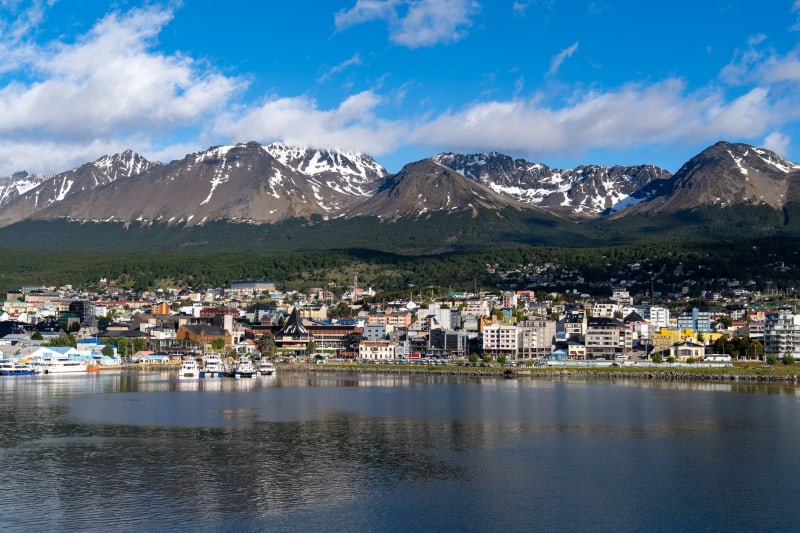 southern-chile
 Tierra del Fuego
The archipelago at the end of the continent, where channels of black water separate islands no one lives on and the wind has been practicing for a very long time.
Explore southern-chile
 Torres del Paine
Three granite spires that materialize from cloud and wind like a promise the landscape makes to itself.
Explore