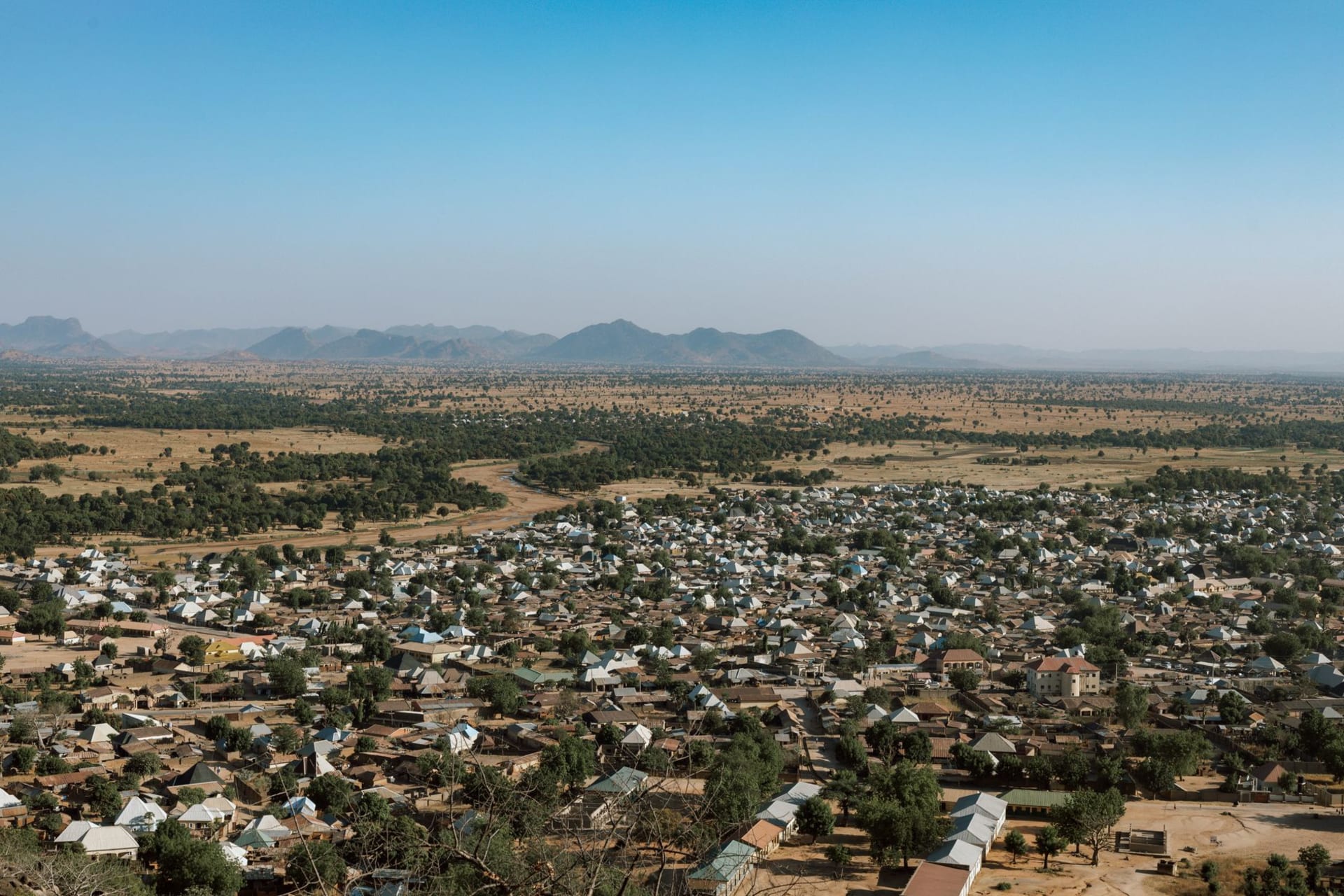
Nimule
"The border here is a bureaucratic line through country that the elephants treat as continuous."
The road from Juba to Nimule is 192 kilometers and takes somewhere between three and six hours depending on your vehicle, the season, and your luck with fuel. I drove it with a local fixer in a land cruiser that had seen better decades, and by the time we descended from the flat scrub into the green valley of the Albert Nile, the landscape had transformed entirely. Nimule sits in a pocket of humidity where Uganda’s topography pushes moisture north — the trees are taller, the undergrowth denser, and the air smells of wet earth and something floral I never identified.
Nimule National Park
The national park is one of the few places in South Sudan where wildlife viewing is genuinely feasible without specialist expedition equipment. The park’s populations have fluctuated dramatically due to conflict and poaching pressure over the decades, but elephants have persisted, moving freely across the Ugandan border through the Murchison Falls ecosystem. I saw a breeding herd of about thirty crossing a dry riverbed early one morning — the kind of sighting that reminds you why this country matters ecologically, if only the security situation would allow the investment it deserves.
The park also holds hippos in the Nile sections, Nile crocodiles on the sandbars, and Uganda kob in numbers that suggest the area’s resilience. A ranger named Thomas took me out on foot along the river at dawn, and we spent two hours moving quietly through riverine forest, the calls of red-cheeked cordon-bleus and kingfishers competing with the sound of water. Thomas had been with the park for twelve years. He knew where the elephants went to drink at each season with the certainty of a man who has been paying attention.
The Albert Nile
The river here is narrower and faster than the White Nile at Juba or Malakal — more obviously a river, less a continental force field. The Uganda-South Sudan border runs along it with the casual indifference of a political line imposed on a continuous watershed. On both banks, fishing camps operate in shared disregard for the boundary; the fish don’t carry passports.
I sat on a rock above the river in the late afternoon watching the current and realized I was hearing the Nile at its most audible — the actual sound of moving water, not the vast silence of the wide floodplain sections further north.
The Border Town
Nimule town itself is primarily a transit point on the main trade route between Kampala and Juba. The crossing processes hundreds of trucks daily — fuel tankers, grain lorries, food aid convoys. The town has taken on the functional energy of a commercial border post: currency changers, mechanics, restaurants serving Ugandan-style matoke alongside South Sudanese groundnut stew, guesthouses that cater to truckers on scheduled runs.
The food at the border market surprised me — the Ugandan influence means rolex wraps (chapati and egg, rolled tight) alongside the sorghum staples, cold Nile Special beer, ripe jackfruit cut in wedges. I ate well for less than two dollars.
When to go: December through February is the best window — dry, cooler, and the park’s dry watercourses concentrate animals near the Nile. March to May is transitional. June through October brings heavy rain that makes park tracks impassable. The Kampala–Juba highway means Nimule is relatively easy to reach compared to most South Sudanese destinations.