Malakal
"The Nile doesn't care what year it is. In Malakal, that indifference is almost comforting."
The White Nile north of Juba widens considerably by the time it reaches Malakal — the capital of Upper Nile State and, for a long stretch of South Sudan’s colonial and post-colonial history, one of the most important river ports on the continent. I came in from the south by boat, which is the correct way to arrive: the town reveals itself gradually above a flat riverbank, the grid of streets laid out in the colonial period still visible in the wider avenues near the center.
River Town Archaeology
Malakal has layers in the way that river towns accumulate them — Ottoman traders, British administrators, Sudanese merchants, South Sudanese families who’ve been here for four or five generations. The architecture reflects this: a colonial-era building with Arabic-style shutters repurposed as a school, fishing cooperatives operating from corrugated sheds, a mosque and a church facing each other across a dirt square with the mild familiarity of neighbors.
The market runs along the river road, a compressed strip of trade that starts before dawn with fishermen bringing in the night’s catch. Nile perch laid out on palm fronds, tilapia in stacked piles, smaller fish I couldn’t name dried and salted for inland trade. Women negotiated in Shilluk, Nuer, Arabic — the linguistic register shifting mid-sentence without anyone seeming to notice.
The Shilluk Kingdom
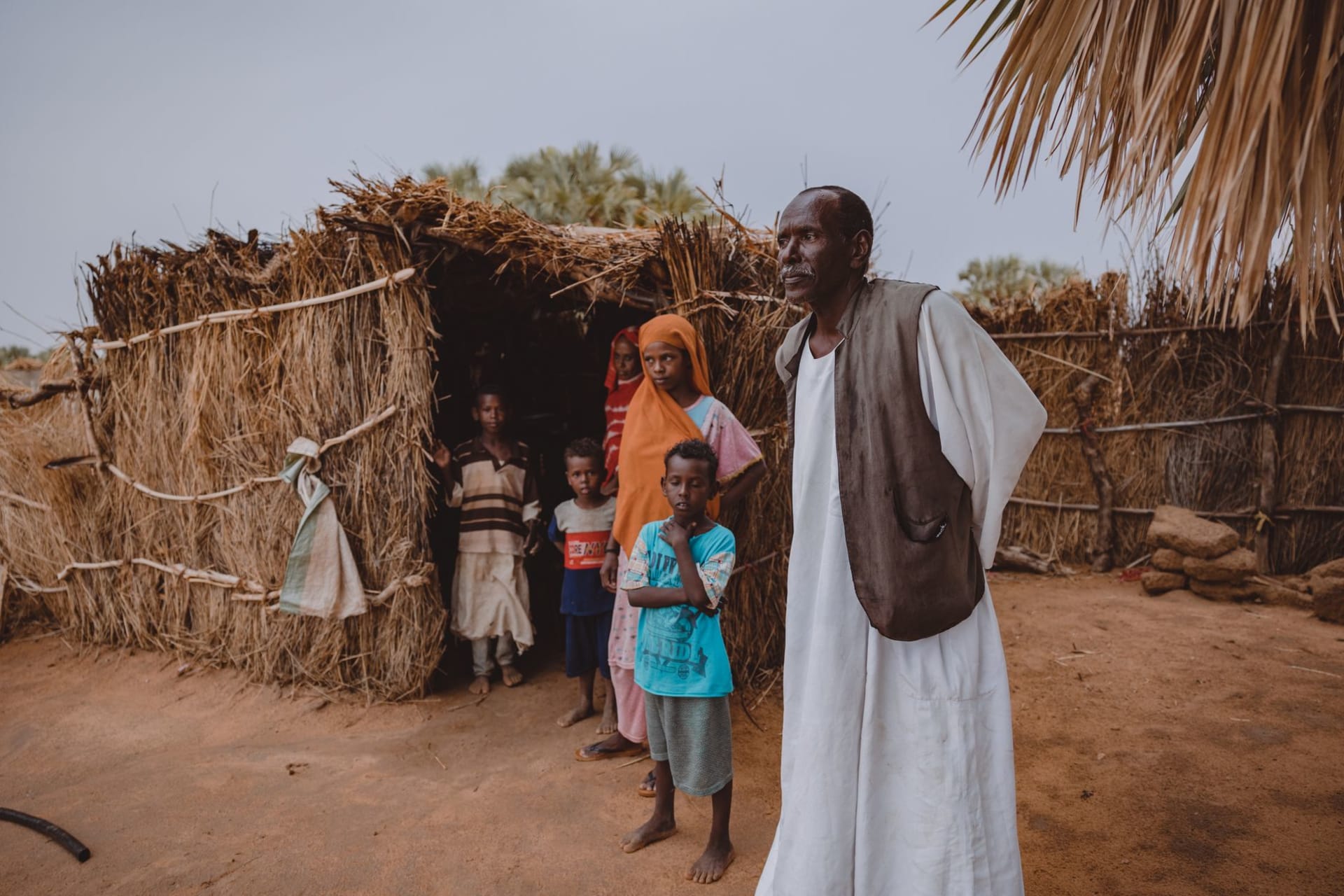
Malakal sits on the western edge of traditional Shilluk territory, and the Shilluk kingdom is one of the oldest and most structured political institutions in the region. The Reth — the king — holds a role that’s simultaneously spiritual and temporal, a living link between the Shilluk people and their founding ancestor Nyikang. I met a man at the market who offered to take me to visit relatives in a Shilluk village downriver. We went by canoe through papyrus channels so narrow the stalks brushed both sides of the boat, and emerged into a settlement of round tukuls set on a slight rise above the flood line.
The chief received visitors in a courtyard under a large neem tree. The conversation, conducted through translation, was formal and courteous in the specific way of places where formality is a value rather than an affectation. I left with dried fish and a clearer sense that Malakal is not just a town but a gateway to something much older.
The River as Constant
The Nile at Malakal is a working artery: barges carrying grain and fuel, fishing boats, the occasional larger vessel from Khartoum back when that crossing was possible. Sitting on the embankment at dusk watching the traffic move in both directions, I had the familiar sensation of watching a system that predates everything built around it. The buildings will change, the politics will continue doing what politics does, and the river will keep moving north at whatever pace it decides.
There’s a guesthouse near the embankment that catches the evening river breeze, which makes it worth the modest discomfort of everything else about it. Cold soda, warm catfish, the sound of water.
When to go: November through February for dry conditions and cooler temperatures. The rainy season (May–October) floods surrounding areas and can disrupt boat and road access. Upper Nile State has experienced periodic conflict — always check current travel advisories before visiting and plan routes carefully with local knowledge.