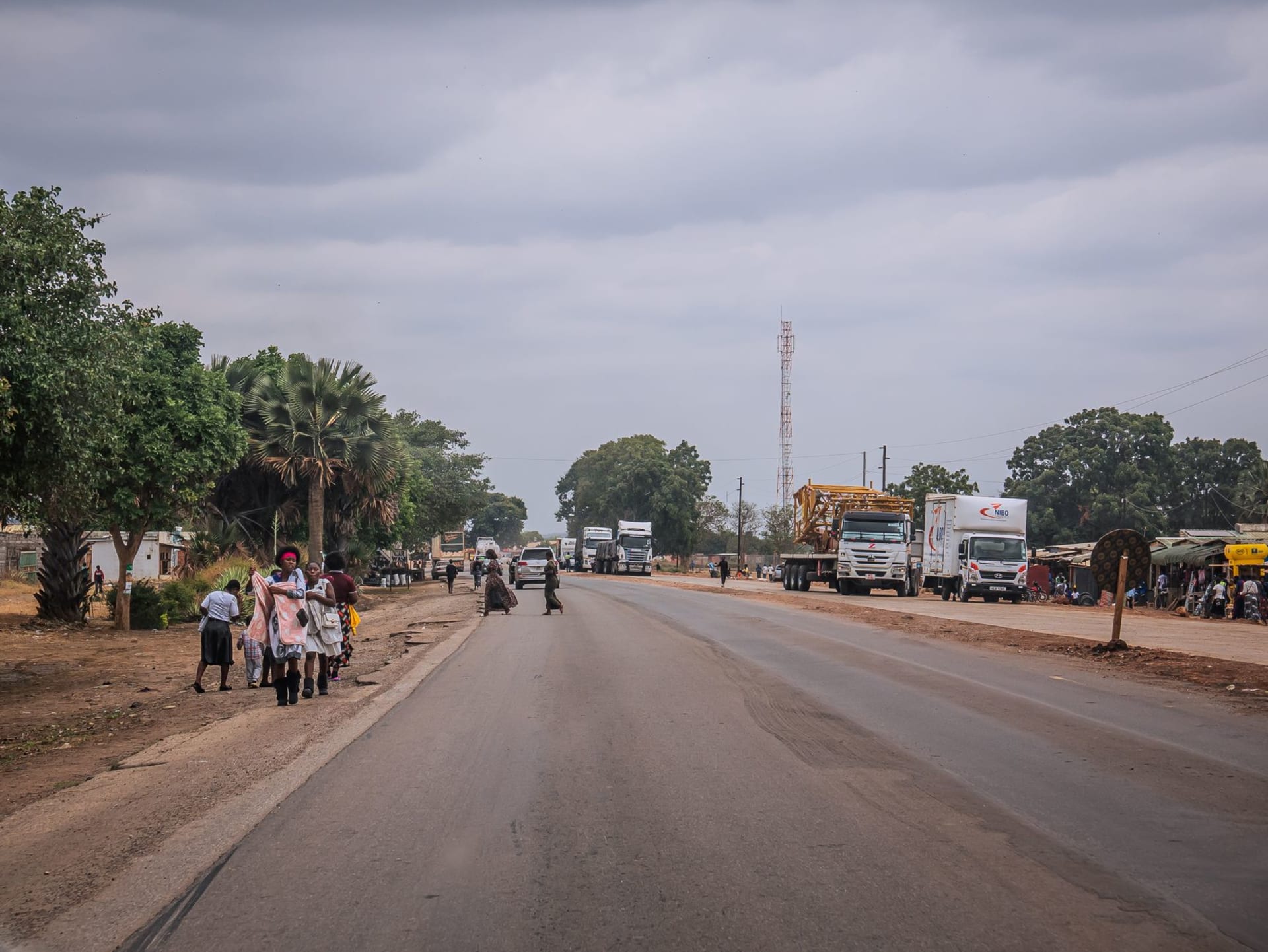
There’s a specific quality of heat that belongs to Juba alone — dry enough to crack your lips before noon, dense enough by three in the afternoon that the corrugated rooftops shimmer like water. I arrived from Nairobi on a prop plane and walked across tarmac that felt like the surface of something just pulled from an oven. The city hit me before I cleared customs: diesel, charcoal smoke, the green-brown smell of the Nile arriving ahead of itself.
A Capital in a Hurry
Juba became the capital of the world’s newest country in 2011, and it’s been sprinting to catch up with that title ever since. Wide boulevards cut through neighborhoods that are half mud-brick compounds, half gleaming NGO compound walls. The contrast isn’t jarring so much as honest — this is a city that hasn’t had the luxury of pretending it’s somewhere else. Ministries share streets with open-air markets where men sell spare phone parts and women fry fish over small fires, the smoke drifting sideways in the river wind.
I walked the main market near Konyo Konyo on my first morning before the heat settled in properly. Stalls packed so tight you have to turn sideways. Sorghum grain in canvas sacks, red onions in pyramids, mobile money agents squeezed between butchers. A man argued cheerfully with his neighbor over the price of something I couldn’t identify. The sounds were Juba Arabic mixed with Dinka, Bari, English — the linguistic arithmetic of a place built from dozens of peoples at once.
The River at the Edge of Everything
The White Nile is Juba’s most important fact. I hired a boat near the Juba Bridge early one morning and moved upstream through stands of papyrus taller than I am. Herons stood motionless on exposed sandbanks. The water was the color of milky tea, carrying the weight of central Africa toward Egypt with total indifference to the politics happening on its banks.
Back on shore, the riverfront restaurants come alive after six — plastic chairs, cold Nile Special beer, catfish grilled over charcoal. The crowd is a specific post-conflict mix: aid workers swapping field stories, South Sudanese businessmen in good shoes talking on two phones at once, soldiers in civilian clothes nursing sodas. The Nile bends south of the city in a way that catches the last light beautifully. I watched it until the mosquitoes made it impossible.
What the City Asks of You
Juba requires a particular patience. Traffic moves at a pace that suggests everyone has decided collectively to breathe. Power cuts kill the AC without warning. The roads outside the center become rivers in rainy season, genuinely impassable. But the city rewards the patience with access to something rare — a country actively deciding what it is. I sat in on a cultural evening at a local arts center where young South Sudanese musicians were mixing traditional Dinka rhythms with electronic production. The room was packed, the energy electric, the music unlike anything I’d heard before.
This is not a polished destination. It’s something more interesting: a capital in the middle of its own becoming.
When to go: November through March, when temperatures are more tolerable and roads are passable. The dry season peaks December–February. Avoid May–October when rains can make movement within and around the city difficult. Confirm security conditions before travel — the situation can change quickly.