Santa Isabel
"The chief explained the crocodile protocols with the matter-of-fact tone of someone describing traffic rules."
Santa Isabel — known locally just as Isabel — stretches northeast for some 170 kilometres, which makes it the longest island in the Solomons, though it barely registers in most travel writing about the country. It’s underpopulated, underserviced, and in the absence of a single obvious landmark or activity to anchor a visit, tends to get skipped. This is a mistake, and probably a feature.
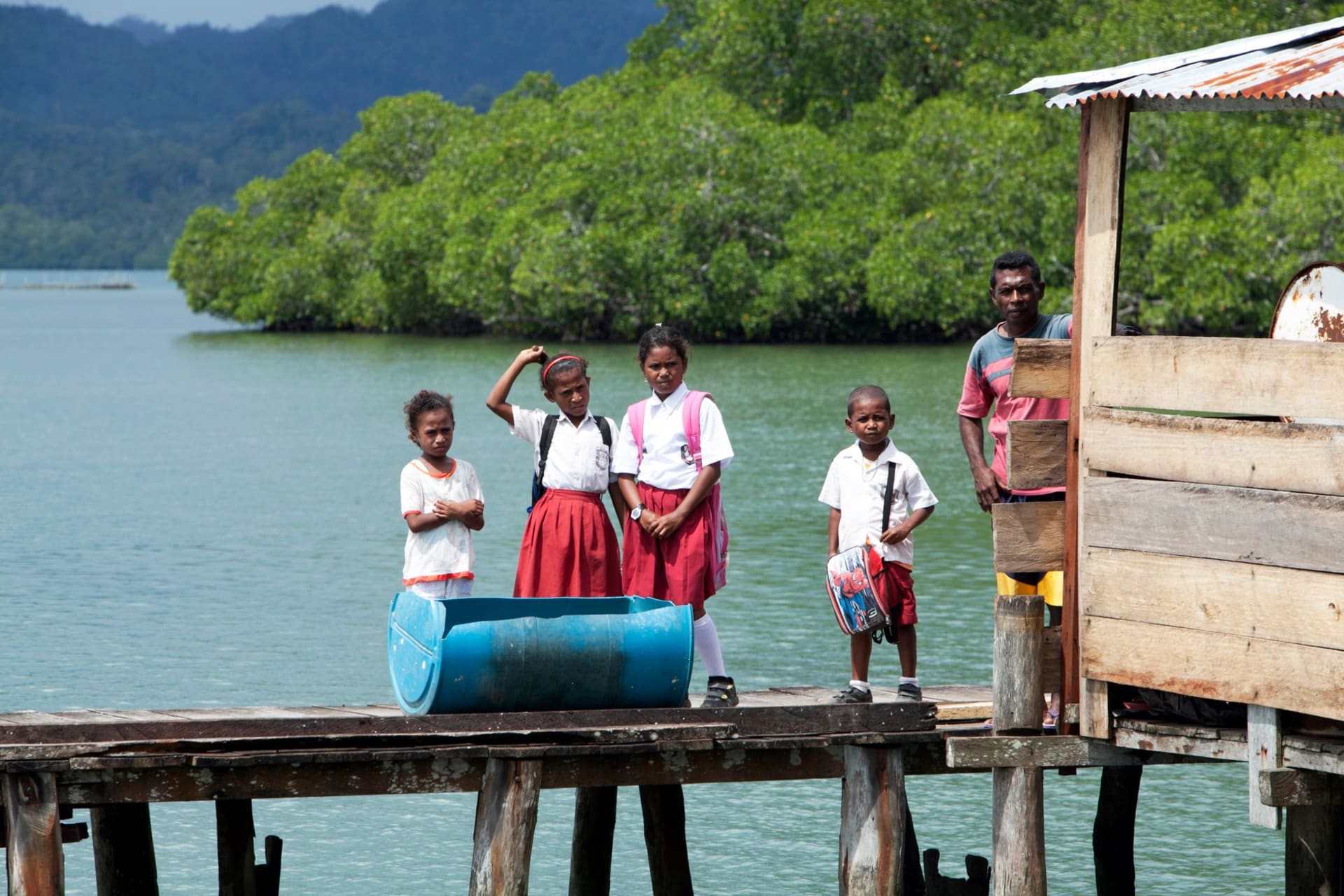
Buala is the provincial capital, reachable by small plane from Honiara. It sits at the edge of Maringe Lagoon, a sheltered bay of clear water backed by hills dense with what appears to be undisturbed secondary and primary forest. The town is small and unhurried in a way that Honiara — even Munda — isn’t. People stop to talk. There’s a market that operates on its own schedule. The Catholic mission that arrived in the nineteenth century left behind a reputation for establishing schools, and Isabel has unusually high literacy rates by Solomon Island standards.
The Crocodile Question
Santa Isabel has one of the denser crocodile populations in the Solomons, and the relationship between local communities and these animals is genuinely complex. Crocodiles are not worshipped exactly, but they exist in a system of kastom belief that grants them a particular status — they are understood as potentially being inhabited by ancestral spirits, which creates a category of caution that goes beyond simple risk management.
The protocols for swimming, fishing, and using waterways are explained to you by anyone you ask, with a seriousness that I found bracing in the best way. One village chief I met near Buala went through the relevant rules — where crocodiles had been seen, which river sections to avoid, how to behave if you encountered one — with the precise, unhurried authority of someone who had given this briefing before and understood why it mattered.
I snorkelled in the lagoon off the main beach and stayed well within the designated areas, and found the experience perfectly relaxed. The threat is real but also managed by knowledge that the local communities have been accumulating for generations.
Traditional Governance
Isabel is notable for the persistence and functional authority of its traditional chiefly system. The paramount chiefs — bubutu — still mediate disputes, oversee land management, and represent their communities in dealings with national government in ways that make the political structure here meaningfully different from provinces where kastom authority has eroded more completely.
This is not a museum piece. I sat in on a community meeting at a village south of Buala where a dispute over a small piece of land was being arbitrated by two elders, using a combination of genealogy, oral history, and precedent that was entirely self-contained — no reference to written documents, no police, no national court. The matter was resolved in about an hour and everyone went home.
Forests and Rivers
Isabel’s interior is largely untouched. The ridge spine of the island rises to over 1,000 metres in places and is covered with forest that hasn’t been logged, partly because the terrain discourages it and partly because the Isabel provincial government has been more resistant to commercial logging deals than some other provinces. Walking up river valleys into the forest is possible with a local guide and rewards patience: Pacific kingfisher, Isabel olive-backed sunbird, and the occasional hornbill working the canopy.
When to go: May through October is the dry season and the most comfortable time to visit. Isabel sees fewer tourists than almost anywhere in the Solomons, and there’s no high-season pressure on accommodation (though options are very limited — booking ahead is essential). December through March brings heavy rain and the crocodile activity in waterways tends to increase with flooding.