Pacific
Solomon Islands
"The Pacific everyone imagined before tourism got to it."
I flew into Honiara on a plane that felt like a school bus with wings, and the first thing I noticed stepping onto the tarmac was the heat — not the aggressive, wet heat of Southeast Asia, but something quieter, heavier, like the air itself had been sitting in the sun all week. The capital is not a beautiful city. It’s a working port town with a chaotic market, Chinese-run stores, and a waterfront that smells of fish and diesel. But by the time I’d eaten a plate of fresh tuna at the Central Market for the equivalent of two dollars, I understood that Honiara wasn’t the point. The islands beyond it were.
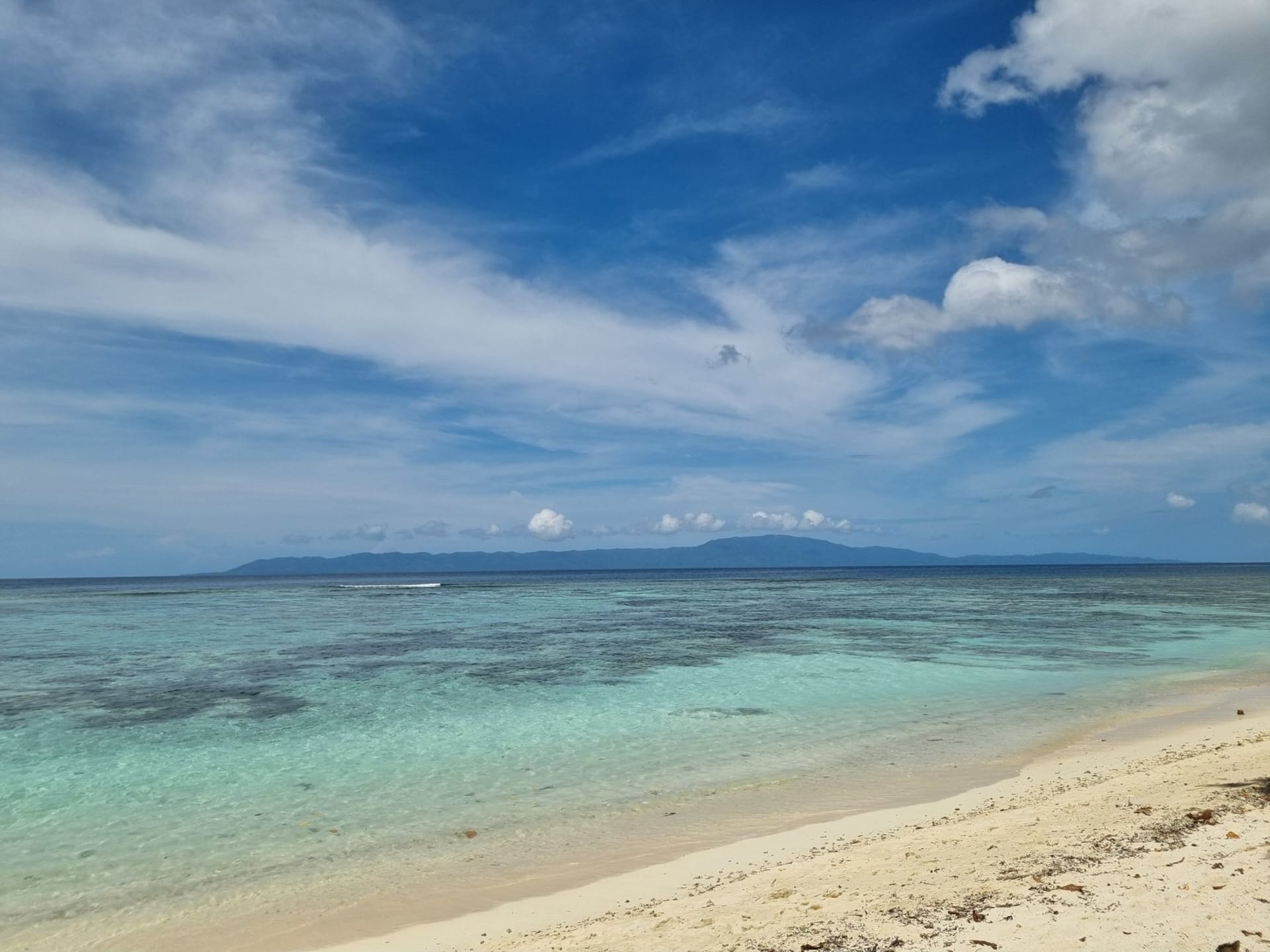
I took the ferry west toward the Marovo Lagoon, which is billed in the few travel pieces that cover this place as one of the largest saltwater lagoons in the world. That’s accurate but it still doesn’t prepare you. The water runs from pale mint to deep cobalt depending on the depth, and the islands that frame it are so green they look painted. I stayed in a small guesthouse run by a family in a village reachable only by wooden boat — the kind of place where dinner was whatever came in off the reef that afternoon, and the generator went off at nine. The reef itself was extraordinary. I’m not a hyperbolic person about diving, but the coral here is intact in a way I’ve stopped expecting. Sea fans taller than I am, schools of surgeonfish that move in formation, a hawksbill turtle that tolerated my presence for twenty minutes before growing bored. The WWII wrecks are everywhere — Japanese Zeros and American Hellcats scattered across the lagoon floor with the casual indifference of abandoned machinery, coral beginning to reclaim them hull by hull.
Getting around requires patience. Boats run when they run, schedules are approximate, and the word for tomorrow is used interchangeably with the word for later. I missed a connection in Gizo and spent an extra day on that small island eating fish and rice and watching boats come and go, which turned out to be the best day of the trip. Gizo is laid-back in a way that feels earned rather than performed — a market town, a dive hub, a place where people are genuinely curious about you without wanting anything from you. That last part is rarer than it should be.
When to go: April through November is the dry season, with the best visibility for diving and diving from June through September. December through March brings the northwest monsoon — heavy rain, rough seas, and some roads that become impassable. Avoid this window unless you don’t mind a certain level of unpredictability. The shoulder months (April, May, November) are often the sweet spot: fewer visitors and the landscape still vivid from the wet season rains.
What most guides get wrong: They pitch this place as an “undiscovered paradise,” which is both true and a bit lazy. The Solomons are undiscovered largely because getting here takes effort and the infrastructure is genuinely minimal. That’s not a drawback dressed up as a feature — it’s just reality. You need flexibility, patience, and the willingness to eat a lot of fish. What the guides also miss is that the cultural life of the islands — the kastom practices, the wood carving traditions around Marovo, the lingering weight of the Guadalcanal Campaign that still shapes how locals talk about outsiders — is as interesting as the water. Don’t come only for the reef.