Fifty hairpin turns over the highest road pass in the Julian Alps, built by Russian prisoners of war and driven today for the view, not the destination.
We drove the Vršič Pass from Kranjska Gora to the Soča Valley on a clear September afternoon, and I spent most of the ascent alternating between admiring the view and gripping the door handle, because the numbered hairpins — there are 50 on the northern side alone, each marked with a small stone plaque — are as tight and relentless as advertised. Lia drove; I navigated and occasionally yelped, which she still brings up.
A Road Built By Prisoners
The pass was constructed during the First World War, largely by Russian prisoners of war conscripted into military labor by the Austro-Hungarian army, to supply the Isonzo Front. A small wooden Russian chapel sits near hairpin eight, built by surviving prisoners in memory of hundreds who died in an avalanche during construction — a startlingly quiet, humble structure against the scale of the mountains around it. We stopped, as most people do, and it was the one moment on the drive where the road stopped being about the view and became about what it cost to build.
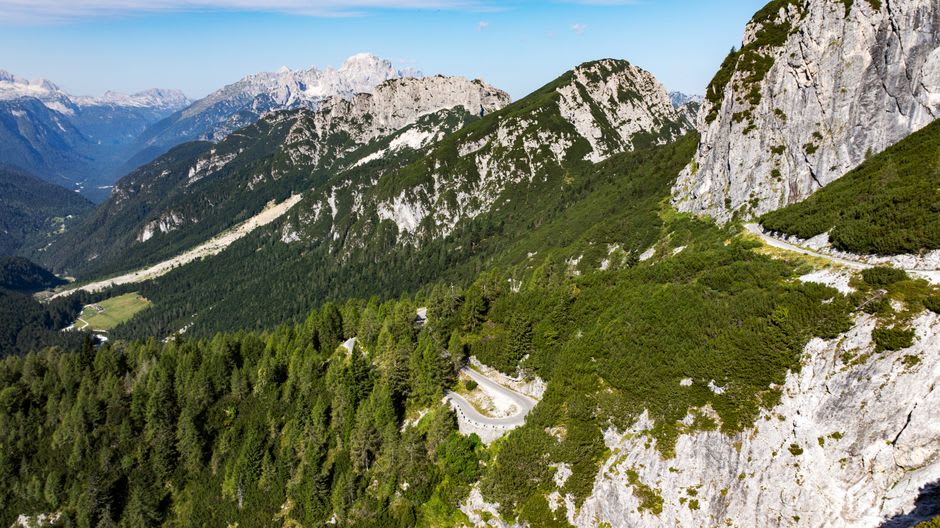
The Top of Everything
At 1,611 meters, the summit is the highest point reachable by paved road in the Julian Alps, and the view in both directions is the kind that makes you understand why people plan entire trips around a single road. North, the valley toward Kranjska Gora; south, the beginning of the descent toward Trenta and eventually the Soča, jagged grey summits on every side including Prisank with its natural window near the top, visible as a dark gap in the rock face if you know where to look.
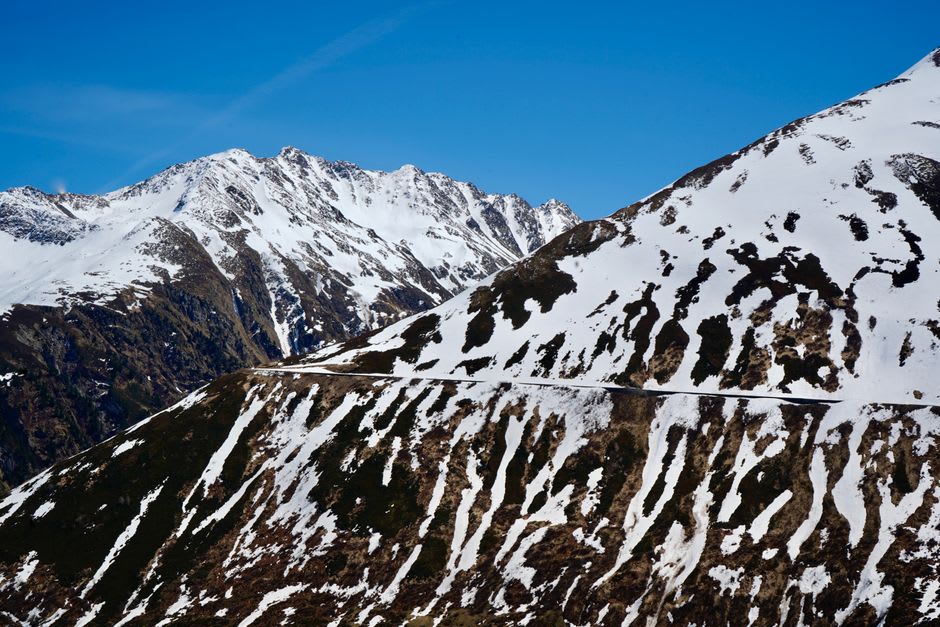
When to go: Late June through September — the pass is officially closed from November to May due to snow, and even the shoulder months can see sudden closures. Go on a weekday if possible; summer weekends bring camper vans that turn the hairpins into a slow crawl.
Keep exploring
More from Slovenia
 slovenia
 Žužemberk
A ruined medieval fortress rebuilt after wartime destruction stands guard over the Krka River in southern Dolenjska, one of the region's most photogenic and least-crowded castle ruins.
Explore slovenia
 Ankaran
A sleepy former monastery town at the northern edge of the Slovenian coast, with the country's best sandy beach and almost none of its tourist traffic.
Explore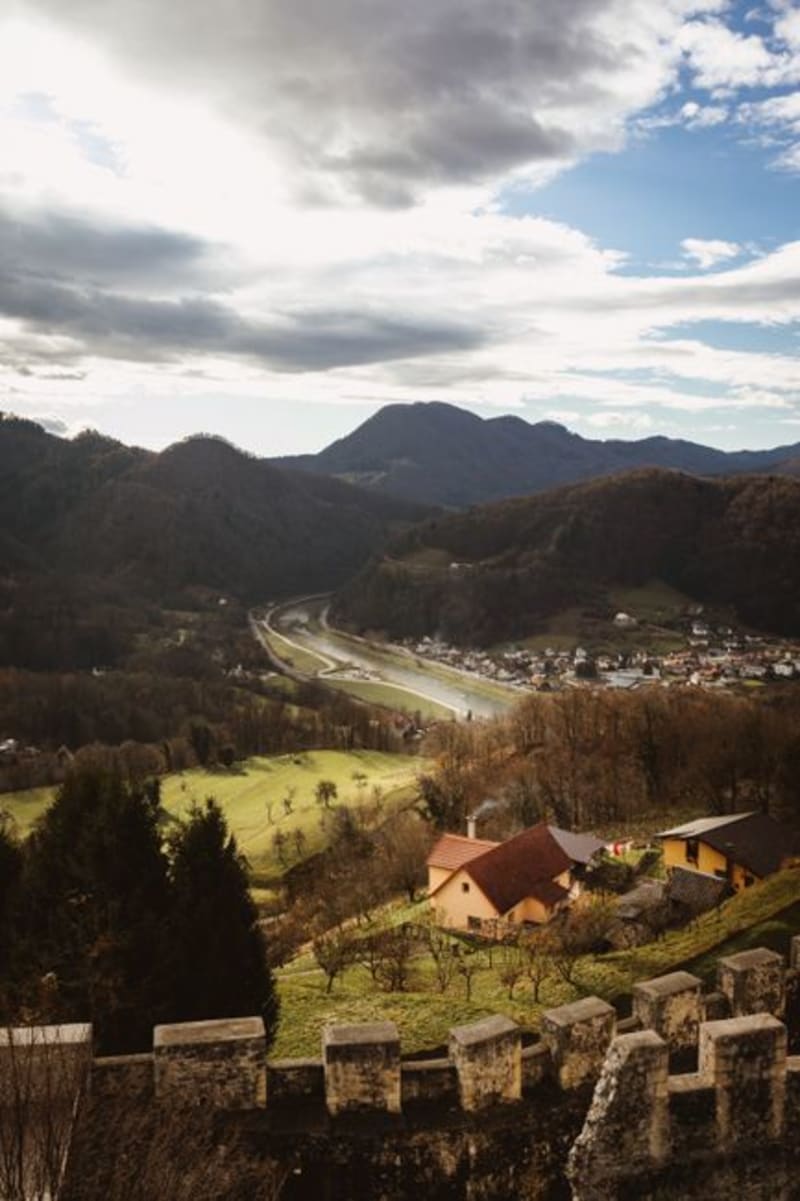 slovenia
 Bela Krajina
Slovenia's southernmost, sunniest, and most overlooked wine region, where the Kolpa river forms a natural border with Croatia and traditions survive that vanished everywhere else generations ago.
Explore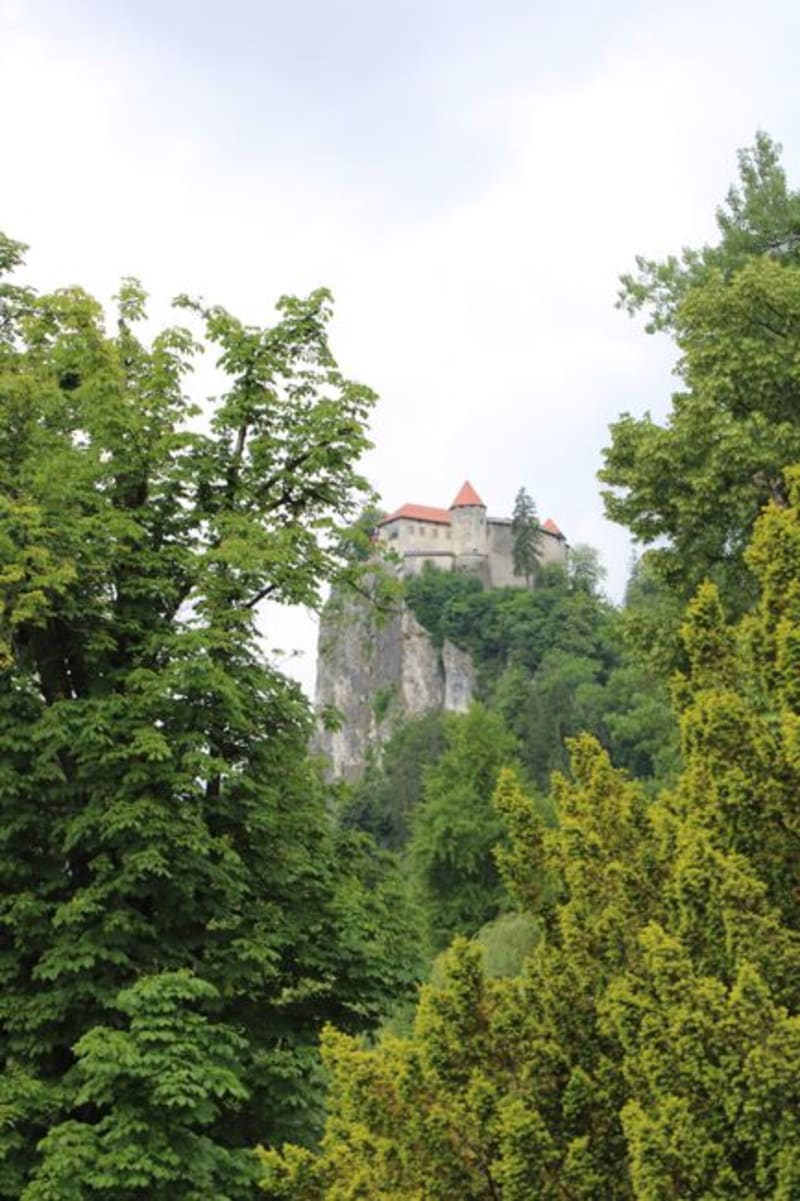 slovenia
 Bled Castle
The oldest castle in Slovenia, perched on a hundred-meter cliff above the lake, offering the one view of Bled that Bled itself can never give you — of Bled.
Explore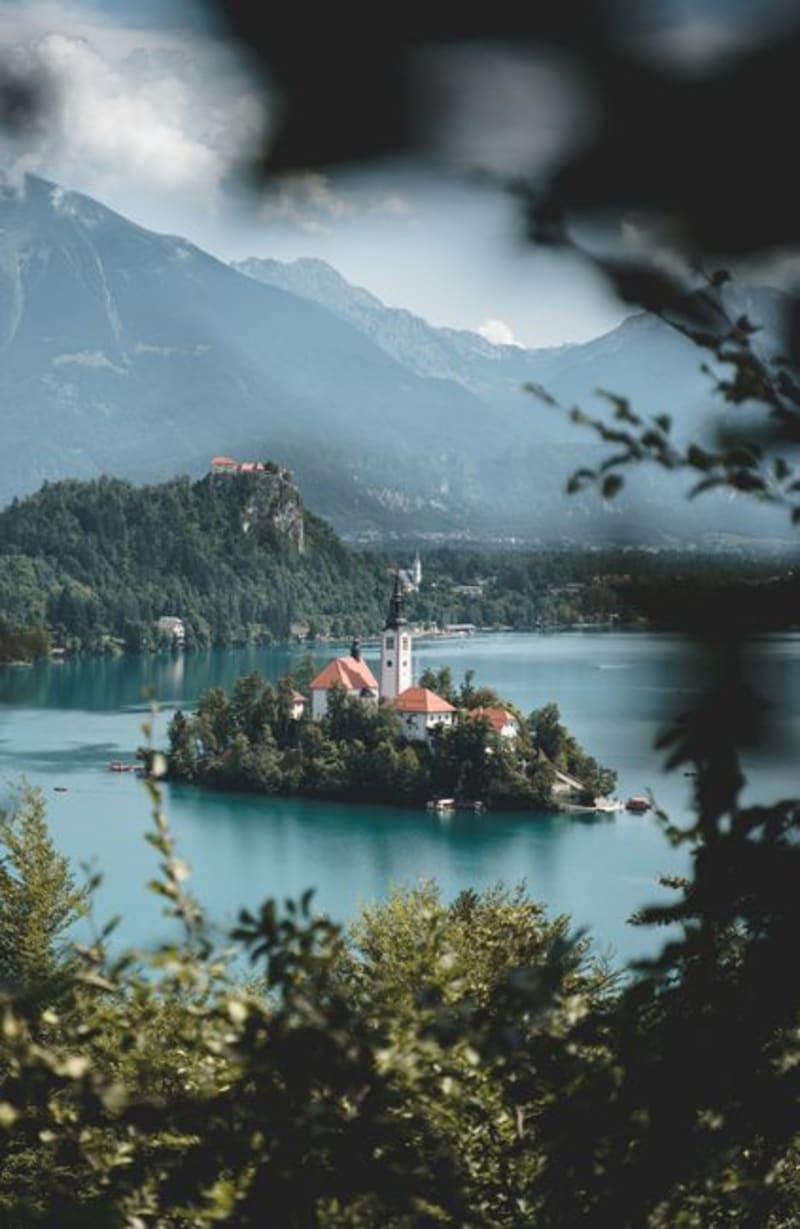 slovenia
 Bled Island
Slovenia's only natural island, home to a baroque church, ninety-nine stone steps, and a wishing bell that has been ringing wedding vows into existence for centuries.
Explore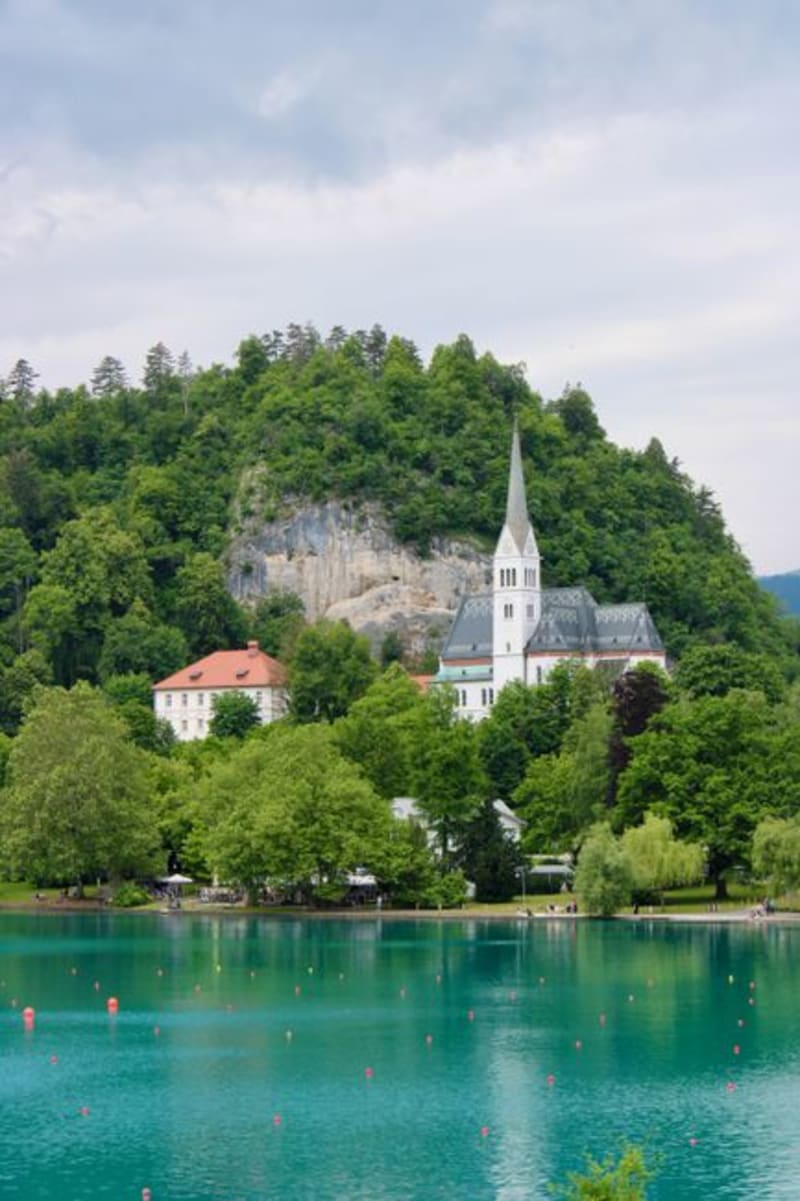 slovenia
 Bogojina
A small Prekmurje village whose parish church, rebuilt by the architect Jože Plečnik, hides one of the most unexpectedly beautiful interiors in the country behind an unassuming brick exterior.
Explore