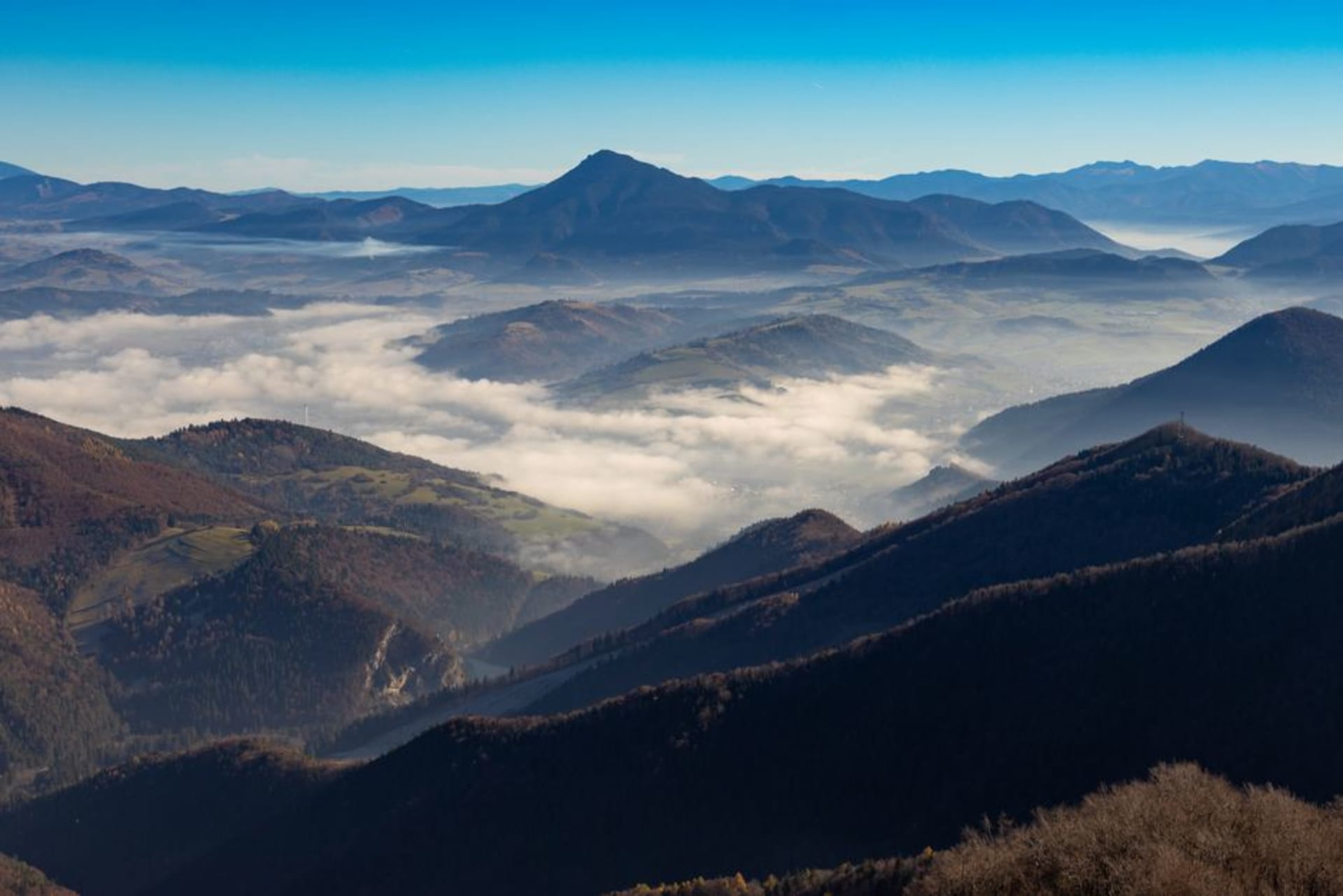
A wind-scoured wine valley between the Alps and the Karst, where the same violent bora that terrifies drivers also produces some of Slovenia's most distinctive white wines.
We arrived in the Vipava Valley on a day the bora was blowing, and within the first hour I understood why every local we met asked about it before asking anything else. The bora is a cold, violent wind that funnels down off the Nanos plateau into the valley, sometimes strong enough to close roads and tip over trucks — there are actual metal windbreak fences along stretches of highway here, built specifically to keep vehicles on the tarmac. We’d parked the car facing into it out of some instinct, and even so I heard it rock gently on its suspension for most of the afternoon.
Wine That the Wind Makes Possible
What the bora also does, less dramatically, is keep the valley’s vineyards dry and disease-free, which is a large part of why Vipava has quietly become one of Slovenia’s best wine regions without the reputation of Brda further west. We stopped at a small family estate recommended by a friend in Ljubljana, tasted a Zelen — a grape variety that exists almost nowhere outside this valley — and a Pinela that tasted faintly of green apple and something mineral I couldn’t place. The winemaker, an older man with forearms like rope, told us the wind was the reason his grandfather’s vines never rotted, delivered with the weary pride of someone who has explained this exact thing many times before.
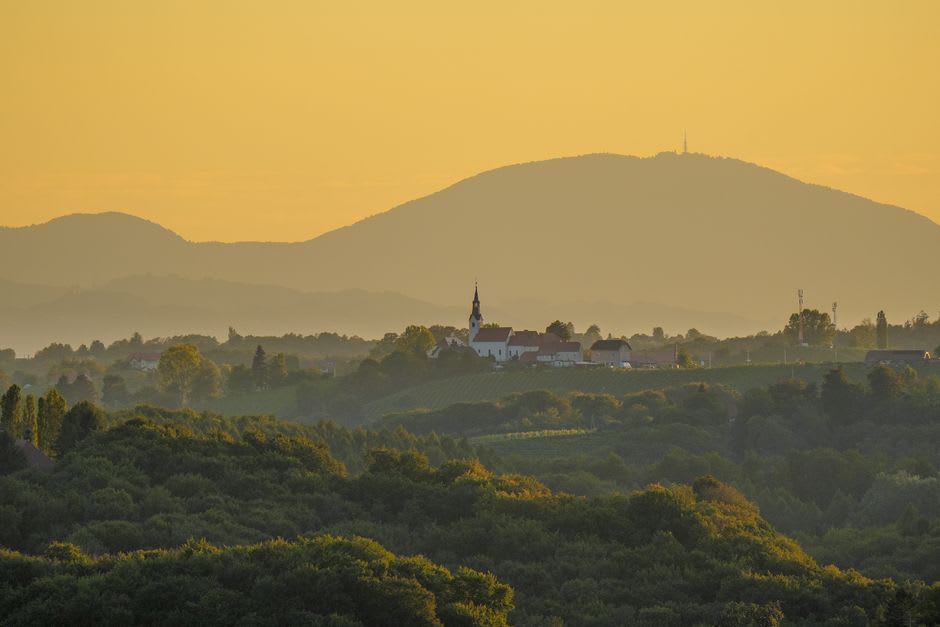
Villages Built Low and Close
The villages here are built low and tight against the hillsides, a defensive posture against the wind that gives them a huddled, medieval feel even where the buildings themselves are more recent. We wandered through Vipava town itself, past the source of the Vipava River — several springs emerging directly from a limestone cliff face into a pool clear enough to see every pebble on the bottom — and ate lunch at a small inn serving pršut, the local air-dried ham, cured in exactly the wind that makes everything else here difficult.
Cycling Between Cellars
Lia had the idea to rent bikes for an afternoon and ride between three small cellars along a valley loop, which worked beautifully right up until the wind picked up again around four o’clock and turned the return leg into something closer to a headwind training session than a leisurely ride. We made it back sunburnt, slightly drunk on Zelen, and laughing about how a valley this pretty could also be trying, in some small way, to actively push you out of it.
When to go: April through June and September through October, avoiding both summer heat and the strongest winter bora, though the wind can appear at any time of year. Harvest season in September brings the valley’s wine cellars fully to life.
Keep exploring
More from Slovenia
 slovenia
 Vogel
A cable car climbing 1,000 meters above Lake Bohinj to a ski station turned summer viewpoint, where the whole Julian Alps range spreads out at once.
Explore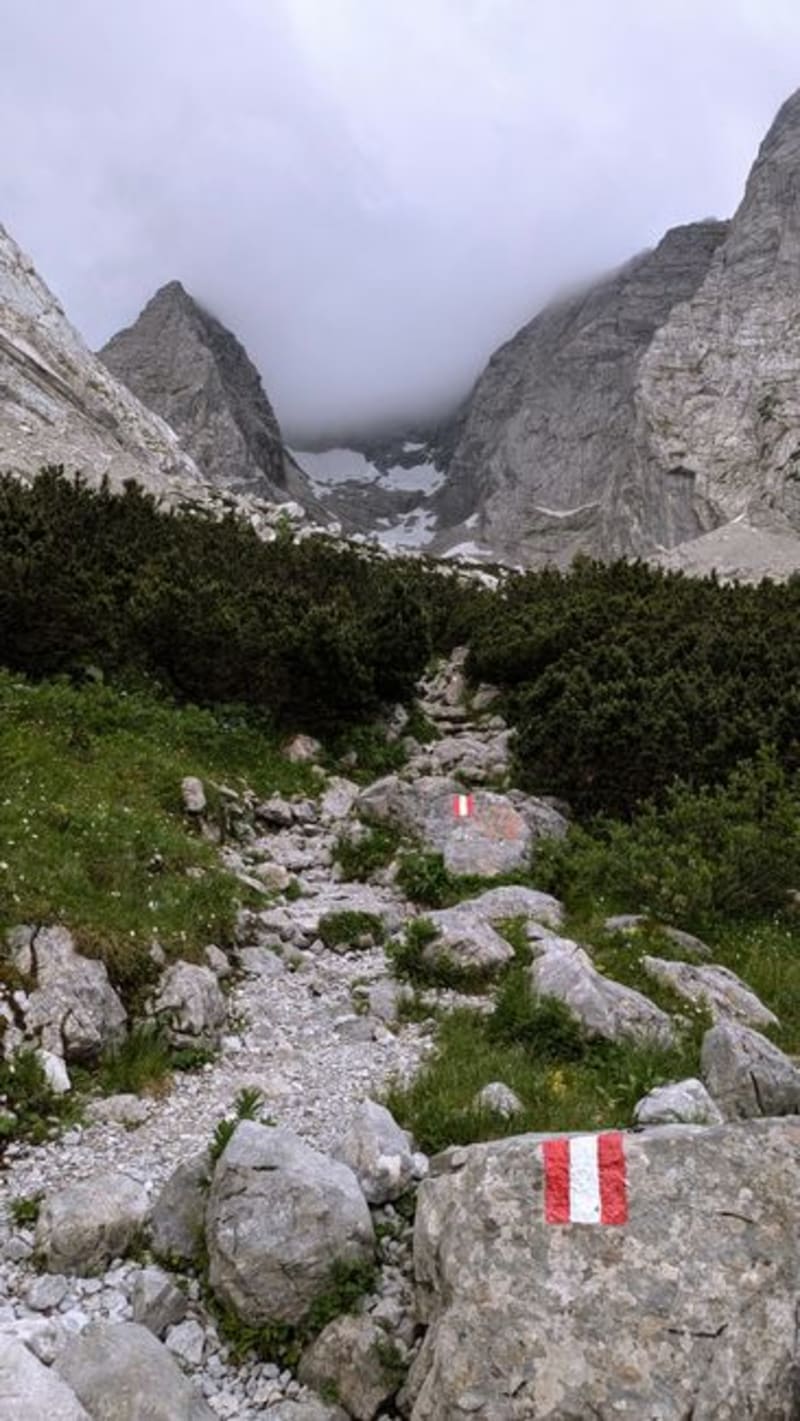 slovenia
 Vršič Pass
Fifty hairpin turns over the highest road pass in the Julian Alps, built by Russian prisoners of war and driven today for the view, not the destination.
Explore slovenia
 Žužemberk
A ruined medieval fortress rebuilt after wartime destruction stands guard over the Krka River in southern Dolenjska, one of the region's most photogenic and least-crowded castle ruins.
Explore slovenia
 Ankaran
A sleepy former monastery town at the northern edge of the Slovenian coast, with the country's best sandy beach and almost none of its tourist traffic.
Explore slovenia
 Bela Krajina
Slovenia's southernmost, sunniest, and most overlooked wine region, where the Kolpa river forms a natural border with Croatia and traditions survive that vanished everywhere else generations ago.
Explore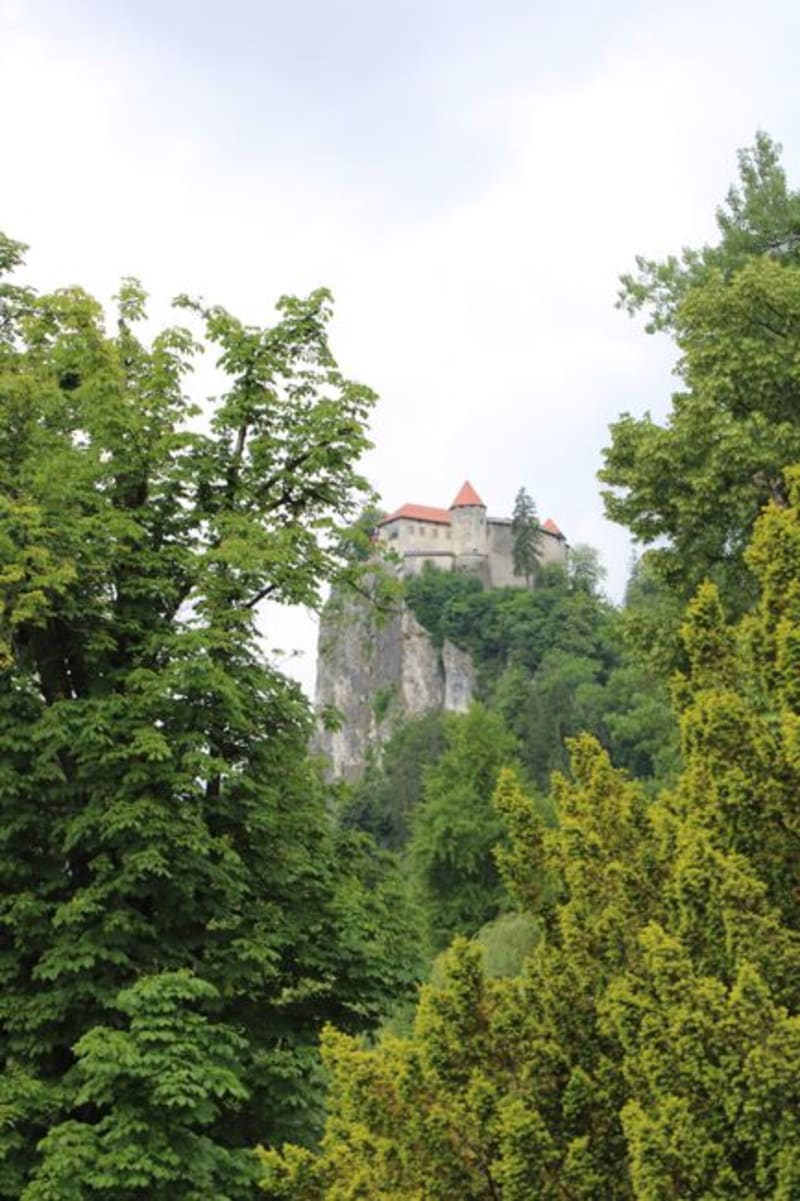 slovenia
 Bled Castle
The oldest castle in Slovenia, perched on a hundred-meter cliff above the lake, offering the one view of Bled that Bled itself can never give you — of Bled.
Explore