Slovenske Konjice
"The monks are long gone, but the vines they planted are still being harvested every autumn."
A small wine town under the Pohorje foothills, home to Slovenia's oldest working winery and the haunting ruins of a Carthusian monastery in the hills above.
We came to Slovenske Konjice for the wine and stayed for the monastery, which is more or less the opposite of what I expected. This is a small town wedged between the Dravinja valley and the forested edge of the Pohorje massif, unassuming from the main road, but it turned out to be one of the most rewarding half-days of the whole Štajerska trip.
Slovenia’s Oldest Winery
Zlati Grič, on the edge of town, claims the title of oldest continuously operating winery in Slovenia, with cellars and vineyard traditions tracing back to the monks of Žička Kartuzija. We took the tour more out of curiosity than expectation and ended up in a barrel cellar that smelled overwhelmingly of oak and fermented grape skins, walls lined with dusty bottles going back further than either of us could really process.
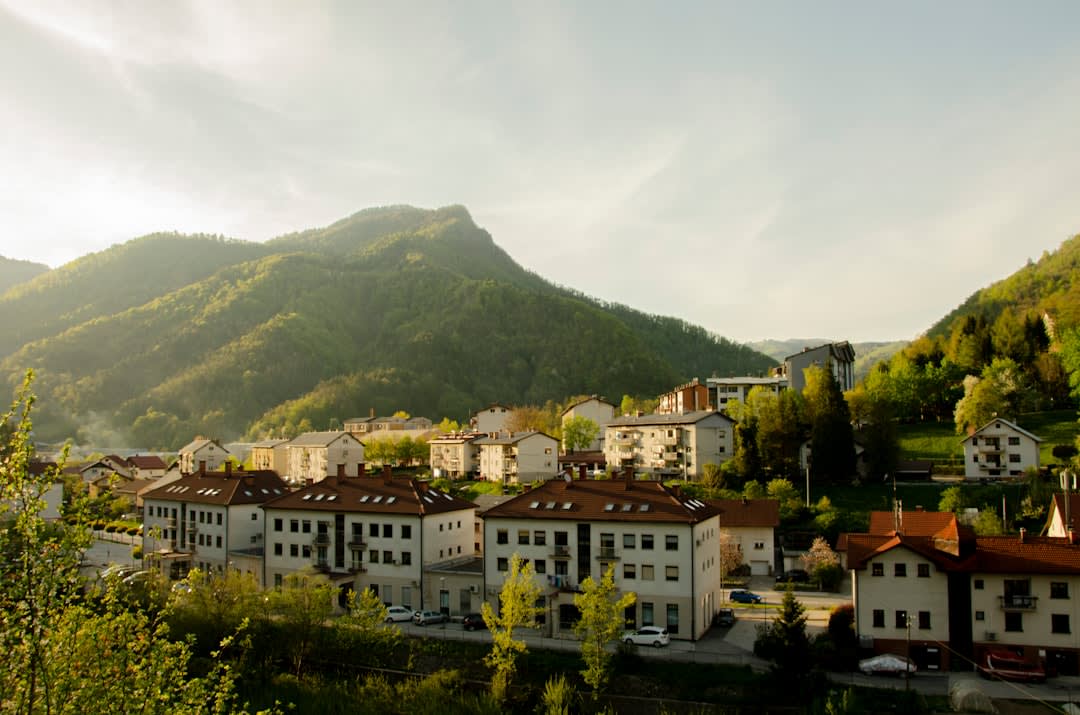
The tasting afterward included a Sauvignon and a Rebula that were both sharper and more mineral than I expected from a region I’d underrated before this trip. Lia bought a bottle of Zweigelt, mostly because she liked the label, and it turned out to be one of the better reds we drank in Slovenia.
The Ruins in the Forest
But it was Žička Kartuzija — the Carthusian monastery ruins a few kilometers up into the hills — that stayed with me longest. Founded in 1160-something, it was once the largest Carthusian monastery in Central Europe, and what’s left now is a strange, moving half-ruin: a Baroque church still standing more or less intact, surrounded by the low stone footprints of monks’ individual cells, scattered through quiet forest clearings.
We were nearly alone there on a weekday afternoon, just birdsong and the sound of our own footsteps on gravel paths between the cell foundations. Carthusians lived in near-total silence and solitude, each monk alone in his own small house with a garden, meeting only for prayer — and standing in the ruins of that isolation, in a forest this quiet, I understood the impulse a little better than I expected to.
When to go: September to October for harvest at the wineries, or late spring when the forest around the monastery ruins is at its greenest and the walk up feels less like a chore and more like the point.
Keep exploring
More from Slovenia
 slovenia
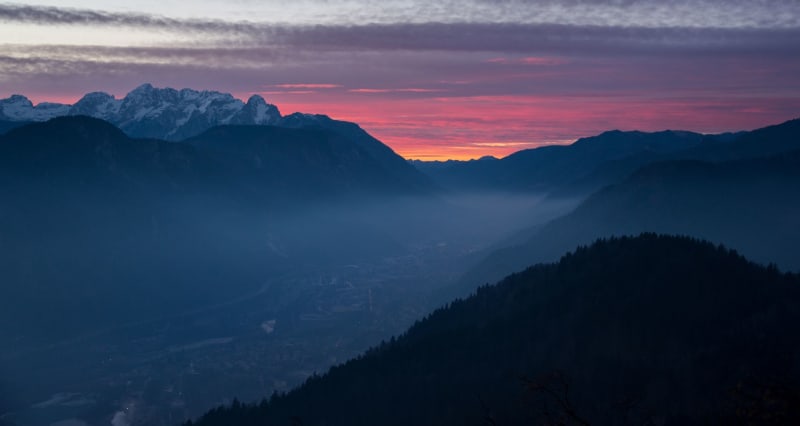
 Soča Valley
A glacially carved corridor in the Julian Alps where the river runs an impossible shade of jade and every bend in the road carries the weight of a forgotten war.
Explore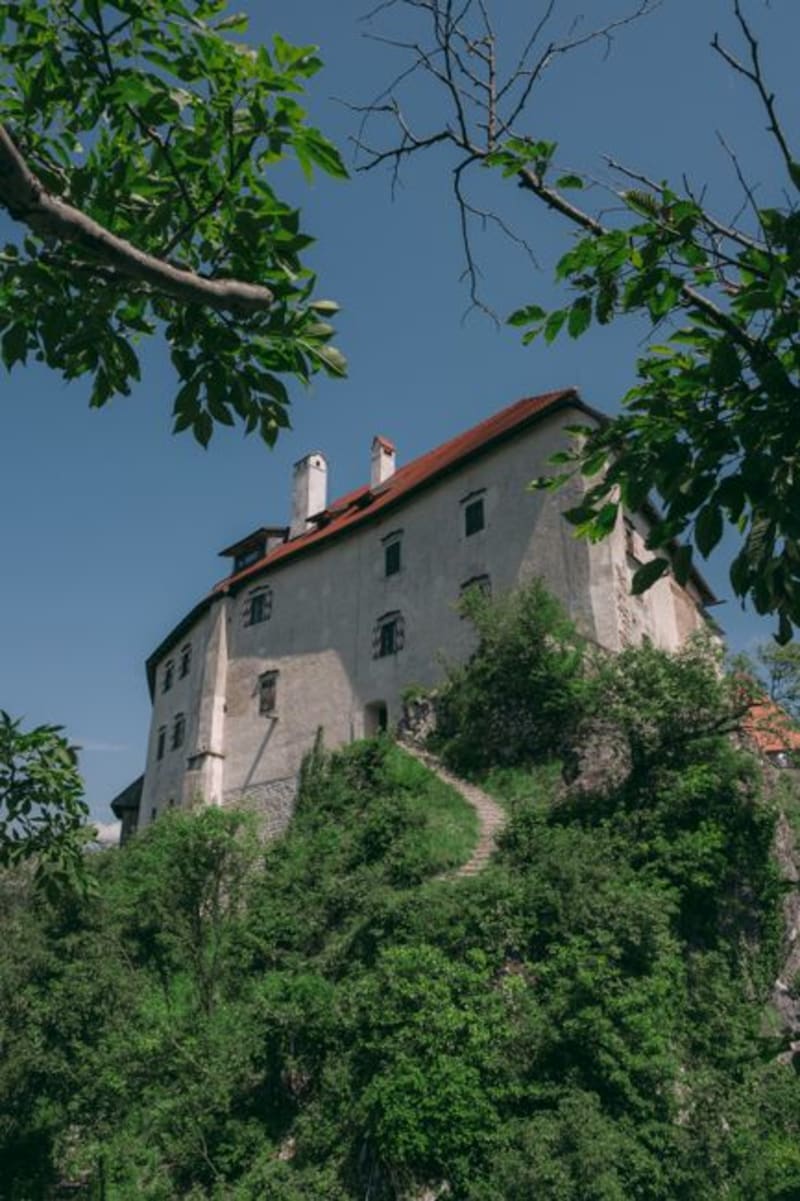 slovenia
 Socerb Castle
A clifftop ruin on the edge of the Karst plateau with a view over the Gulf of Trieste that stretches into three countries, and a cave beneath it once mistaken for the entrance to the underworld.
Explore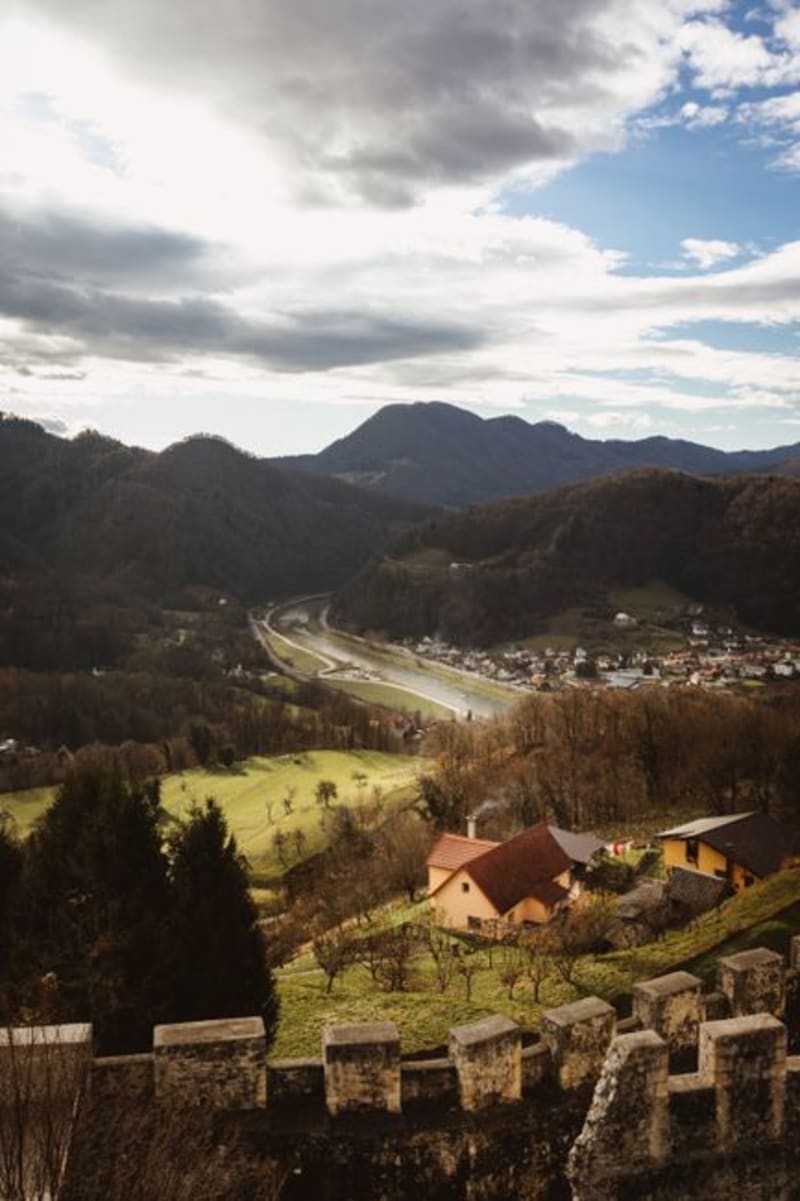 slovenia
 Solčava
A tiny village at the head of the Upper Savinja Valley, the last settlement before the mountains take over completely, and the starting point of one of the most spectacular panoramic drives in the Alps.
Explore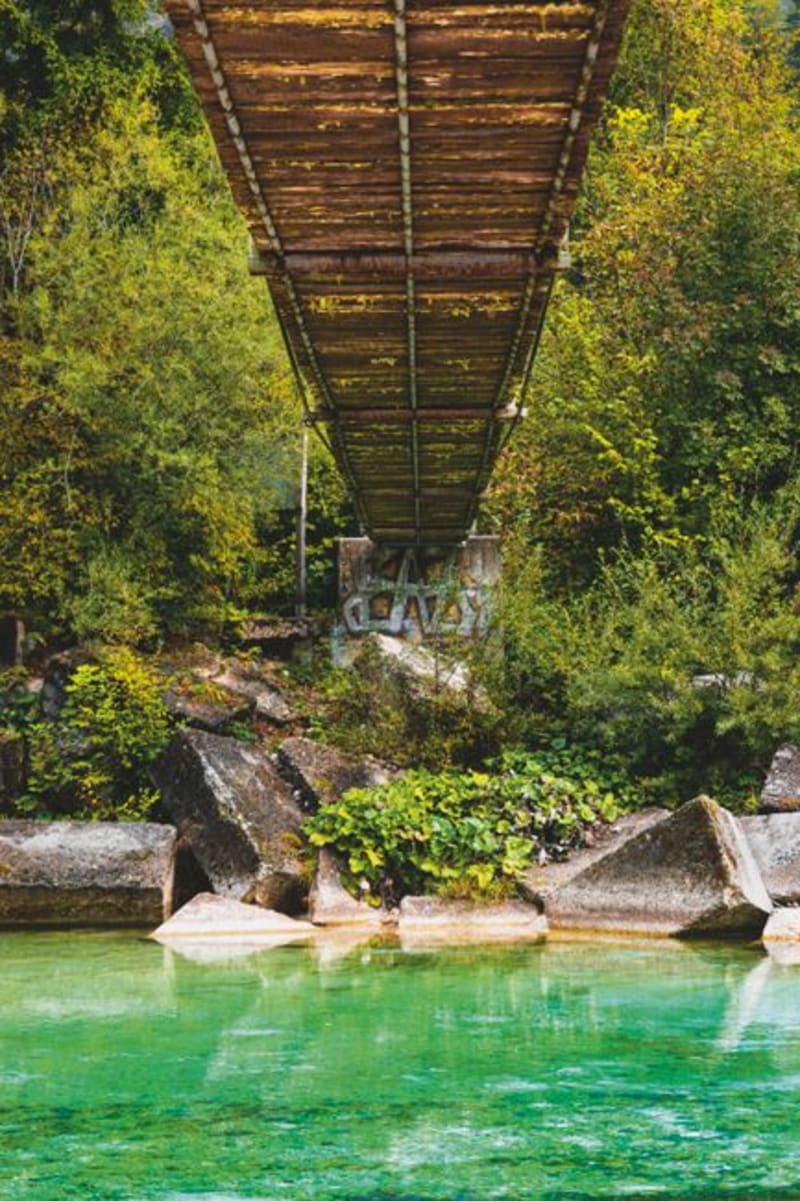 slovenia
 Solkan Bridge
The largest stone railway arch bridge in the world, spanning the Soča near Nova Gorica in a single elegant span that has carried trains across the river since 1906.
Explore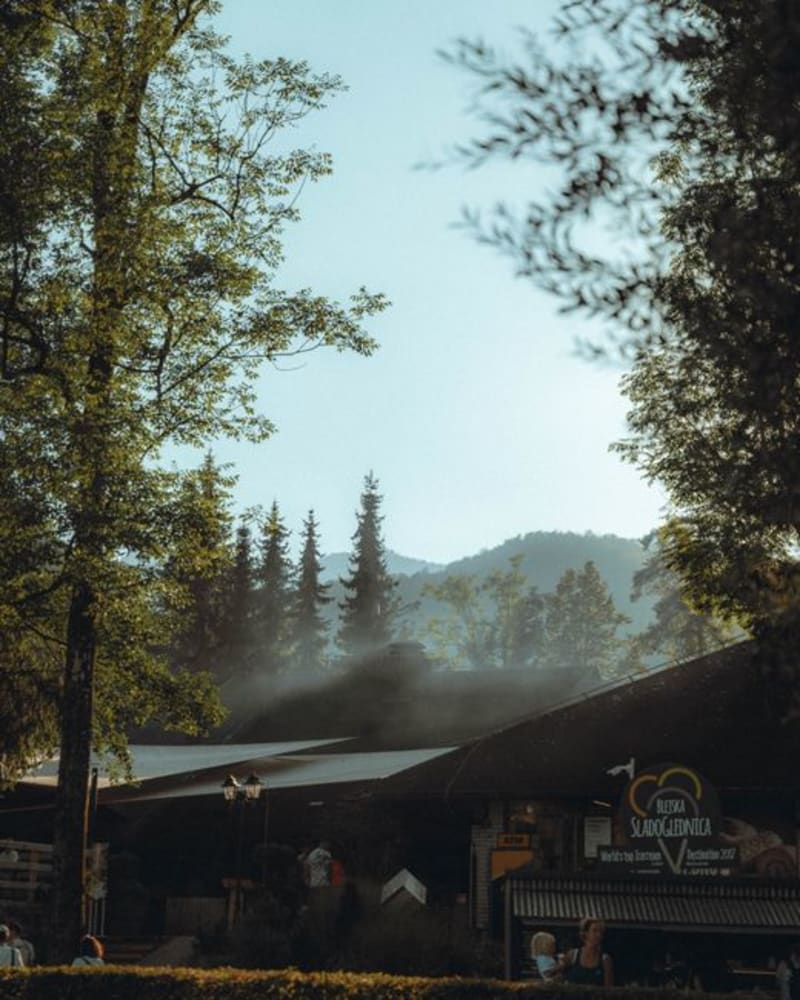 slovenia
 Štanjel
A karst hill village so tightly stacked in pale stone that it looks fused to the rock beneath it, with a modernist garden by architect Max Fabiani tucked improbably into its medieval core.
Explore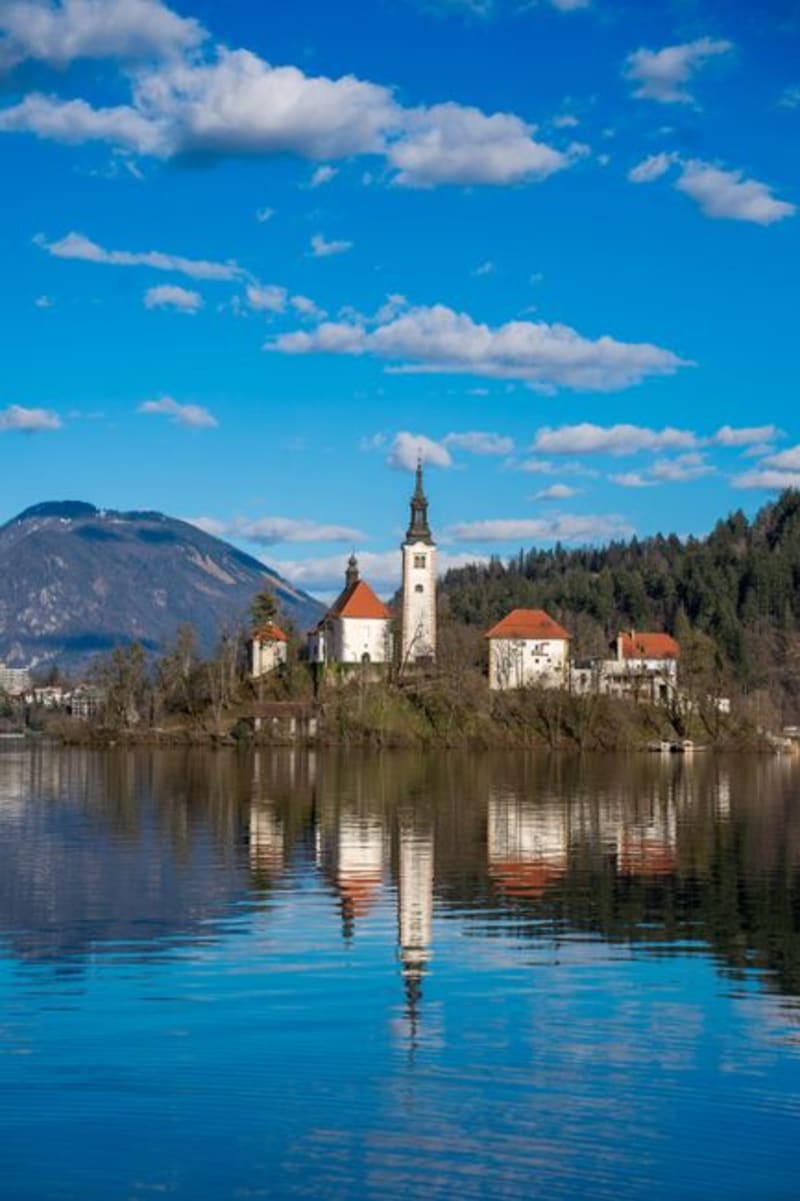 slovenia
 Straža Bled
A modest hill on the edge of town with a summer toboggan run, a treetop walkway, and a view of the lake that requires none of Ojstrica's scramble to reach.
Explore