
A vast forested massif above Maribor with hidden waterfalls, a peat bog boardwalk, and a ski resort that empties out entirely once the snow melts, leaving the whole mountain to hikers and mountain bikers.
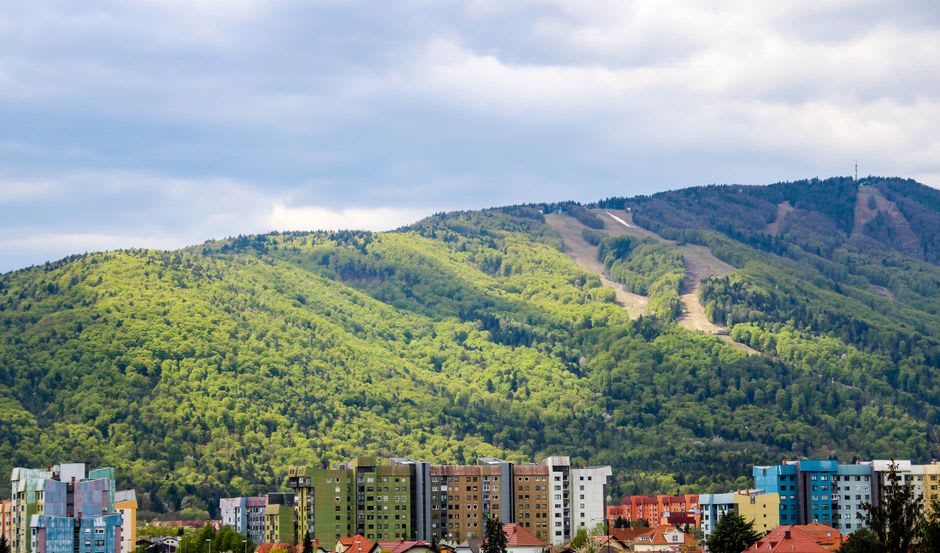
Everyone we met in Maribor talked about Pohorje the way people talk about a good local restaurant — casually, assuming you’d get there eventually, never with the urgency reserved for Bled or the Soča. We took the cable car up from town on a Tuesday morning in September and had entire stretches of forest trail without seeing another person, which for a mountain fifteen minutes from Slovenia’s second city seemed almost like an oversight on the region’s part.
A Massif, Not a Peak
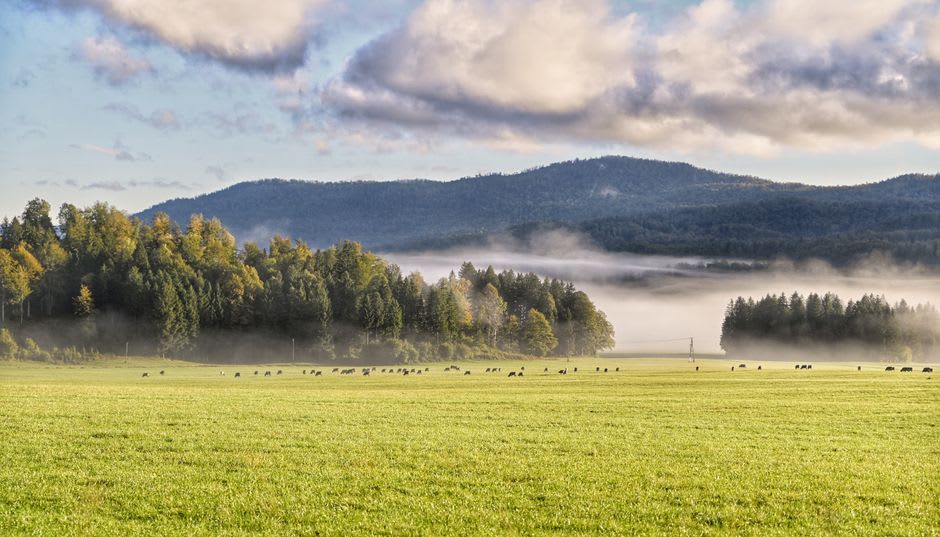
Pohorje isn’t a single dramatic summit the way Triglav is — it’s a broad, rolling forested massif stretching roughly forty kilometers, its highest point, Črni Vrh, topping out at a modest 1,543 meters. That gentleness is the appeal. The forest here is thick, mostly spruce and beech, laced with streams and old logging tracks that have become hiking and mountain biking trails, and it never demands the technical seriousness that the Julian Alps do. You can walk for hours and the terrain stays forgiving.
Waterfalls Nobody Queues For
The Šumik waterfalls, a pair of drops on the Lobnica stream in the Šumik Forest Reserve, sit within one of Slovenia’s oldest protected old-growth forests — trees left uncut since 1893, some genuinely enormous, moss thick enough on the north-facing bark to look upholstered. The Great Šumik waterfall drops about 24 meters in a single fall into a plunge pool ringed by beech, and we had it entirely to ourselves on an early afternoon, eating apples on a flat rock and listening to nothing but water and wind moving through very old trees.
A Bog With a Boardwalk
Near the resort area of Rogla, a raised wooden boardwalk crosses Šijec, a genuine sphagnum peat bog — an oddity this far south, a relic ecosystem more associated with Scandinavia than Slovenia. Carnivorous sundew plants grow along the boardwalk edges if you look closely enough, and the exposed peat has a dark, almost burnt smell that’s unlike anything else in the surrounding forest. It’s a strange, small detour, maybe forty minutes round trip, and worth doing precisely because so few visitors bother.
Summer After the Snow Melts
Pohorje runs a serious ski operation in winter, but by June the lifts either shut down or pivot to summer service for mountain bikers, and the resort infrastructure — restaurants, the cable car, a few adventure-park attractions — keeps running at a fraction of winter capacity. This is, unexpectedly, the better season to visit if solitude matters to you: full forest access, working lift infrastructure, and almost none of the winter crowd.
When to go: June through September for hiking, the waterfalls, and the bog boardwalk, when trails are dry and the forest is at its fullest green. December through March for skiing, if that’s the goal instead.
Keep exploring
More from Slovenia
 slovenia
 Pokljuka Plateau
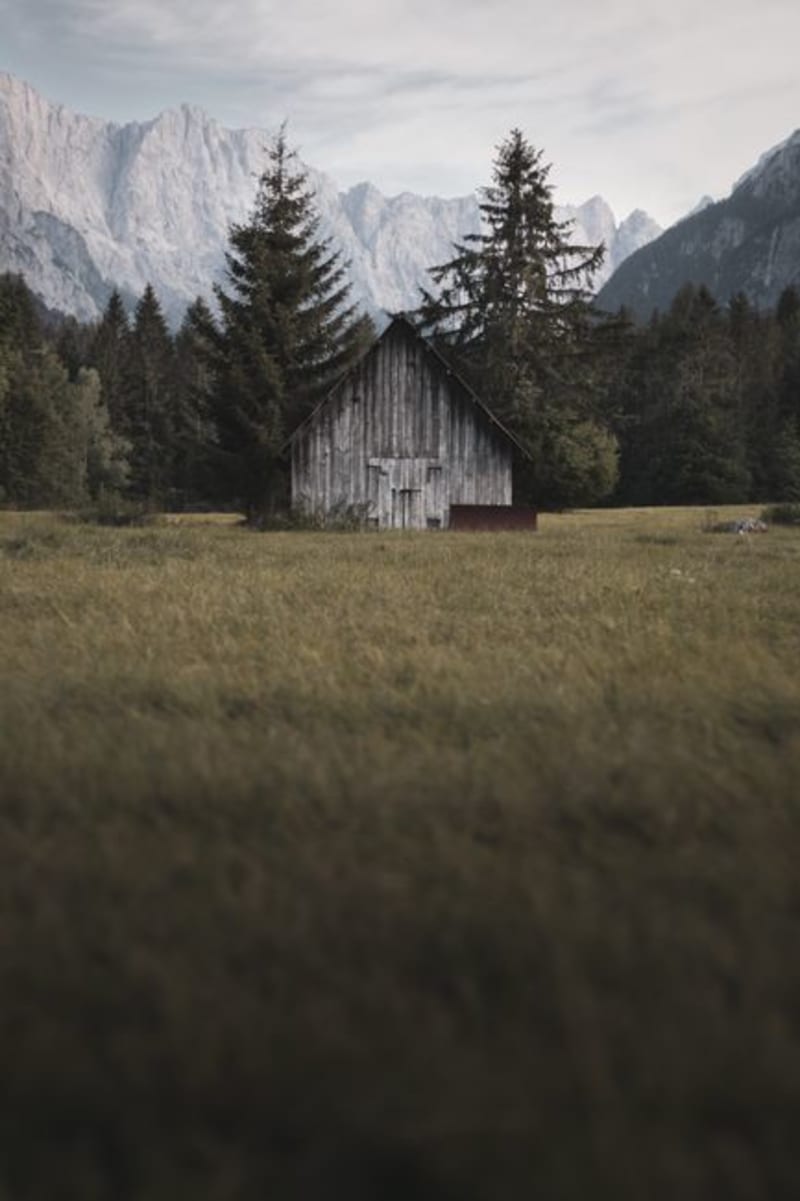
A high limestone plateau of pine forest and quiet mountain lakes between Bled and Bohinj, better known to biathlon fans than to most travelers passing through the valley below.
Explore slovenia
 Portorož
Slovenia's only proper seaside resort town — a strip of belle-époque hotels, casinos, and a genuinely excellent thalassotherapy tradition, ten minutes and a world away from Piran.
Explore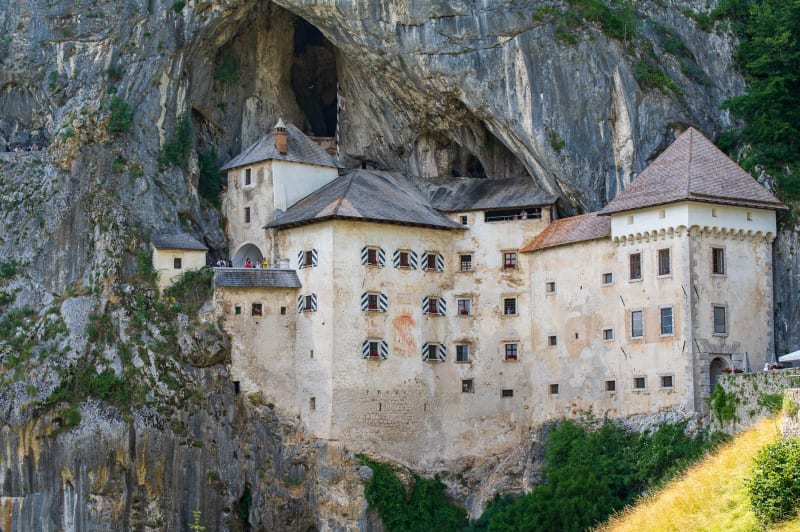 slovenia
 Postojna Cave
Europe's most elaborate cave system pulls you underground by electric train into a world of cathedral-scale caverns, otherworldly formations, and a blind, pale amphibian that has lived in the dark for so long it forgot what eyes were for.
Explore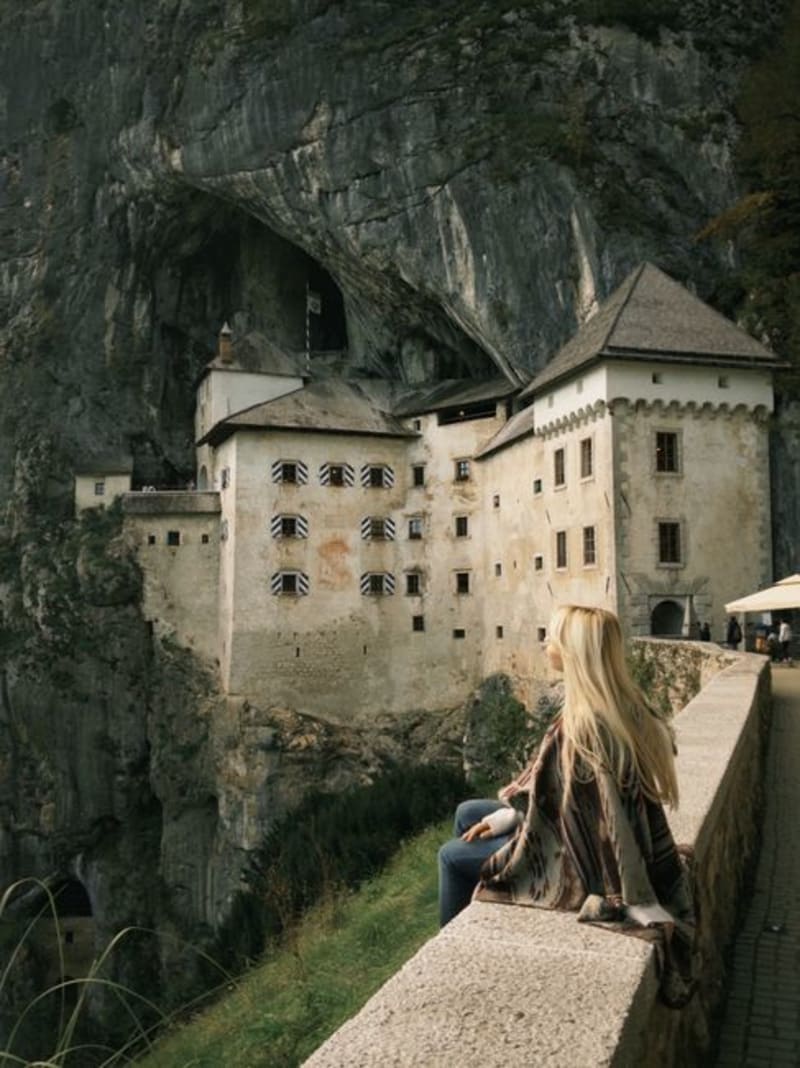 slovenia
 Predjama Castle
A Renaissance castle built directly into the mouth of a cave halfway up a 123-meter cliff, home to a robber knight who held off a Habsburg army for over a year using tunnels no besieger ever found.
Explore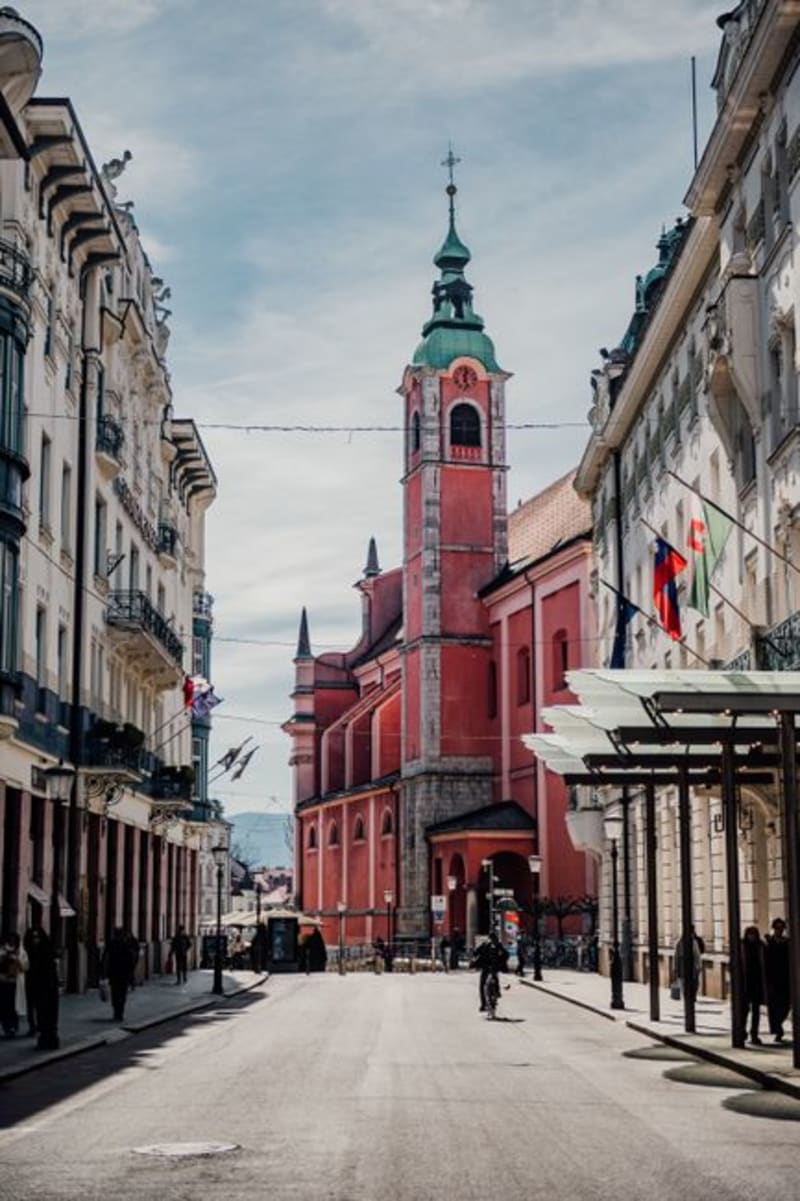 slovenia
 Prešeren Square
Ljubljana's beating central plaza, where a pink Franciscan church faces down a poet's statue and every street in the old town seems to begin.
Explore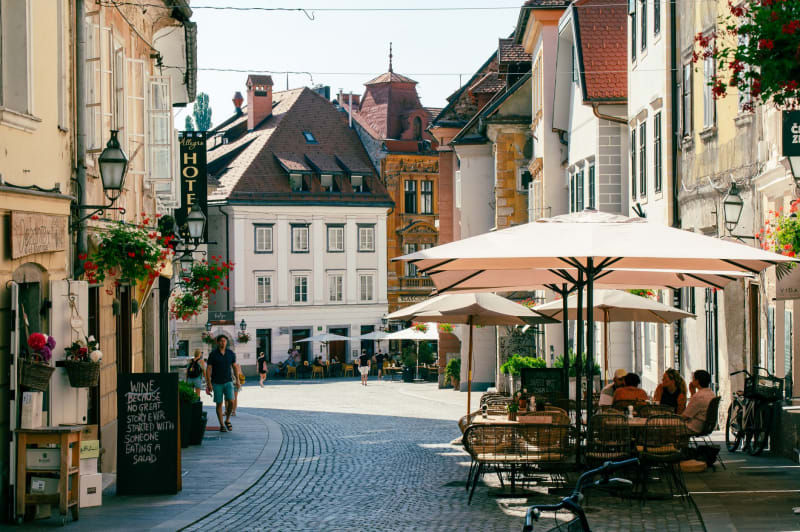 slovenia
 Ptuj
Slovenia's oldest town sits on the Drava River beneath a castle hill, carrying two thousand years of Roman, medieval, and Styrian wine culture with the quiet confidence of somewhere that has never needed to advertise itself.
Explore