Moravske Toplice
"The water here is black, warm, and older than most of Europe's borders — I floated in it for two hours and thought about nothing at all."
A thermal spa town in the flat farmland of Prekmurje where black, mineral-rich water bubbles up from two kilometers underground and the pace of life drops to match the temperature of the pools.
Prekmurje does not look like the Slovenia on postcards. There are no mountains here, no turquoise rivers cutting through limestone gorges — just flat farmland, storks nesting on chimneys, and roads that run dead straight between fields of wheat and pumpkin. It’s the part of the country most visitors skip entirely, tucked east of the Mura River against the Hungarian border, and that’s exactly why Lia and I ended up loving it. We came for the thermal water and stayed for the sense that we’d found a Slovenia nobody else was bothering to see.
Water From Two Kilometers Down
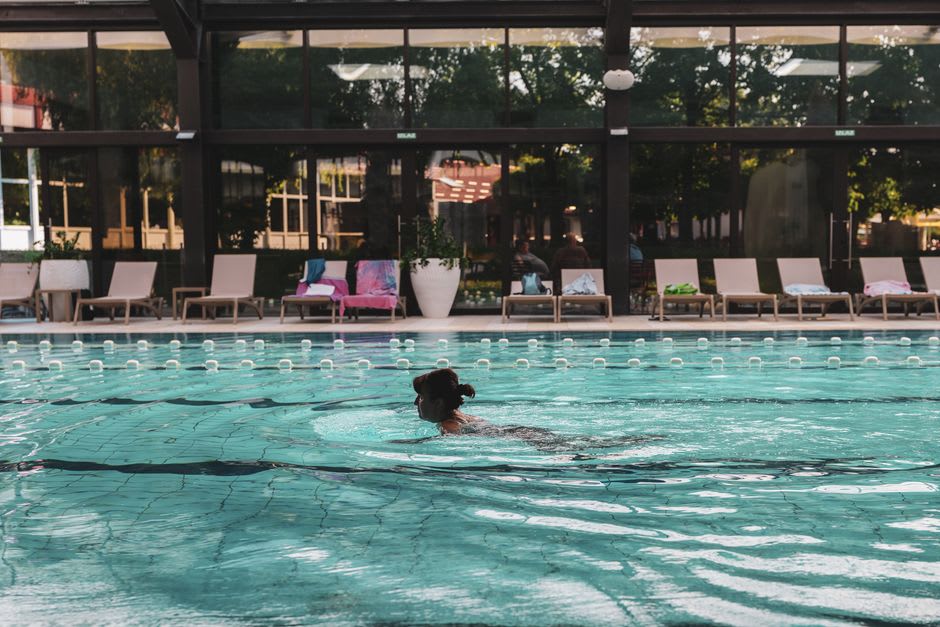
Moravske Toplice’s thermal water is genuinely strange. It’s pumped from nearly two kilometers underground, comes out black or dark amber depending on the mineral load, and carries a faint smell of the deep earth it spent millennia in. The main spa complex — Terme 3000 — is a sprawling, slightly dated-feeling place with indoor and outdoor pools, but the water itself does the work. I’m not usually a spa person; I get restless after twenty minutes of sitting still in warm water. Here I lasted two hours without noticing, drifting between an outdoor pool steaming against the cold morning air and an indoor one lit orange by the mineral tint.
The Villages Around It
What I didn’t expect was how much I’d enjoy the villages surrounding the spa. Prekmurje architecture has its own quiet character — long, low farmhouses with wooden granaries called kašče, storks nesting on chimneys and utility poles from April through August, vineyards on the low hills toward the Hungarian border planted with grapes I’d never heard of before this trip. We rented bikes for an afternoon and rode through Filovci, a village known for black pottery — a specific local craft where the clay is fired in a way that turns it a deep charcoal color rather than terracotta. I bought a small jug from a workshop that’s been in the same family for generations, more out of guilt at having interrupted the potter’s afternoon than any real need for a jug, and it’s sat on our shelf in Mexico ever since as one of those objects that instantly recalls a place.
Prekmurska Gibanica
No discussion of this region is honest without mentioning gibanica, the layered pastry native to Prekmurje — poppy seed, walnut, apple, and cottage cheese stacked between filo and baked until the layers set into something between cake and strudel. It has protected geographical status in the EU, which tells you how seriously Slovenians take it. I had a slice at a small guesthouse restaurant near the spa with coffee that was somehow both too weak and completely satisfying, and asked for a second slice within ten minutes. Lia, more disciplined than me, made do with one.
The Pace of the Place
There isn’t a single dramatic sight in Moravske Toplice — no castle on a cliff, no cave system, no glacial lake. What there is instead is a slowness that felt earned after two weeks of moving through the Julian Alps and the coast at a fairly relentless clip. We did almost nothing for two days. It was exactly the right amount of nothing.
When to go: The spa operates year-round and is arguably best in the cold months, when the contrast between the winter air and the thermal water is sharpest. Storks are visible April through August if wildlife-watching is part of the appeal. Avoid peak Slovenian summer holiday weeks in July when the outdoor pools get crowded with domestic tourists.
Keep exploring
More from Slovenia
 slovenia
 Most na Soči
A small town where two rivers meet in a Y-shaped turquoise lake, holding one of the oldest prehistoric burial sites in Europe on the hill above it.
Explore slovenia
 Mostnica Gorge
A narrow limestone slot carved by a glacial stream at the gateway to the Voje Valley, quiet enough that the loudest thing in it is the water.
Explore slovenia
 Nova Gorica
A planned socialist-era border town built to answer Italy's Gorizia across the frontier, now with a shared central square that erases the line between the two countries entirely.
Explore slovenia
 Novo Mesto
Dolenjska's low-key regional capital wraps around a horseshoe bend of the Krka River beneath a baroque cathedral, functioning as an unpretentious working town rather than a tourist set piece.
Explore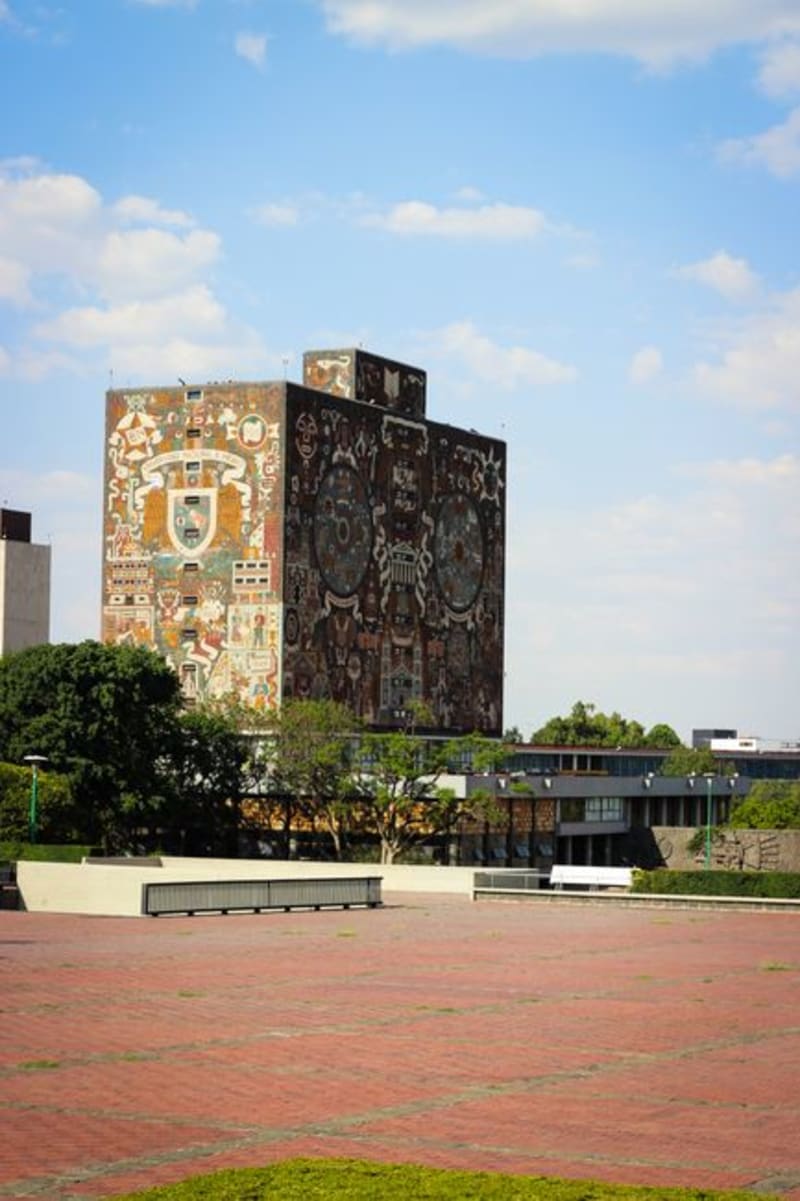 slovenia
 National and University Library
Jože Plečnik's masterpiece, a brooding brick-and-stone building where dark reading rooms and a theatrical staircase turn a library into architecture worth a detour.
Explore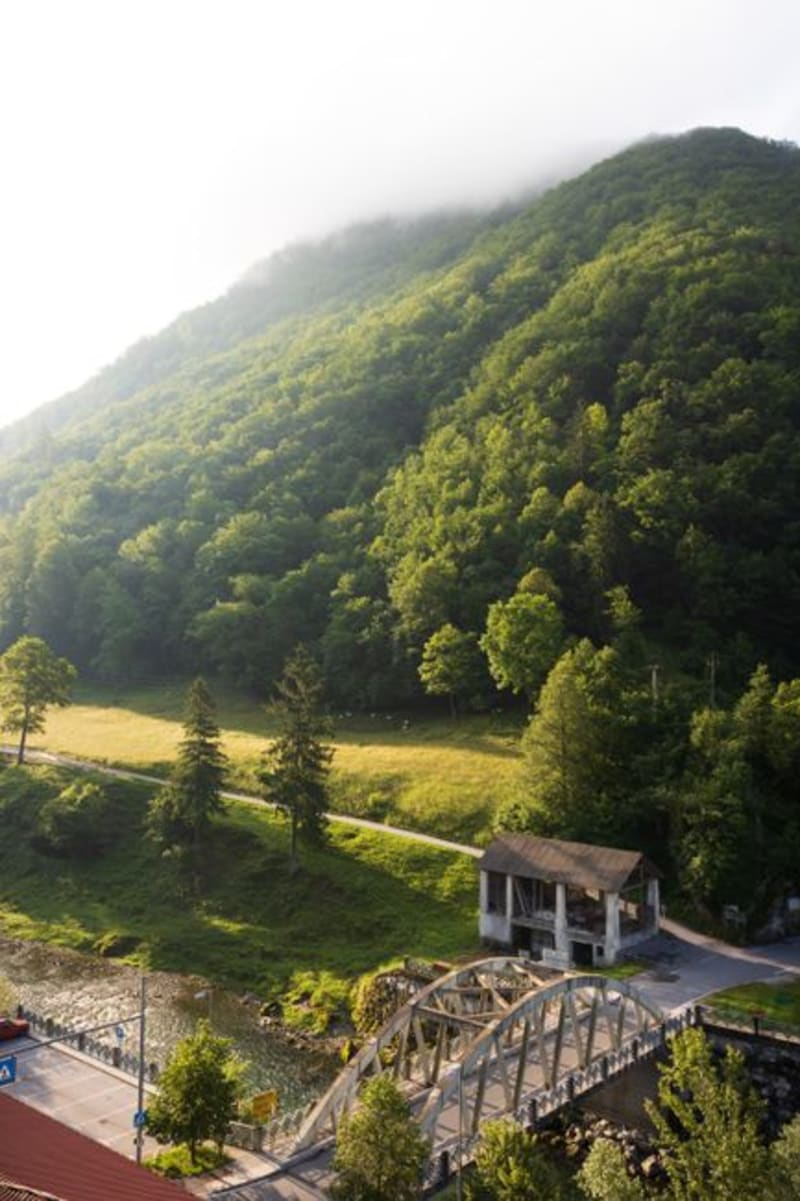 slovenia
 Ojstrica Viewpoint
A narrow rock ledge above Lake Bled that delivers the single most photographed angle in Slovenia, reached by a scramble steep enough to keep most of the crowd at the bottom.
Explore