Lipica Stud Farm
"The horses are born almost black and take years to turn the white everyone recognizes."
The 16th-century home of the Lipizzaner horse, where white stallions bred for Habsburg court riding schools still graze the karst pastures that gave the breed its name.
I knew the word Lipizzaner before I knew where it came from — from footage of the Spanish Riding School in Vienna, all white horses and chandeliers and centuries of choreography. What I hadn’t known was that the breed’s name is just the place, unadorned: Lipica, a stretch of karst pasture in southwestern Slovenia where the Habsburgs founded a stud farm in 1580 and never really stopped running it.
A Working Farm, Not a Museum
Lipica is still an active stud farm, which changes the character of a visit considerably. You’re not touring a preserved historical curiosity — you’re watching farriers, trainers, and foals going about an operation that has run continuously for over four centuries, interrupted only by the two World Wars, during which the entire herd was evacuated to preserve the bloodline. The stables date to the 19th century and smell exactly like you’d expect working stables to smell, which is somehow reassuring after the caves and castles nearby, all curated stillness.
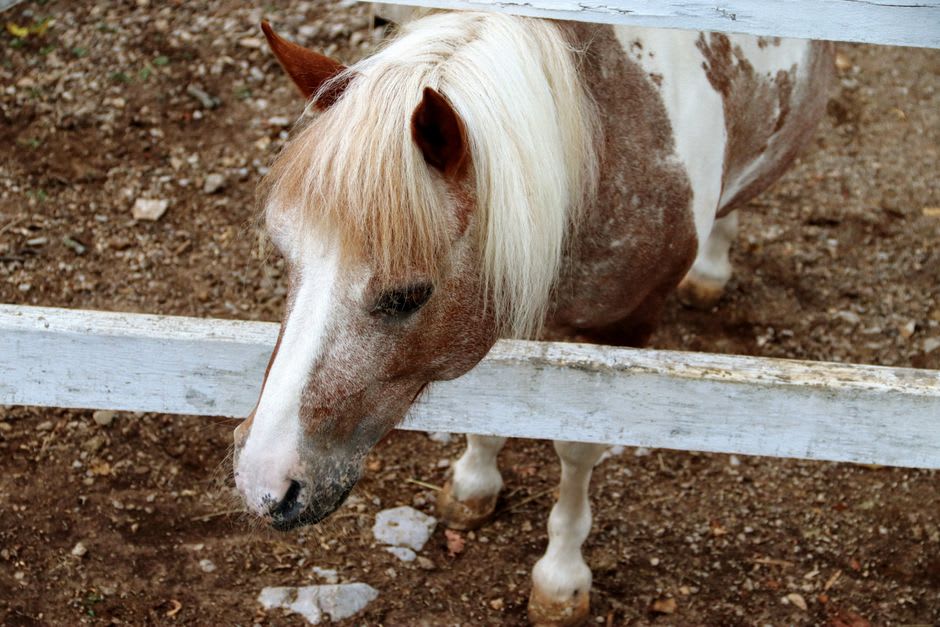
The Color That Isn’t There Yet
The detail that stuck with me: Lipizzaner foals are born dark bay or black, and only turn white gradually, over six to ten years, as they age. Walking the paddocks, you see the whole spectrum in one field — near-black yearlings next to dappled grey adolescents next to the fully white older stallions the breed is known for. It reframes the classical image entirely. The white is not the natural state; it’s the endpoint of a very slow process, and most of a Lipizzaner’s early life is spent looking like an entirely different animal.
We watched a training session in the riding hall where a young stallion was being worked through the basic exercises that eventually build toward the classical airs above the ground — the leaps and rears that the Vienna school is famous for. It was slow, repetitive, patient work, nothing like a performance, and more interesting for it.
The Karst Underneath
The farm’s name gave karst topography an indirect anchor point in the region’s identity — “lipa” meaning linden tree in Slovene, for the trees once planted here — and the pastureland itself sits on the same pale limestone plateau as Škocjan and Postojna, a reminder that this whole corner of Slovenia is one continuous geological story, of which the horses are just the most charismatic chapter.
When to go: April through October for full stud farm tours, carriage rides, and riding demonstrations; spring is best for seeing new foals, born between March and June.
Keep exploring
More from Slovenia
 slovenia
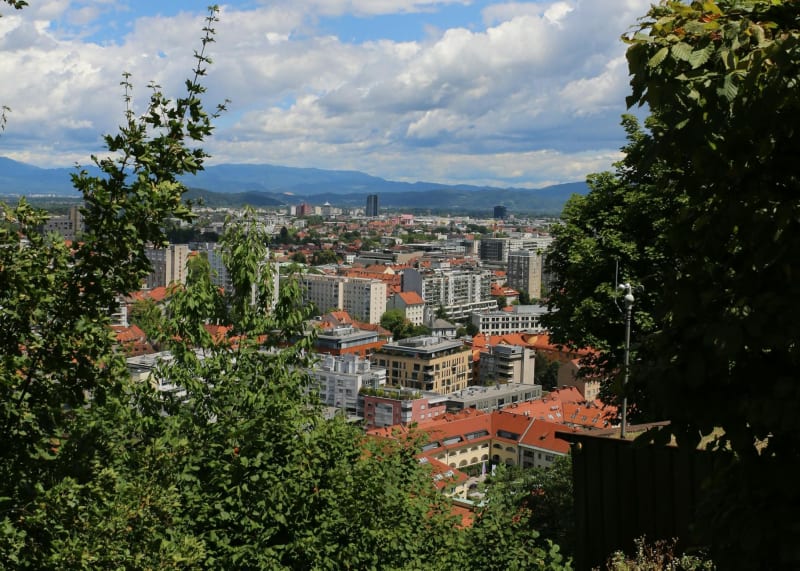
 Ljubljana
Europe's most livable small capital stretches lazily along the Ljubljanica, its castle-crowned hill watching over cafe-filled riverbanks.
Explore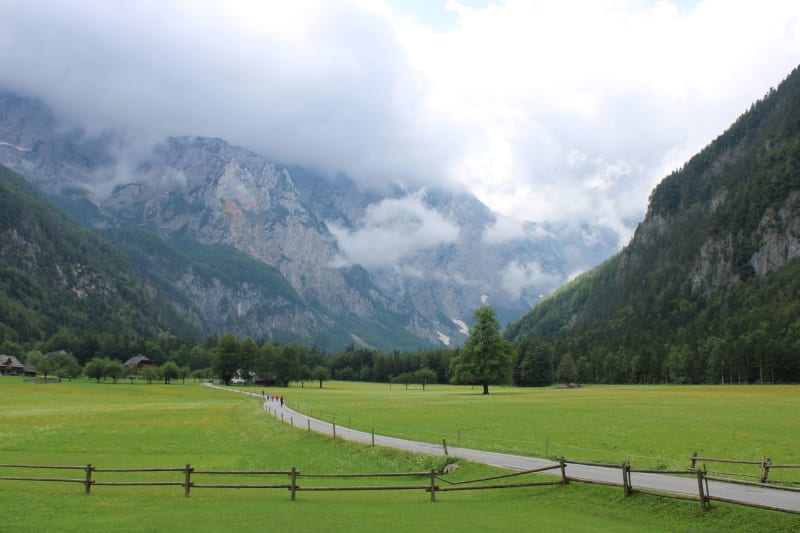 slovenia
 Logarska Dolina
A glacial valley tucked into the Savinja Alps where working farmsteads share meadows with 2,000-meter peaks and the only waterfall in Slovenia worth driving a narrow mountain road to reach drops 90 meters off a cliff into cold silence.
Explore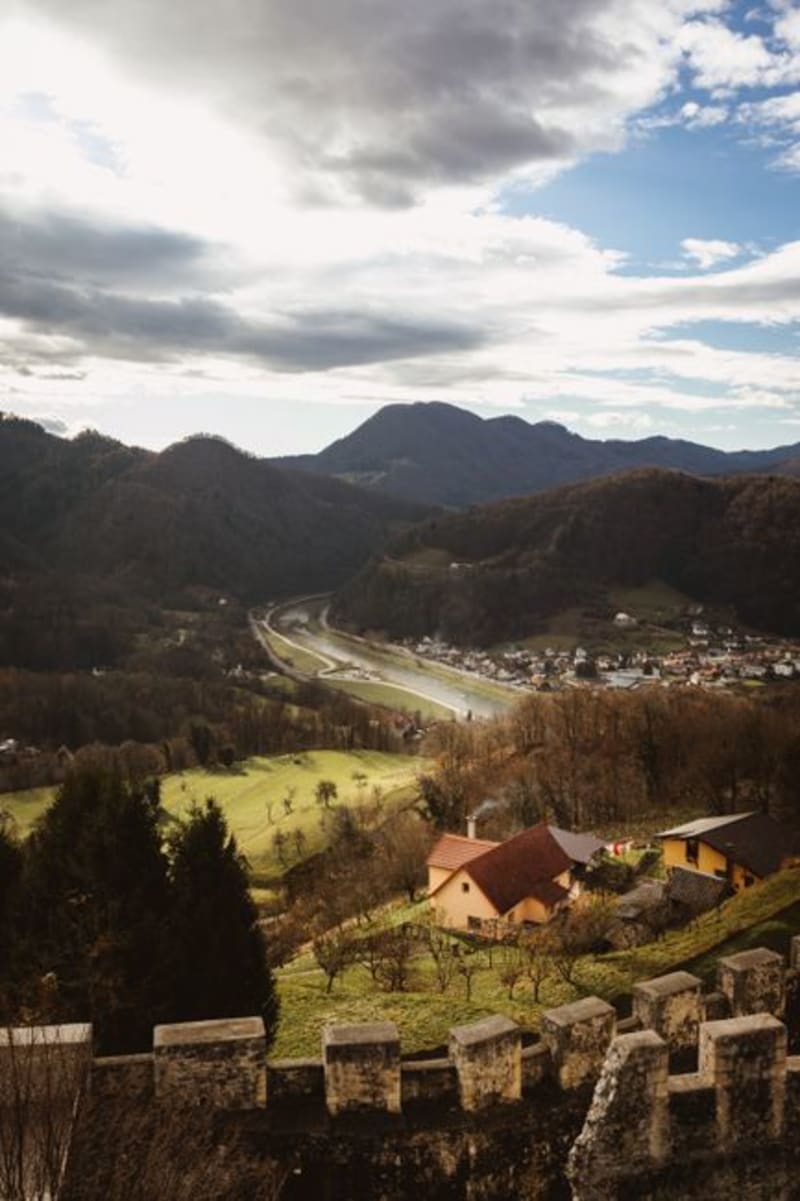 slovenia
 Luče
A small village strung along the Savinja River where the valley widens just enough to breathe before narrowing again toward Solčava — an easy, unhurried base for the Upper Savinja without a single tour bus in sight.
Explore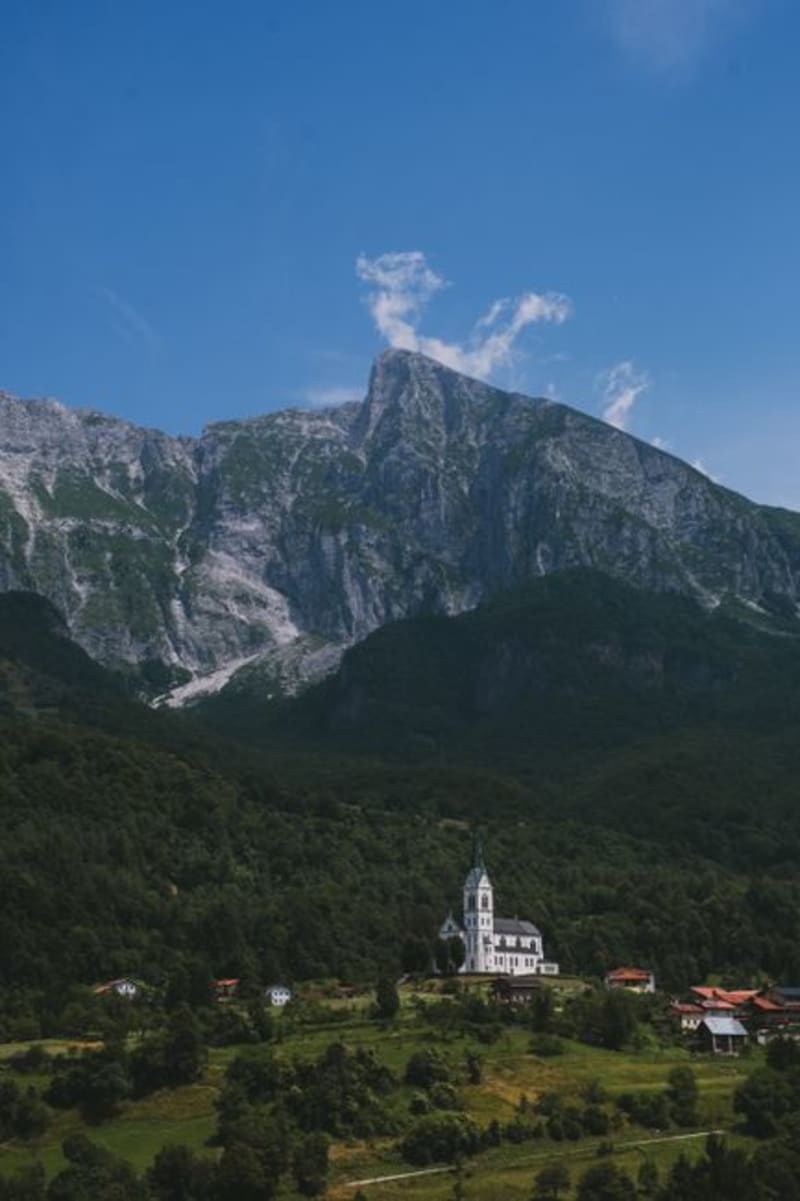 slovenia
 Lucija
The unglamorous working half of Portorož's municipality — a fish farm, a quiet marina, and the coast's most unpretentious dinner we had all trip.
Explore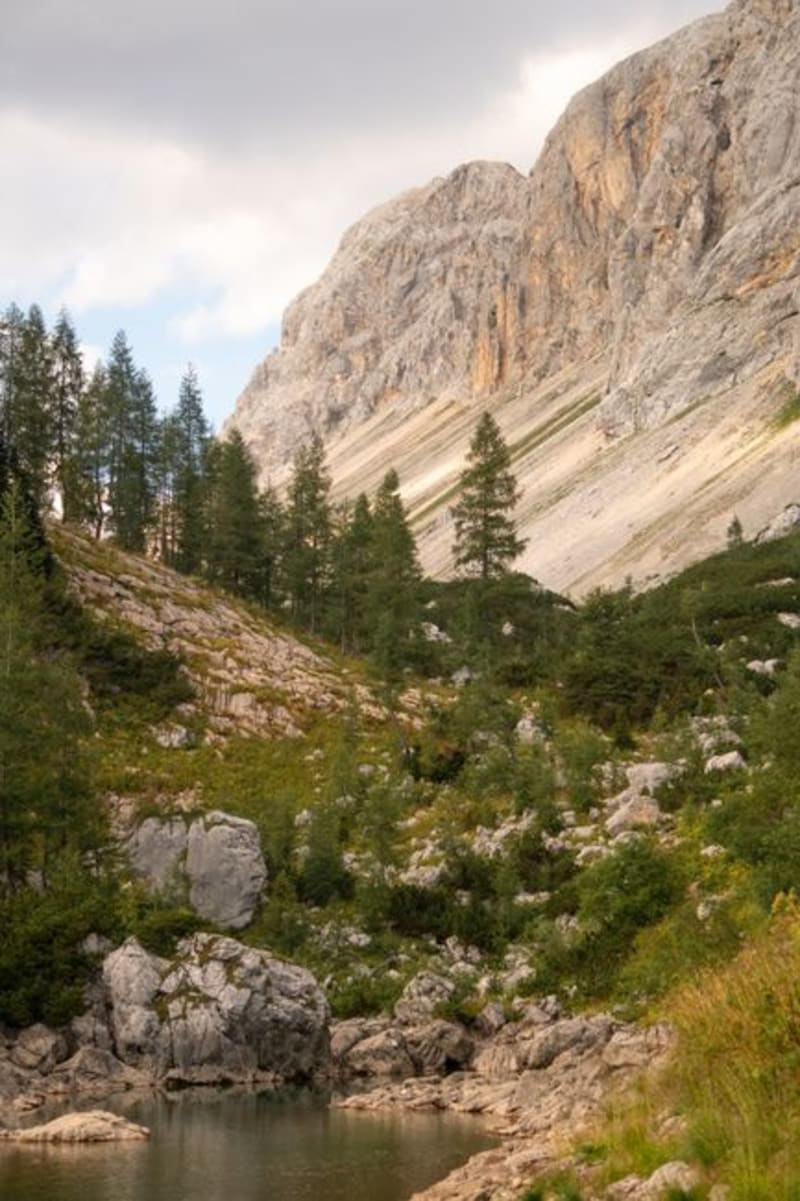 slovenia
 Mangart Saddle
Slovenia's highest mountain road, a narrow ribbon of switchbacks climbing to over 2,000 meters between Italy and the Julian Alps, ending at a saddle with nothing but sky on either side.
Explore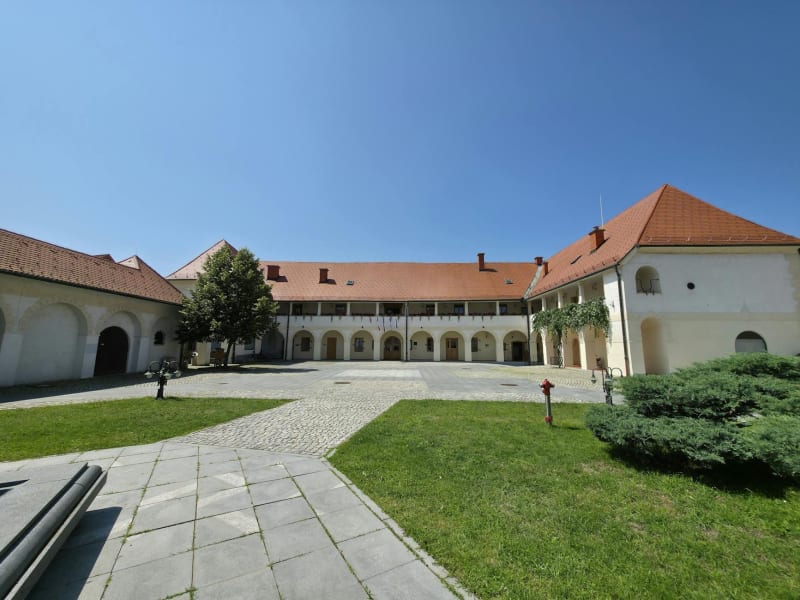 slovenia
 Maribor
Home to the world's oldest grapevine — over 400 years old — this Drava riverside city lives beautifully between tradition and transformation.
Explore