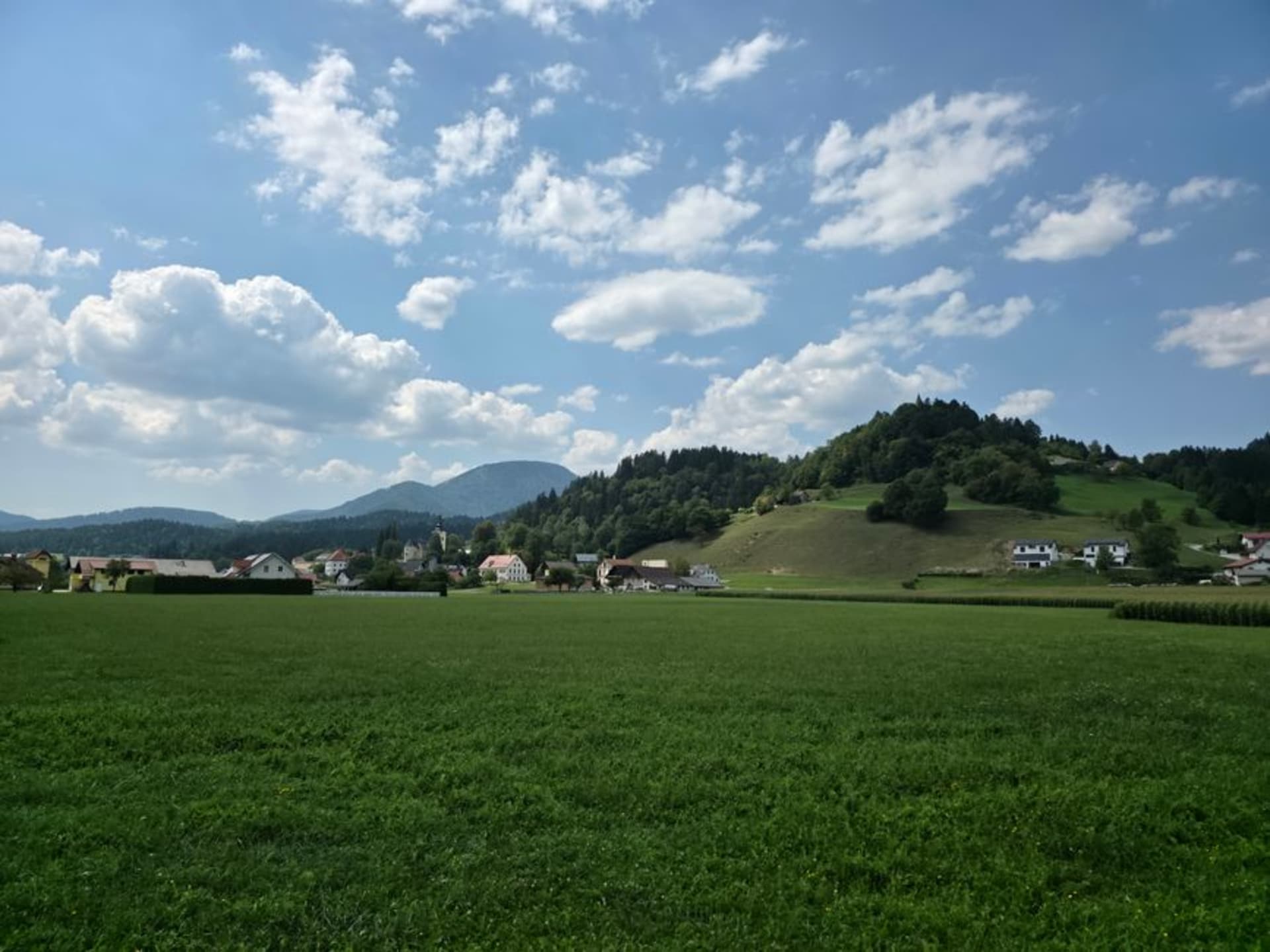
Lendava
"Standing on the Lendava hills, I could see three countries and understood how little borders actually mean to a landscape."
Slovenia's easternmost town, wedged against Hungary with vineyard hills on one side and a preserved synagogue on the other, carrying a bilingual Hungarian-Slovenian identity found nowhere else in the country.
Lendava sits at the very eastern edge of Slovenia, close enough to Hungary that road signs switch to bilingual Hungarian-Slovenian and the town’s identity is genuinely dual rather than performative. This is the last stop before the border, a place most itineraries skip entirely because it requires a deliberate detour off the route between Ljubljana and Budapest rather than sitting conveniently along it. We made the detour on our way out of Prekmurje and I’m glad we did — it’s one of the more quietly distinctive towns in the country.
The Hills Above Town
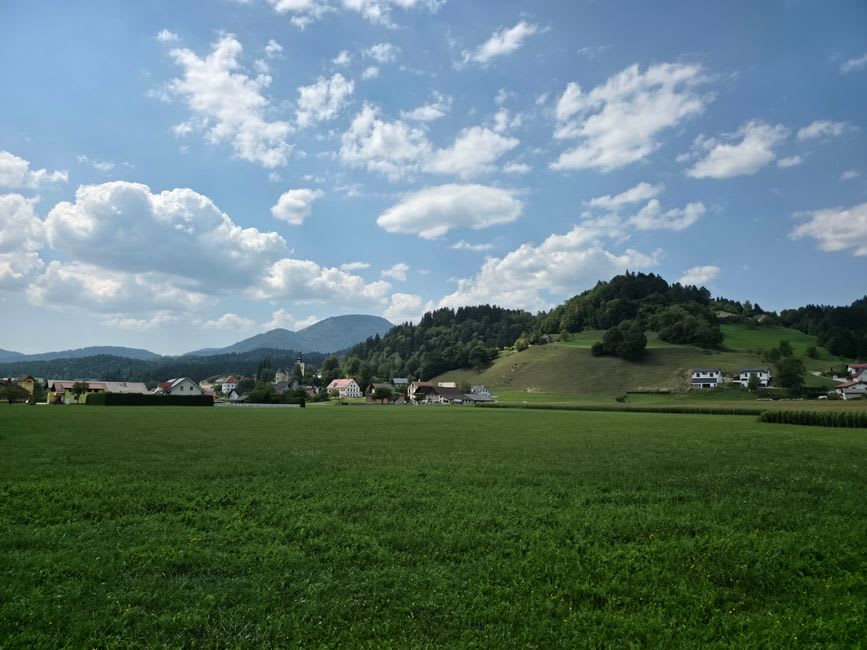
Lendava’s real draw isn’t the town center, it’s the hills rising behind it, planted almost entirely in vineyards and crowned with a modern lookout tower — the Vinarium — built specifically so visitors can see into Slovenia, Hungary, Croatia, and on a clear day Austria, all from the same spot. I climbed it at golden hour and the view justified every step: vineyard rows raking down the slope in the low light, the flat Mura floodplain stretching out toward Hungary, and the sense of standing at a genuine crossroads rather than a random hilltop. The wine produced here — mostly white varieties suited to this Pannonian climate — is sold at small cellars dug into the hillside, family operations where you knock and someone eventually appears to pour you a glass of whatever they’re proudest of that season.
Synagogue and Castle
The town itself holds two buildings worth the stop. Lendava’s synagogue, beautifully restored, is one of the few surviving in Slovenia and a quiet marker of the Jewish community that existed here before the Second World War and was destroyed by it — a small, well-kept museum inside now documents that history with more care than volume. The castle above the old town, more manor house than fortress, holds a regional museum covering Prekmurje’s ethnic and cultural layering — Hungarian, Slovenian, and the smaller communities that have moved through this border zone for centuries.
A Border That Doesn’t Feel Like One
What stayed with me about Lendava was how little the border seemed to matter on the ground. Menus are bilingual without fuss, the local dialect mixes Hungarian loanwords into Slovenian sentences, and the vineyard hills run continuously across a boundary that exists mainly on maps and in passport stamps. It’s a useful corrective if you’ve spent the rest of a Slovenia trip in the more homogeneous Julian Alps — a reminder that this small country contains more internal variety, linguistically and culturally, than its size would suggest.
When to go: September and October for harvest season in the vineyards, when the wine cellars are liveliest and the hills turn color. Spring is pleasant and quiet. The Vinarium tower view is best on a clear day — check forecasts before making the detour specifically for the panorama.