Kranjska Gora
"Everyone comes for the skiing. I came in July and understood the town twice as well."
A ski town at the foot of the Julian Alps that trades its snow for wildflowers in summer without losing a shred of its mountain intensity.
Lia found Kranjska Gora on a map while we were still deciding whether to base ourselves in Bled or push further into the mountains, and the deciding factor, honestly, was a photo of a ski jump sitting empty and green in summer. We drove up from Bled on a Tuesday morning with the windows down and watched the valley narrow and the peaks get serious — this is the corner of Slovenia where the Alps stop being scenery and start being geography you have to respect.
A Ski Town Without Snow
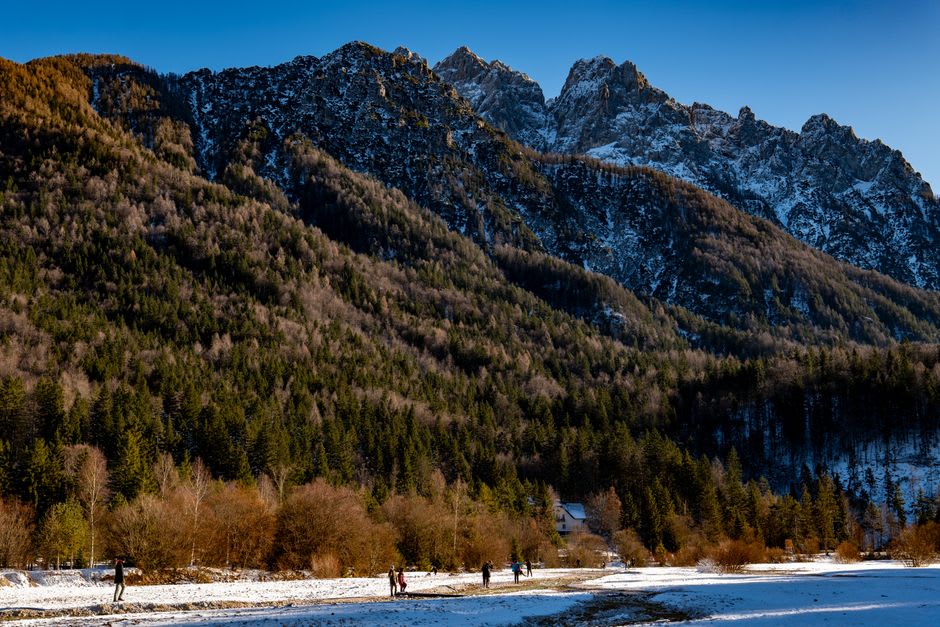
Kranjska Gora in July is a strange, likeable thing: chairlifts running for hikers instead of skiers, the main street quiet enough to hear cowbells from somewhere up the slope, restaurant terraces filling slowly with people who’ve clearly just come off a trail. The town itself is compact, wood-shingled, unpretentious — nothing about it performs alpine charm for tourists, it simply has it by default because the mountains around it leave no other option. We stayed two nights in a small guesthouse where the owner drew us a hiking route on a paper napkin and it turned out to be better than anything in the guidebook.
Planica Is Right There
The Planica valley, home to the largest ski jump in the world, sits a few minutes outside town, and even off-season it’s worth the detour — the scale of the thing is disorienting from below, a concrete ramp disappearing up into forest like it was built for giants rather than athletes. In winter this whole area turns into one of the most serious ski-jumping venues on the World Cup calendar; in summer it’s oddly peaceful, just us and a handful of mountain bikers on the access road.
Where the Valley Runs Out
What I liked most was how quickly the town gives way to nothing — ten minutes of walking north and you’re in proper forest, the kind with no signage and only the occasional hiker coming the other way. Lia wanted to keep going toward the Italian and Austrian borders, both of which are absurdly close, but we turned back for dinner: klobasa and mustard, a liter of Union beer, and the particular tiredness that comes from altitude and a long walk, which is a good tiredness.
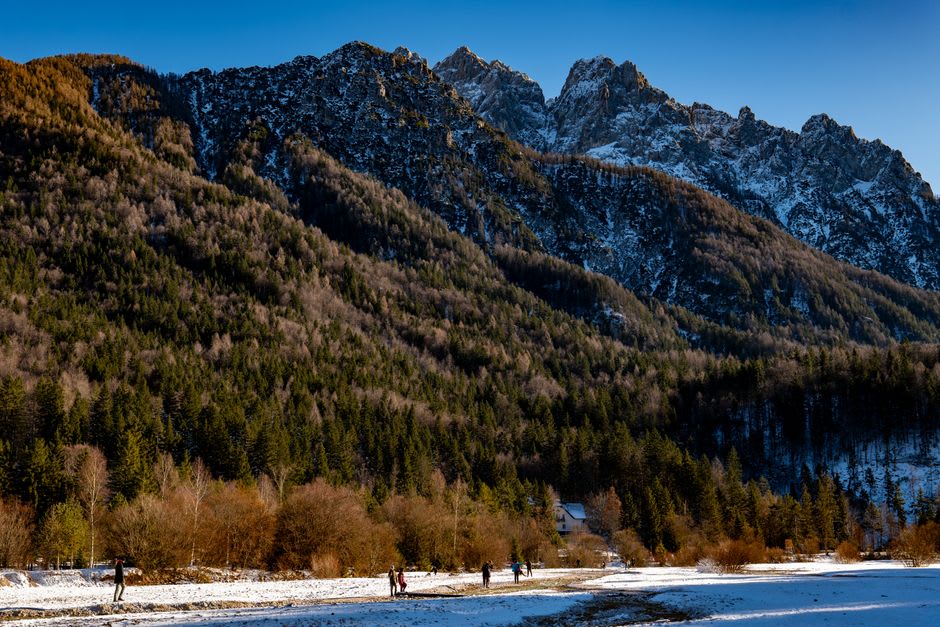
When to go: December to March for skiing, July to September for hiking and the mildest weather. Late spring can still have snow on the higher trails. This is also the natural staging point for driving the Vršič Pass, so plan accordingly if that’s on your route.
Keep exploring
More from Slovenia
 slovenia
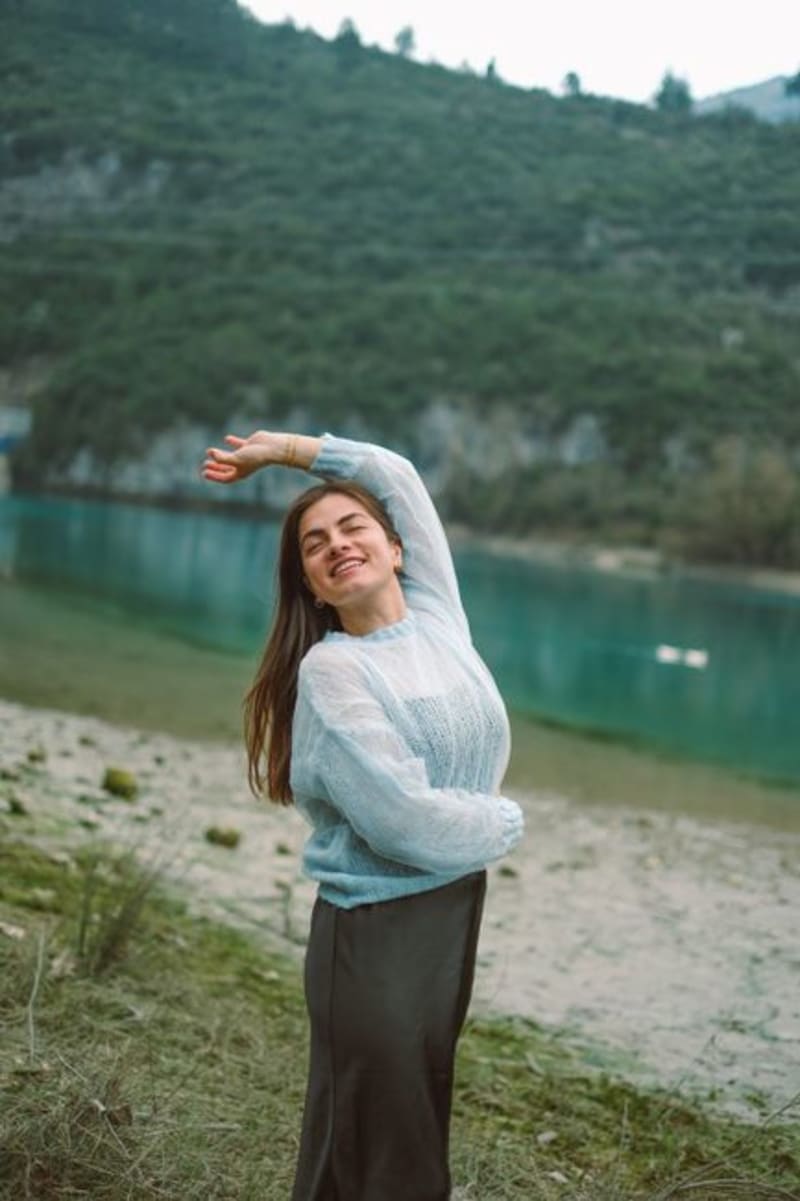
 Krn Lake
The highest lake in the Julian Alps, a two-hour climb above the Soča Valley to a still glacial pool that doubled as a frontline landmark during the First World War.
Explore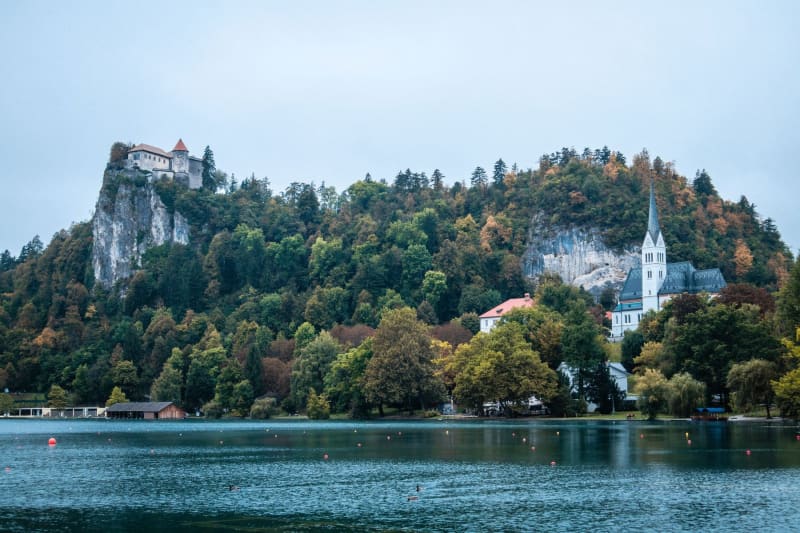 slovenia
 Lake Bled
A postcard-perfect Alpine lake with an island church and a clifftop castle — improbably real and even more beautiful in person.
Explore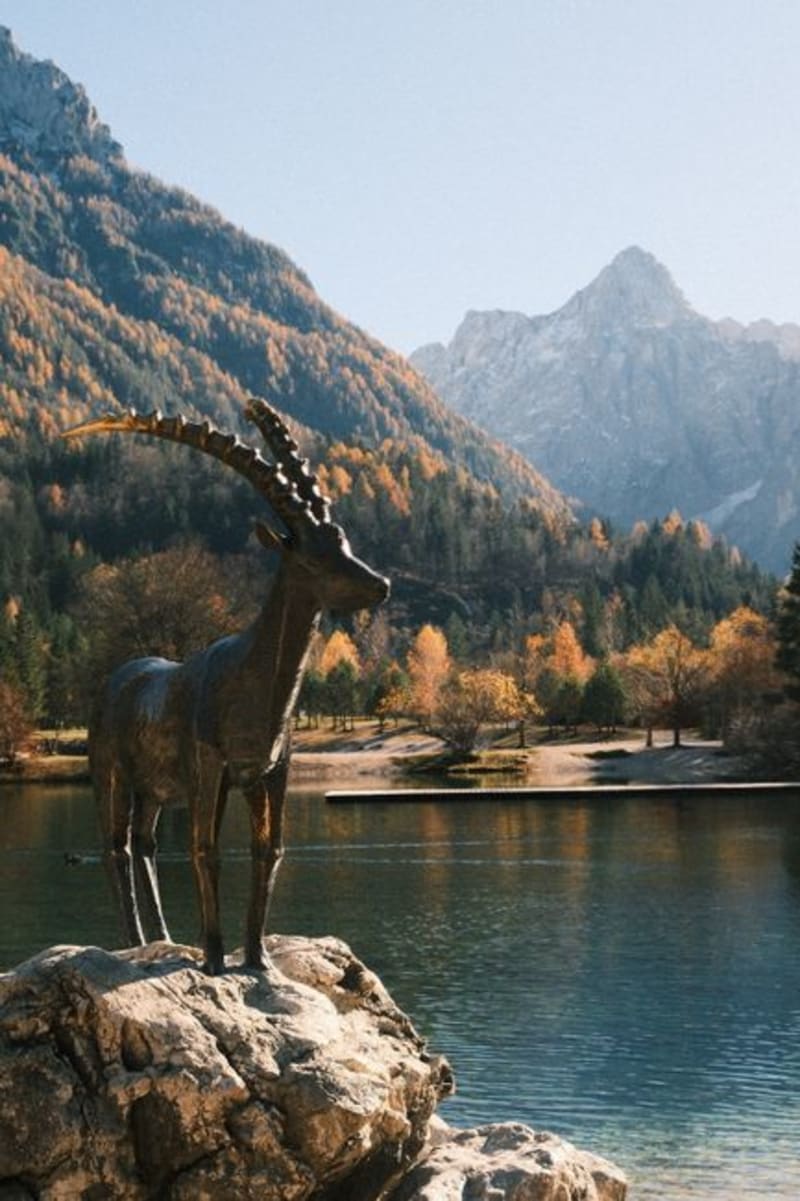 slovenia
 Lake Jasna
A small, impossibly turquoise reservoir at the entrance to Kranjska Gora, framed by two bronze ibex statues and more Instagram tripods than actual swimmers.
Explore slovenia
 Laško
A Savinja riverside spa town better known as the home of Slovenia's most famous beer, with thermal pools and a brewery tour that don't pretend to be anything fancier than they are.
Explore slovenia
 Lendava
Slovenia's easternmost town, wedged against Hungary with vineyard hills on one side and a preserved synagogue on the other, carrying a bilingual Hungarian-Slovenian identity found nowhere else in the country.
Explore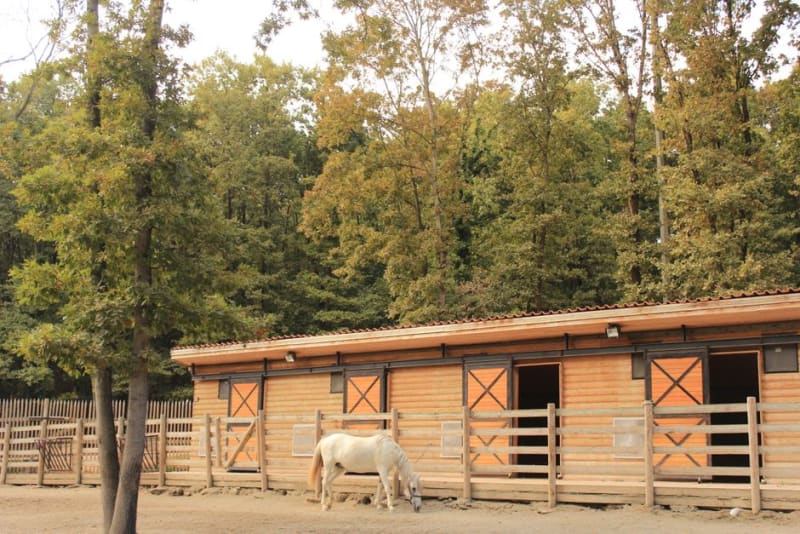 slovenia
 Lipica Stud Farm
The 16th-century home of the Lipizzaner horse, where white stallions bred for Habsburg court riding schools still graze the karst pastures that gave the breed its name.
Explore