Kozjansko
"Nobody preserved this landscape on purpose — it just never got around to changing, and that turned out to be enough."
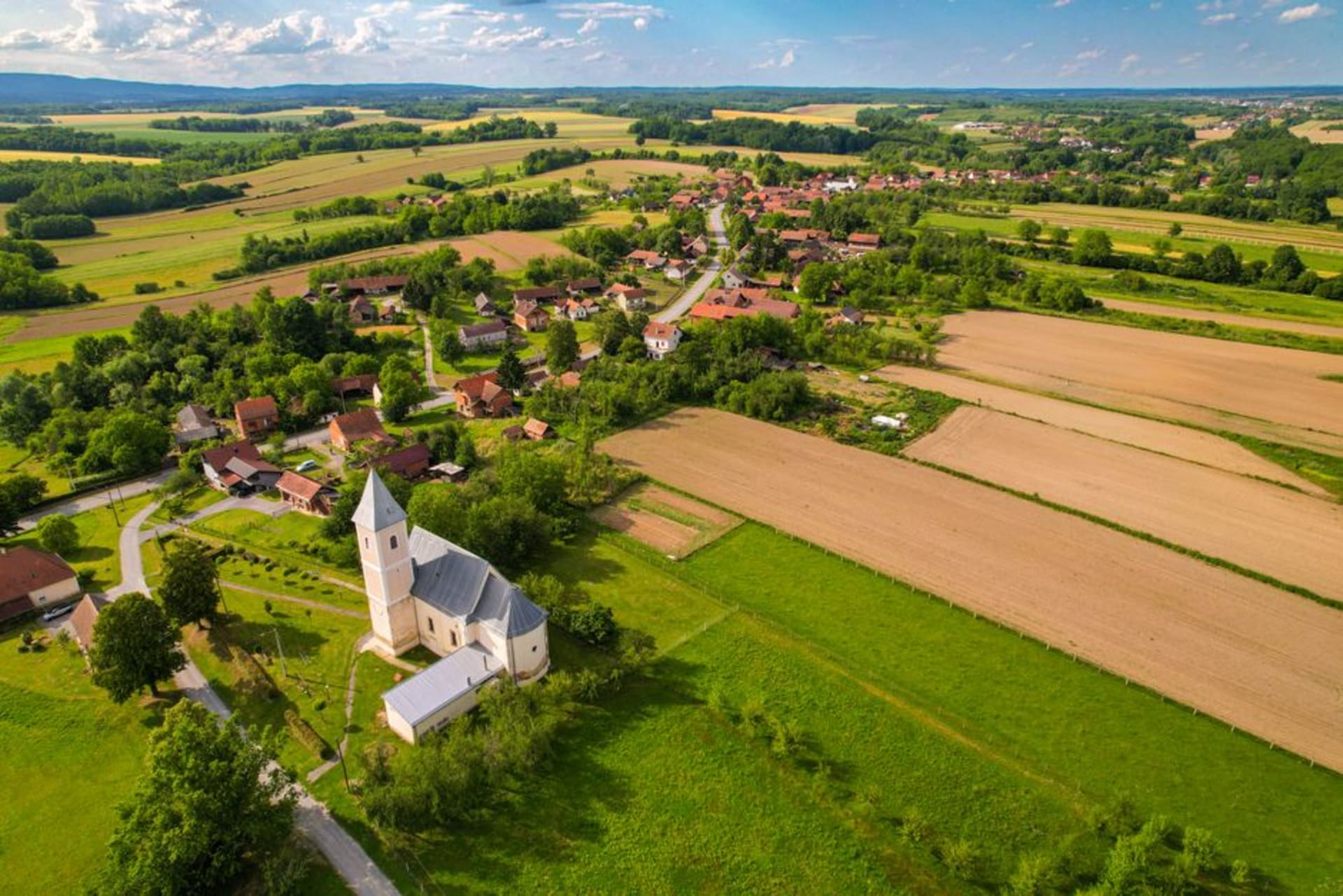
A patchwork of orchard meadows and ruined castles between the wine hills and the Sotla river, protected as a park precisely because nothing much has changed here.
Kozjansko is harder to pin down than the other stops on this trip because it isn’t a single town or vineyard — it’s a whole stretch of rolling countryside between the Sotla river and the hills around Podčetrtek, protected since the 1980s as a regional park mostly because the traditional orchard-meadow landscape survived here when it vanished almost everywhere else in Europe.
Orchards as Landscape
The defining feature is the travniški sadovnjak — high-stem fruit meadows, gnarled old apple and pear trees scattered loosely across grazed hillside pasture rather than planted in orderly commercial rows. It sounds like a small distinction until you’re standing in one: the trees are old, twisted, spaced with no obvious logic, cattle grazing underneath, and the whole effect is less “farm” than “landscape that happens to also feed people.”
We stopped at the park’s information point near Podsreda and picked up a trail that wound through several of these meadows, past a couple of wooden hayracks — kozolci, the distinctive Slovenian drying racks you see everywhere here once you start noticing them — and it struck me how much this quiet, unglamorous scenery does the work that grander landmarks elsewhere get credit for.
Podsreda Castle
Above the meadows sits Podsreda Castle, a squat, thick-walled Romanesque fortress dating to the 12th century, one of the best-preserved of its kind in Slovenia precisely because it was never modernized into a palace the way so many others were. Inside, bare stone rooms and small windows give a real sense of its original defensive purpose rather than any later aristocratic comfort.

We climbed to the top for a view over the patchwork of meadows and forest below, and Lia said it reminded her of pictures of the English countryside from a century ago — not manicured, just lived-in, at a scale that still felt human. It was one of the few stops on this trip where we didn’t take many photos, mostly because it felt like a place better held in memory than in a phone.
When to go: Late spring, when the fruit trees are blossoming across the meadows, or September when the orchards fruit and the hayracks fill for the season. Either way, come for a slow half-day rather than a quick drive-through.
Keep exploring
More from Slovenia
 slovenia
 Krakovo
Ljubljana's oldest garden district, a knot of narrow lanes where vegetable plots and fruit trees still grow behind the fences of century-old houses.
Explore slovenia
 Kranj
Slovenia's fourth-largest city, perched on a cliff over two rivers, treated by most travelers as a highway sign on the way to the Alps and nothing more.
Explore slovenia
 Kranjska Gora
A ski town at the foot of the Julian Alps that trades its snow for wildflowers in summer without losing a shred of its mountain intensity.
Explore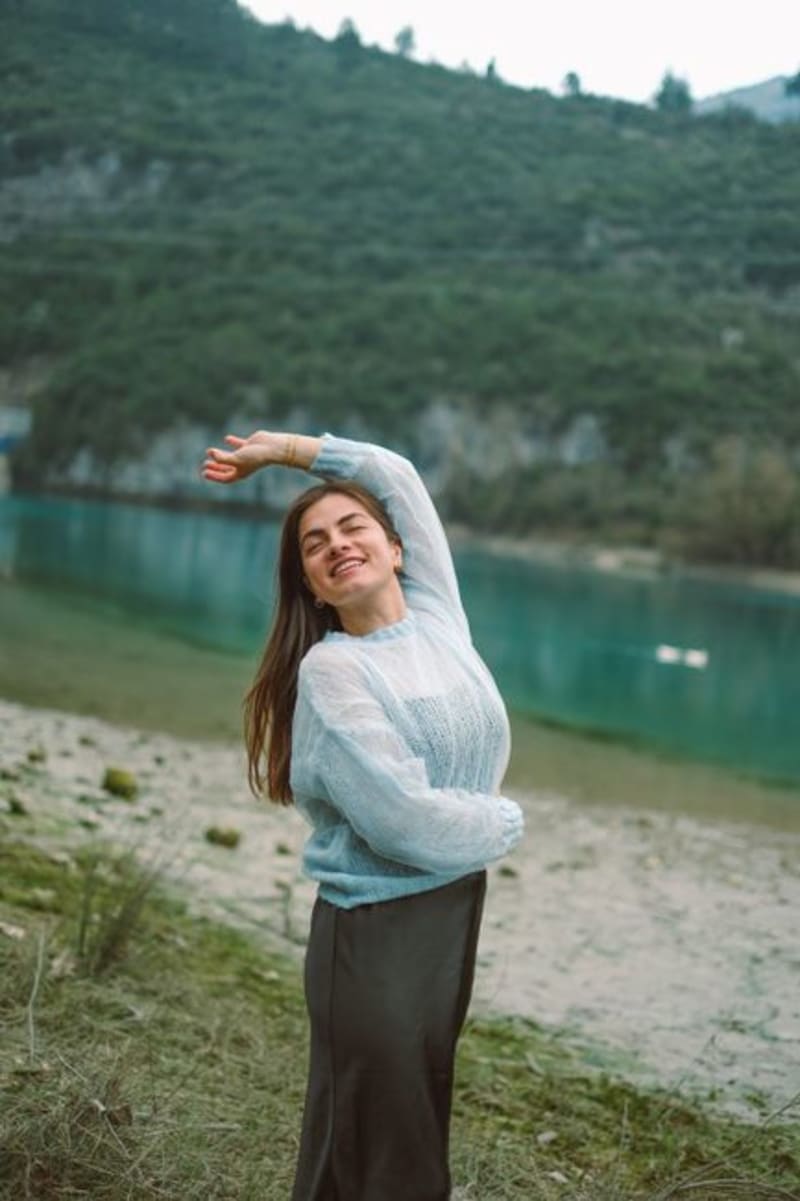 slovenia
 Krn Lake
The highest lake in the Julian Alps, a two-hour climb above the Soča Valley to a still glacial pool that doubled as a frontline landmark during the First World War.
Explore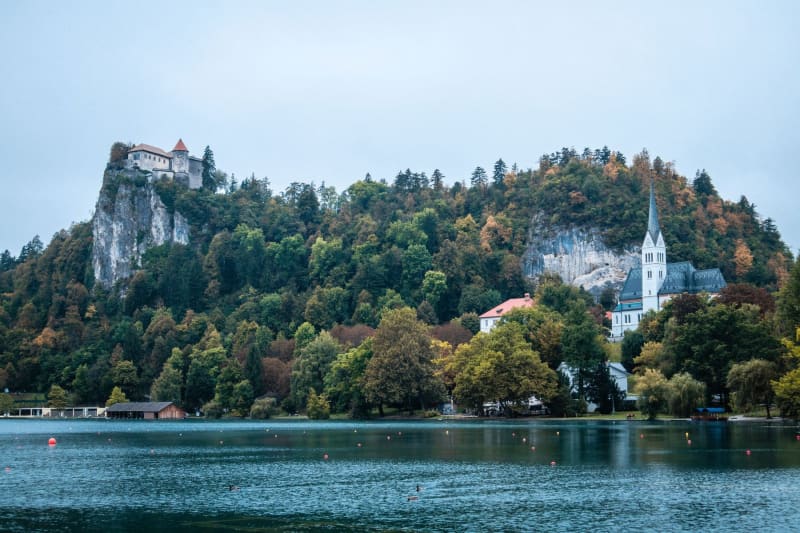 slovenia
 Lake Bled
A postcard-perfect Alpine lake with an island church and a clifftop castle — improbably real and even more beautiful in person.
Explore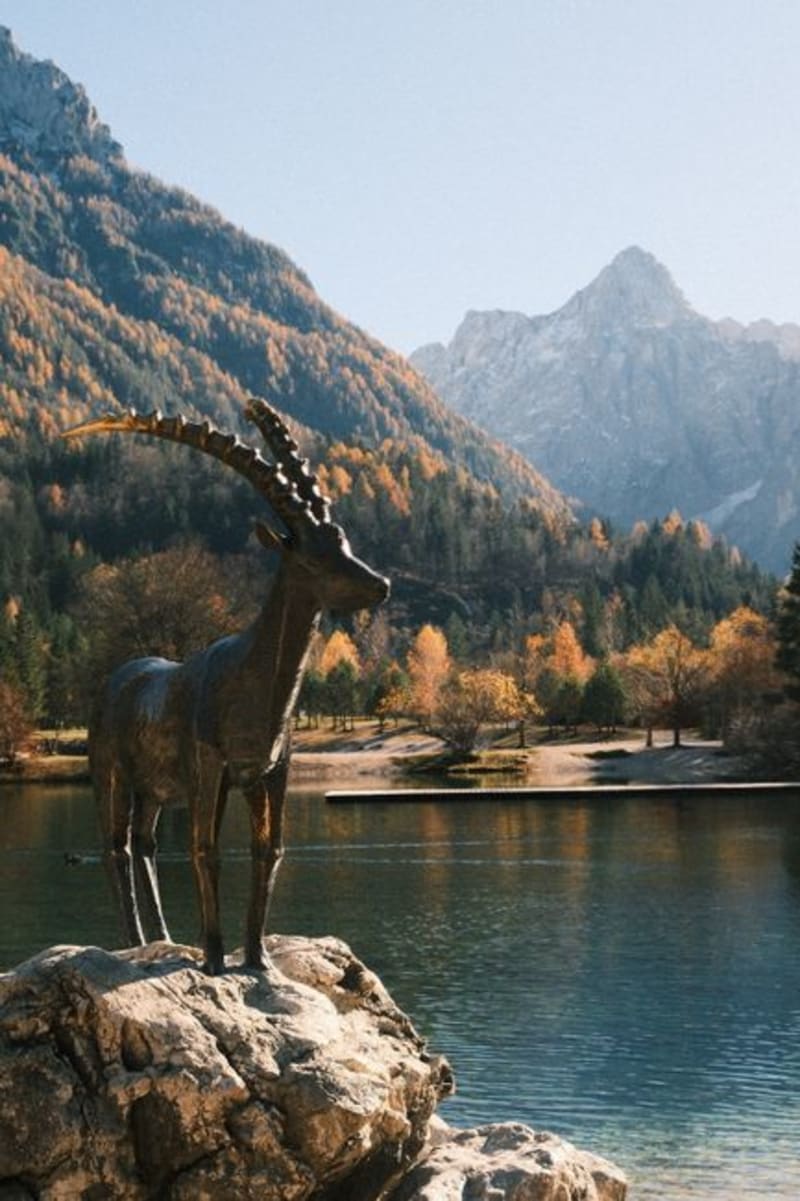 slovenia
 Lake Jasna
A small, impossibly turquoise reservoir at the entrance to Kranjska Gora, framed by two bronze ibex statues and more Instagram tripods than actual swimmers.
Explore