A scruffy, unglamorous fishing town between Koper and Piran that has resisted the postcard treatment — and is exactly what I wanted the Slovenian coast to feel like.
Every guidebook chapter on the Slovenian coast gives Izola about a paragraph, usually a variation on “less touristy alternative to Piran.” I want to push back on the word “alternative,” because it undersells the place. Izola isn’t a backup plan. It’s what a working Adriatic fishing town actually looks like when nobody has spent decades curating it for visitors — net-mending sheds instead of gelato kiosks, apartment blocks with laundry strung between balconies instead of restored Venetian facades, and a harbor genuinely full of boats that go out and catch things, not tour vessels.
Breakfast With the Fishermen
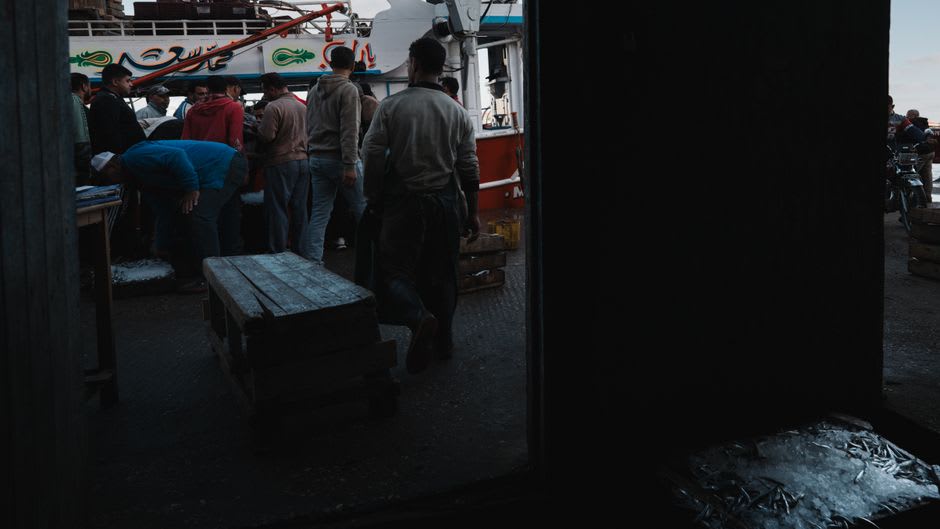
I got up at 5:30am on our second morning, mostly out of curiosity, and found the harbor already loud with activity — crates of anchovies and sardines being unloaded, a rough camaraderie among men who’d clearly been doing this together for decades, cats positioned with tactical precision near the cleaning stations. A small bar by the pier was already serving espresso and slices of burek to the crews coming off their boats. I stood at the counter, said nothing useful in Slovenian, and was handed a coffee anyway. It remains one of my favorite unplanned hours in the country.
The Old Town Nobody Rushes Through
Izola’s old town is small, slightly frayed at the edges, and largely ignored by day-trippers rushing between Koper and Piran. That’s its charm. Narrow lanes open onto squares with nothing more dramatic than a stone well and a few plastic chairs outside a konoba. We ate the best fresh anchovies of the trip at a family-run place two streets back from the water, marinated in vinegar and olive oil, served with bread still warm from the oven. No view, no ambiance to speak of — just excellent, honest food at half the price of anything in Piran.
A Coastal Path Worth Walking
The path along the coast toward Strunjan, cutting past abandoned salt-industry buildings and low cliffs, makes for a proper hour-long walk with almost no other people on it. Bring water; there’s precious little shade and even less commerce out that way.
When to go: Late spring or early autumn, when the harbor is still working at full pace but the heat has eased. Izola doesn’t have a real “high season” crowd problem the way Piran does, so July and August are viable here even if you’re avoiding them elsewhere on the coast.
Keep exploring
More from Slovenia
 slovenia
 Jeruzalem
A ridge of vineyards so improbably named that the wine itself seems to have been blessed — Slovenia's most photogenic wine hills, and one of its quietest.
Explore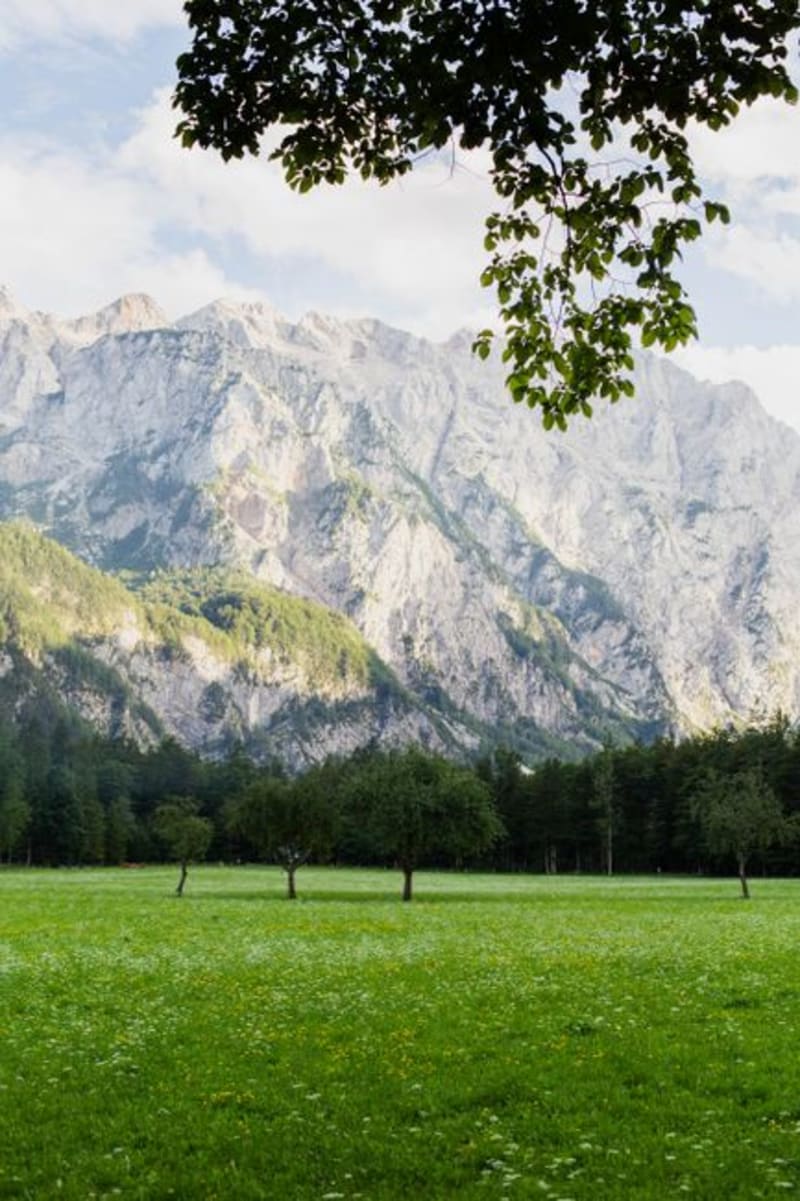 slovenia
 Jezersko
A dead-end alpine valley near the Austrian border where a handful of farming families still outnumber the tourists, and the silence is the whole point.
Explore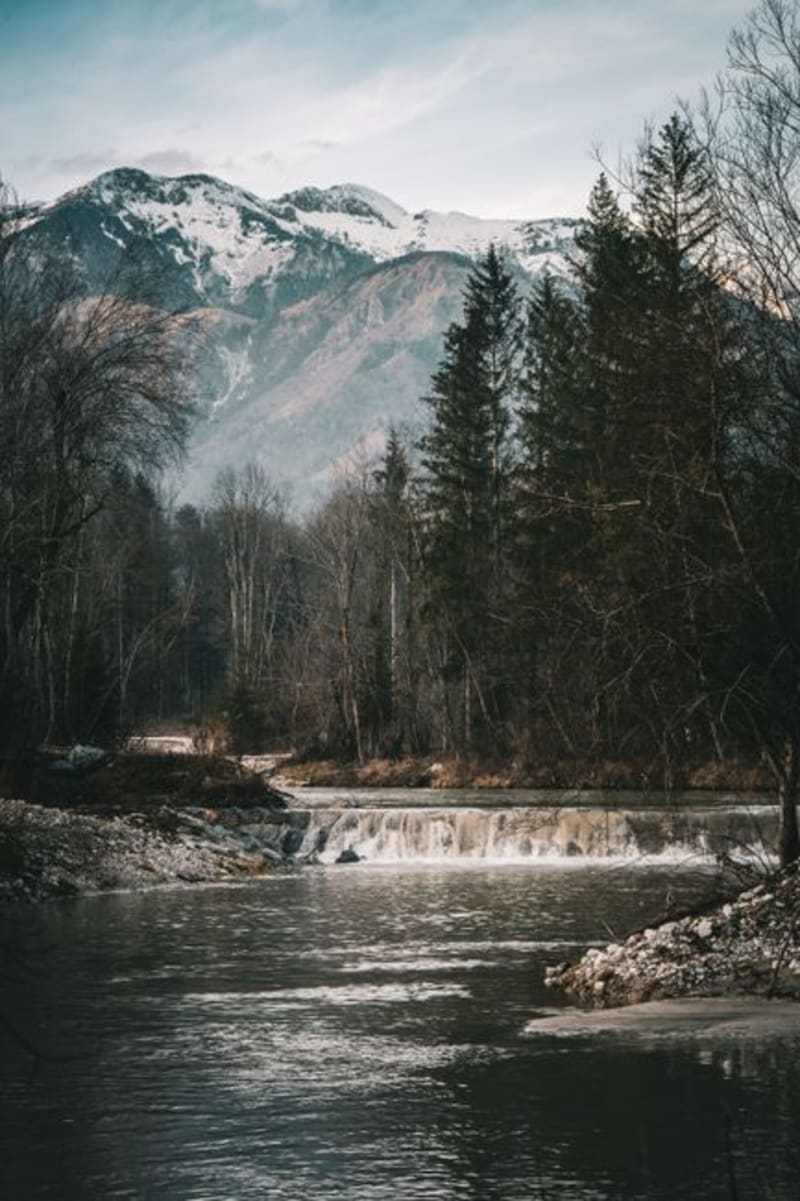 slovenia
 Kamnik
A medieval market town at the foot of the Kamnik-Savinja Alps, with two castles, a river running straight through the old center, and none of the crowds that Bled and Ljubljana have learned to expect.
Explore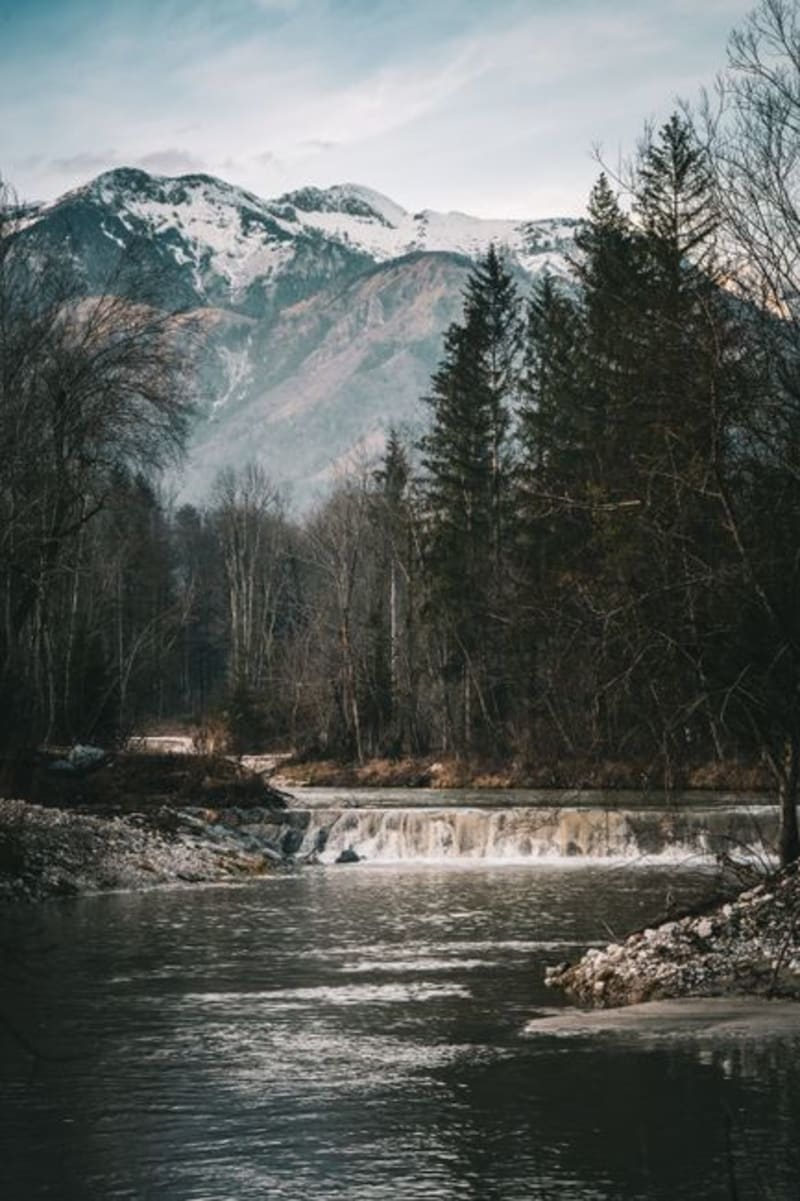 slovenia
 Kamniška Bistrica
The valley where the Kamniška Bistrica river is born from a wall of limestone peaks, a short drive from Kamnik and the starting point for the cable car up to Velika Planina and the serious climbs into the Kamnik-Savinja high country.
Explore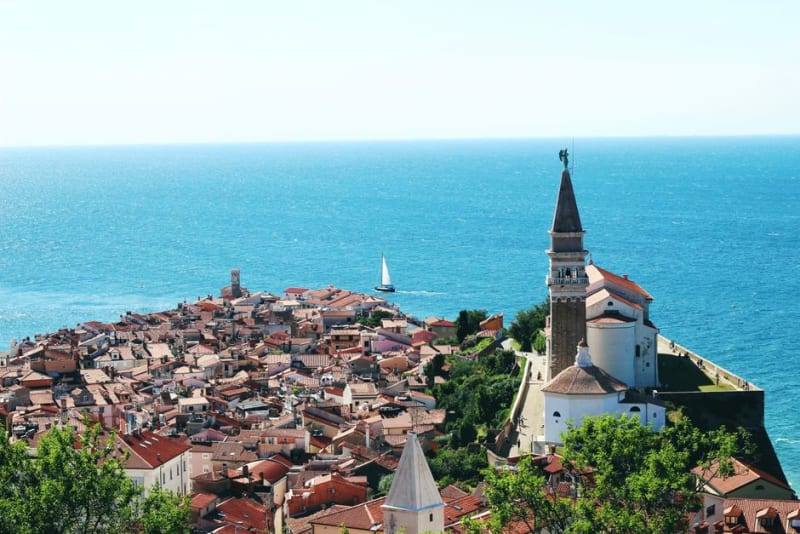 slovenia
 Kanin
Slovenia's highest ski resort, strung across a cross-border ridge with Italy, reached by a cable car that lifts you from valley meadow to bare alpine rock in three stages.
Explore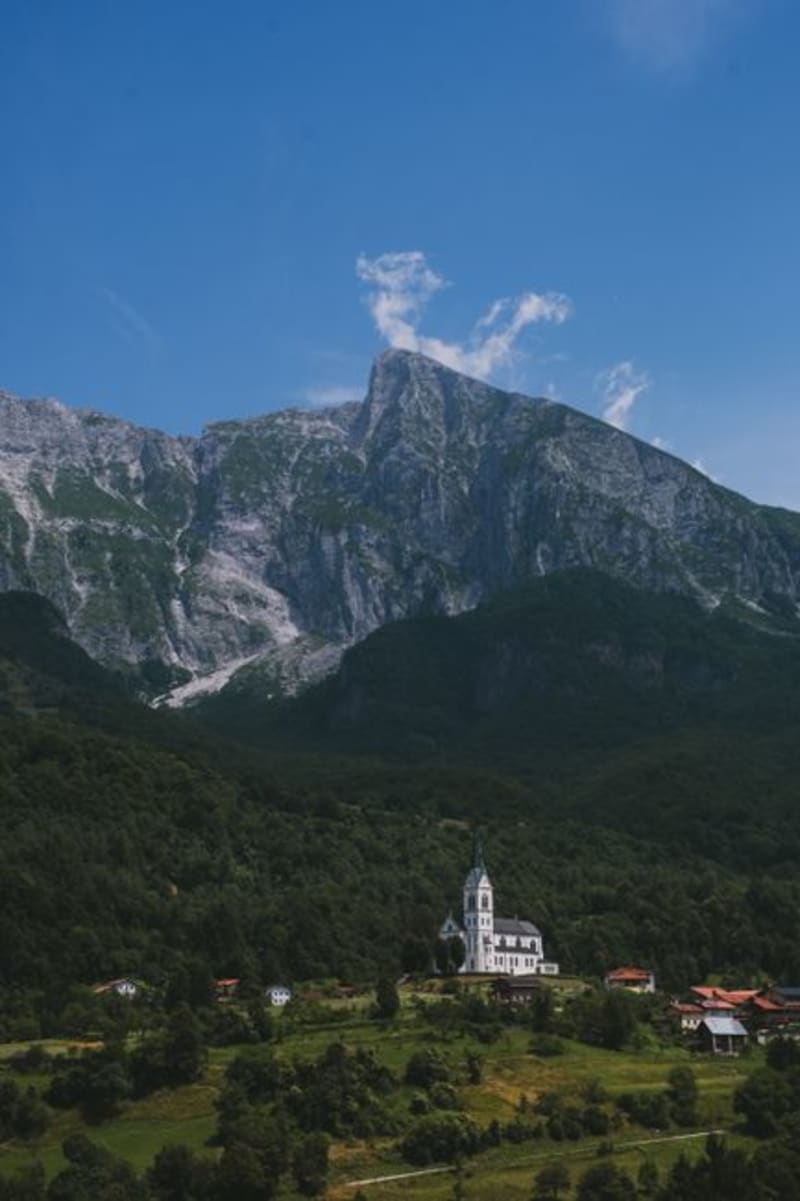 slovenia
 Kobarid
A small town in the lower Soča Valley carrying the weight of one of the First World War's most devastating battles, and one of Slovenia's best restaurants for the trouble.
Explore