Idrija
"A town that spent five hundred years pulling poison from the ground and somehow produced something this fine and delicate to show for it."
A UNESCO mining town built on five centuries of mercury extraction, where a black hole in the earth funded a lace-making tradition of extraordinary delicacy.
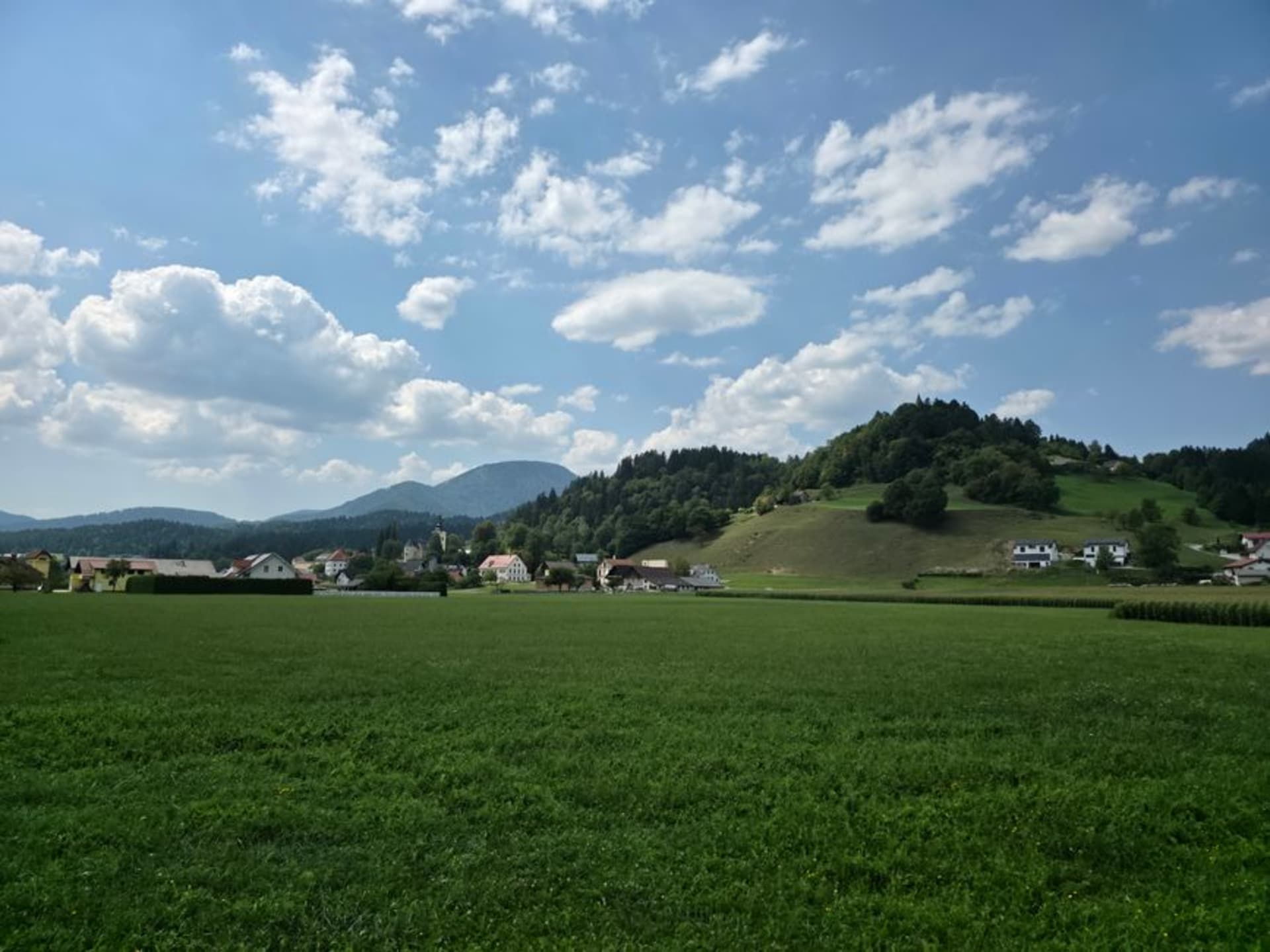
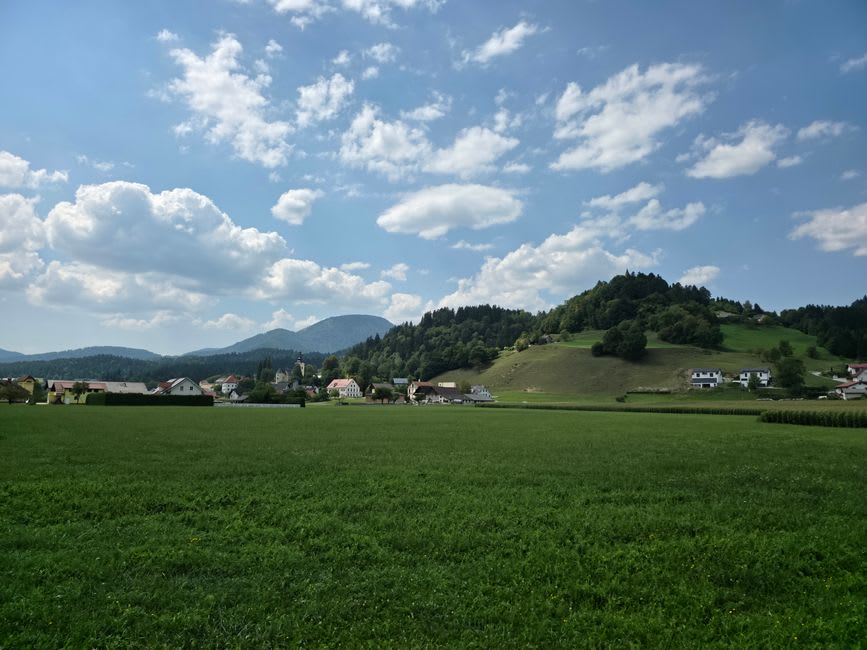
Idrija is not on the way to anywhere, which is probably why it took me two trips to Slovenia before I finally made the detour. It sits in a fold of hills in the western Primorska region, and what pulled me there wasn’t the scenery — pleasant but unremarkable by Slovenian standards — but the strangeness of its history. This is the second-largest mercury mine in the world, worked continuously from 1490 until it finally closed in 1995, and the entire town, its wealth, its architecture, its very reason for existing on this particular hillside, traces back to that one metal.
Descending Into Anthony’s Shaft
The main mine, Anthony’s Shaft, is now a museum, and you can walk down into it — through galleries reinforced with centuries of timber supports, past reconstructed miners’ quarters and a small underground chapel where workers prayed before descending each day, back when mercury poisoning was an accepted occupational hazard rather than a warning label. Our guide, a retired miner himself, talked about symptoms of chronic exposure with a matter-of-factness that made the whole visit feel less like a museum tour and more like an oral history. I came up from underground grateful for the ordinary things I take for granted, mainly daylight and the absence of heavy metal poisoning.
The Lace That Came From the Same Ground
What I hadn’t expected was the second half of Idrija’s identity: bobbin lace-making, a craft that took root here in the 17th century among miners’ wives and daughters, initially as supplementary income while the men worked underground. It’s now UNESCO-recognized in its own right, taught in a dedicated lace school still operating today, and the results — displayed in the town’s lace museum — are absurdly intricate, pieces that took months of a single pair of hands working thread finer than sewing cotton. There’s something quietly moving about a town whose two defining exports are a poison and an art form this delicate, both born from the same hillside out of necessity.
Lunch and the Local Dumpling
We ate idrijski žlikrofi for lunch — small potato-filled dumplings shaped like tiny hats, a dish so specific to this town that it has its own protected geographical status in the EU, similar to Champagne or Parma ham. They came with a rich lamb goulash ladled over the top, and it was, unpretentiously, one of the best plates of food either of us had in Slovenia. Lia asked for the recipe. The waitress laughed and said her grandmother would never write it down.
When to go: Year-round for the mine museum, which runs guided tours in multiple languages. Late spring through early autumn is most comfortable for exploring the town itself and the surrounding hiking trails.