Fiesa
"A ten-minute walk from Piran's crowds and a completely different pace of afternoon."
A tiny cove beach ten minutes from Piran's old town, backed by a freshwater lake and a chapel, that somehow still feels like a secret.
Everyone who visits Piran eventually complains about the same thing: nowhere decent to actually swim without fighting for a spot on the concrete platforms below the old town walls. On our third day, a waiter at the harbor pointed us toward Fiesa, a small cove just north along the coastal path, and told us, in the tone of someone sharing something he wasn’t sure he should, that it was where he goes on his own days off.
A Cove Small Enough to Miss
Fiesa is modest by design — a short crescent of pebble beach wedged between wooded cliffs, with water so clear you can watch small fish moving over the stones from the shore. It fills up on peak summer afternoons, being close enough to Piran that word has gotten around, but arrive before ten and you’ll have a reasonable stretch of shoreline without needing to negotiate towel real estate.
The Lake Behind the Beach
What makes Fiesa unusual is what sits directly behind the cove: a small freshwater lake, separated from the Adriatic by little more than a narrow strip of reeds and gravel. It’s an odd, quiet contrast — salt water on one side, a still green lake full of frogs and dragonflies on the other, both within a hundred meters of each other. We sat on the lake side for a while after swimming, watching swallows work low over the water at dusk, and it felt like a different climate entirely from the beach we’d just left.
The Walk There Is Half the Point
The coastal path from Piran to Fiesa hugs the cliffs the entire way, past the Church of Our Lady of Grace on the hillside above and a scattering of small guesthouses that look like they haven’t changed much since the 1970s. It’s an easy twenty-minute walk, flat enough for anyone, and considerably more scenic than driving.
When to go: Early mornings from June through September, before the short walk from Piran fills the cove with the same crowd you were trying to avoid. Late September still swims comfortably and by then the cove empties out almost entirely by early afternoon.
Keep exploring
More from Slovenia
 slovenia
 Grad and Goričko
Slovenia's largest surviving Renaissance manor sits abandoned and half-wild at the edge of Goričko Nature Park, the remotest, least-visited corner of the country's rolling far-northeast.
Explore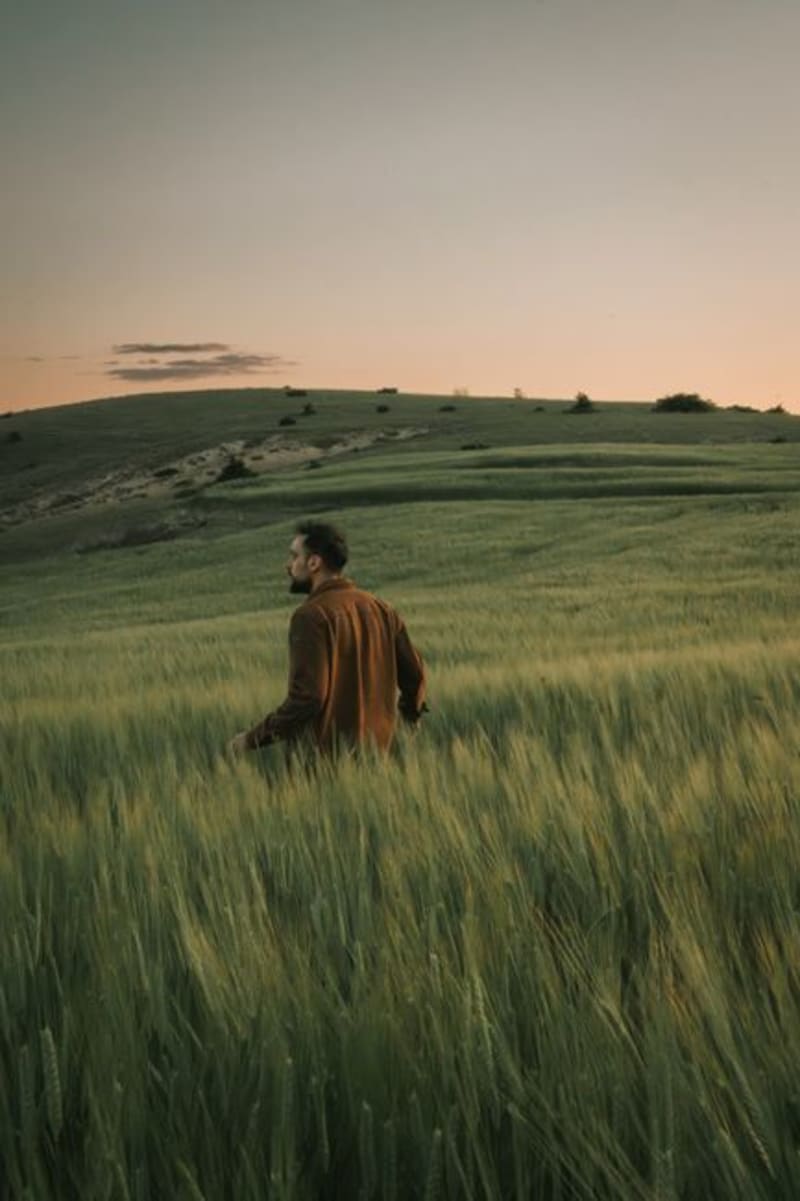 slovenia
 Haloze Hills
The steepest wine country in Slovenia, a folded landscape along the Croatian border where vines cling to slopes that seem almost too sharp to farm.
Explore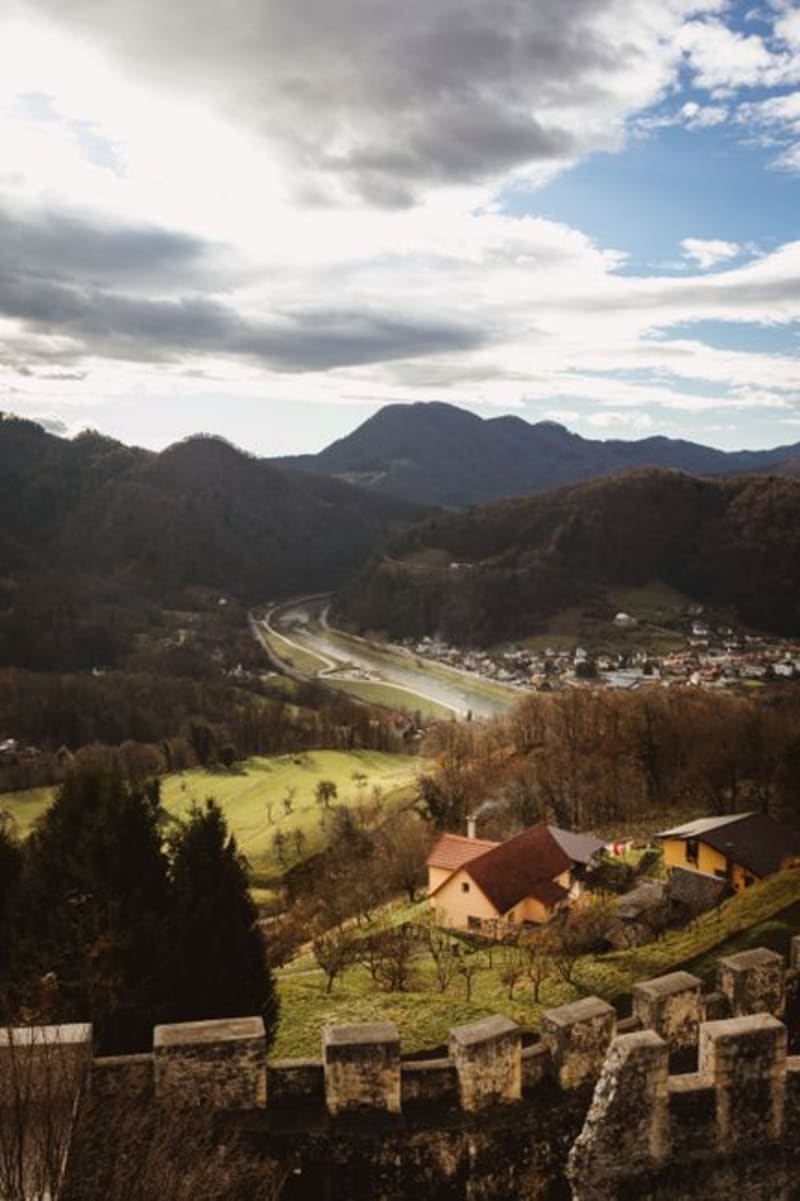 slovenia
 Hrastovlje
A fortified medieval church hiding one of Europe's most complete Dance of Death frescoes — skeletons leading a pope, a king, and a peasant to the same grave, painted on the walls of a chapel surrounded by defensive stone.
Explore slovenia
 Idrija
A UNESCO mining town built on five centuries of mercury extraction, where a black hole in the earth funded a lace-making tradition of extraordinary delicacy.
Explore slovenia
 Izola
A scruffy, unglamorous fishing town between Koper and Piran that has resisted the postcard treatment — and is exactly what I wanted the Slovenian coast to feel like.
Explore slovenia
 Jeruzalem
A ridge of vineyards so improbably named that the wine itself seems to have been blessed — Slovenia's most photogenic wine hills, and one of its quietest.
Explore