Debeli Rtič
"The last headland before Italy, and the quietest stretch of coast in the country."
A wooded headland at the very edge of Slovenia's coastline, where flysch cliffs, a pebble cove, and the last stretch before the Italian border stay almost entirely to yourself.
Debeli Rtič sits at the point where Slovenia’s short coastline effectively runs out — a wooded headland a short walk past Ankaran, close enough to the Italian border that phone networks occasionally get confused about which country I was in. It doesn’t appear in most coastal itineraries, which is exactly why I went. We arrived by bike, sweaty and slightly lost, after a wrong turn near Ankaran’s marina, and found a wooded park protecting one of the last undeveloped stretches of coast on the entire Adriatic side of the country.
A Cliff You Can Actually Get Close To
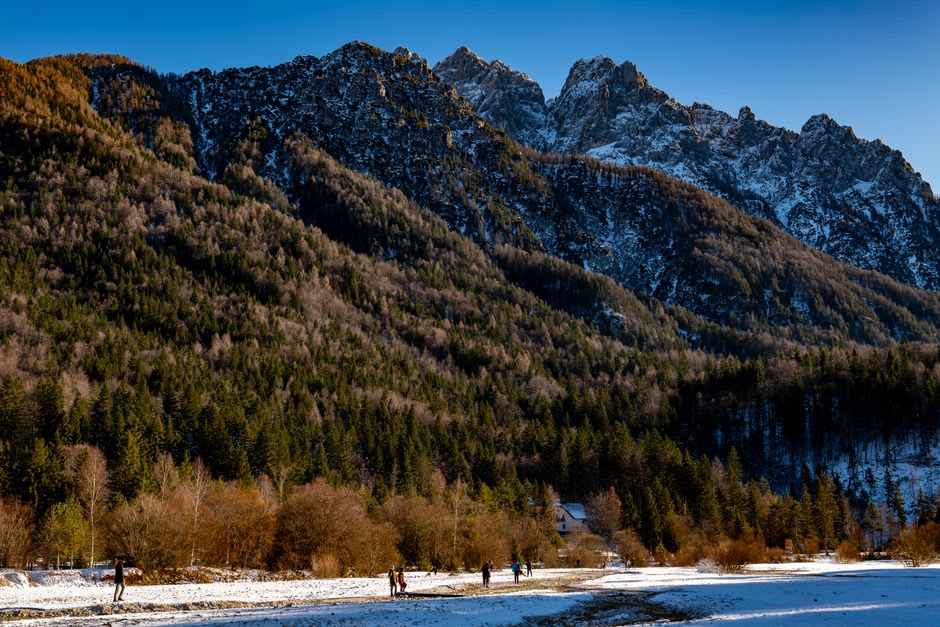
The headland is another flysch formation, smaller and less dramatic than Strunjan’s, but its scale is part of the appeal — a modest, unhurried cliff you can walk right along the edge of without a single fence or ticket booth. Pine forest runs almost to the water’s edge, and the path threading through it feels more like a Mediterranean nature reserve in France or Corsica than anything I associated with Slovenia before this trip.
The Cove Nobody Fights For
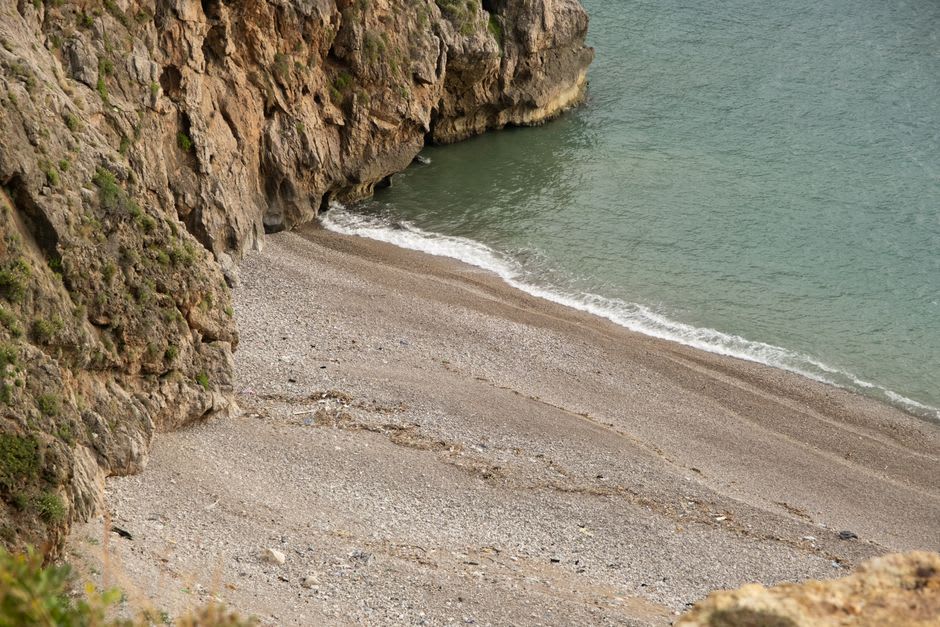
Below the headland sits a narrow pebble cove, reachable by a short set of steps, that on the summer weekday we visited held maybe a dozen people total. There’s a small marine biology station here too — Debeli Rtič has functioned as a research and rehabilitation site, including for sea turtles recovered from the Adriatic, since the 1970s — which gives the whole headland a slightly more purposeful feel than a standard tourist beach.
The View You Came For
From the tip of the headland, on a clear day, you can see the Gulf of Trieste curl all the way around to Italy’s coastline and, if the haze cooperates, the outline of the Julian Alps far behind. It’s a modest view by dramatic standards, but it’s the kind of vantage that rewards patience rather than a quick photo — we sat for the better part of an hour and watched the light change over the water.
When to go: Weekday mornings, any time from May through September, are when Debeli Rtič is at its emptiest. It gets a modest weekend crowd from nearby Koper and Ankaran but never anything approaching what Piran sees even midweek.
Keep exploring
More from Slovenia
 slovenia
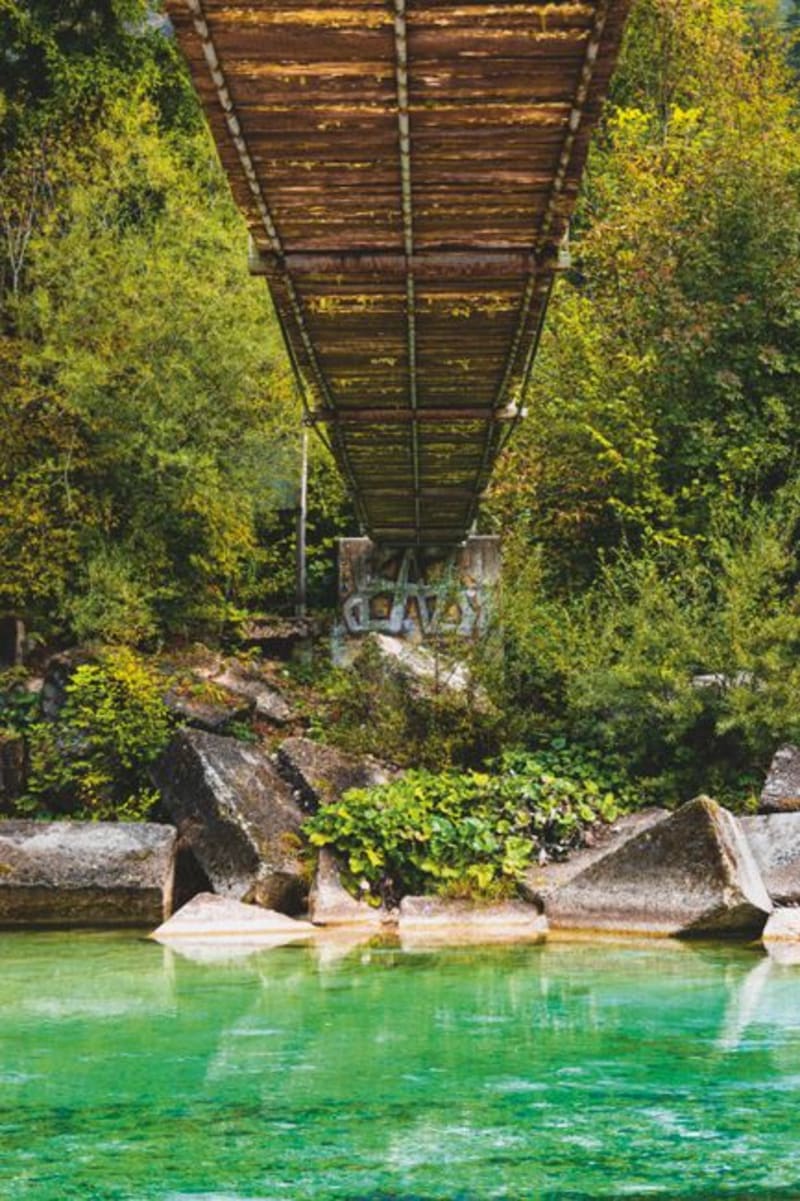
 Dolenjske Toplice
Slovenia's oldest recorded thermal spa town sits in a wooded valley of Dolenjska, its warm springs documented since the 1400s and its pace of life adjusted accordingly.
Explore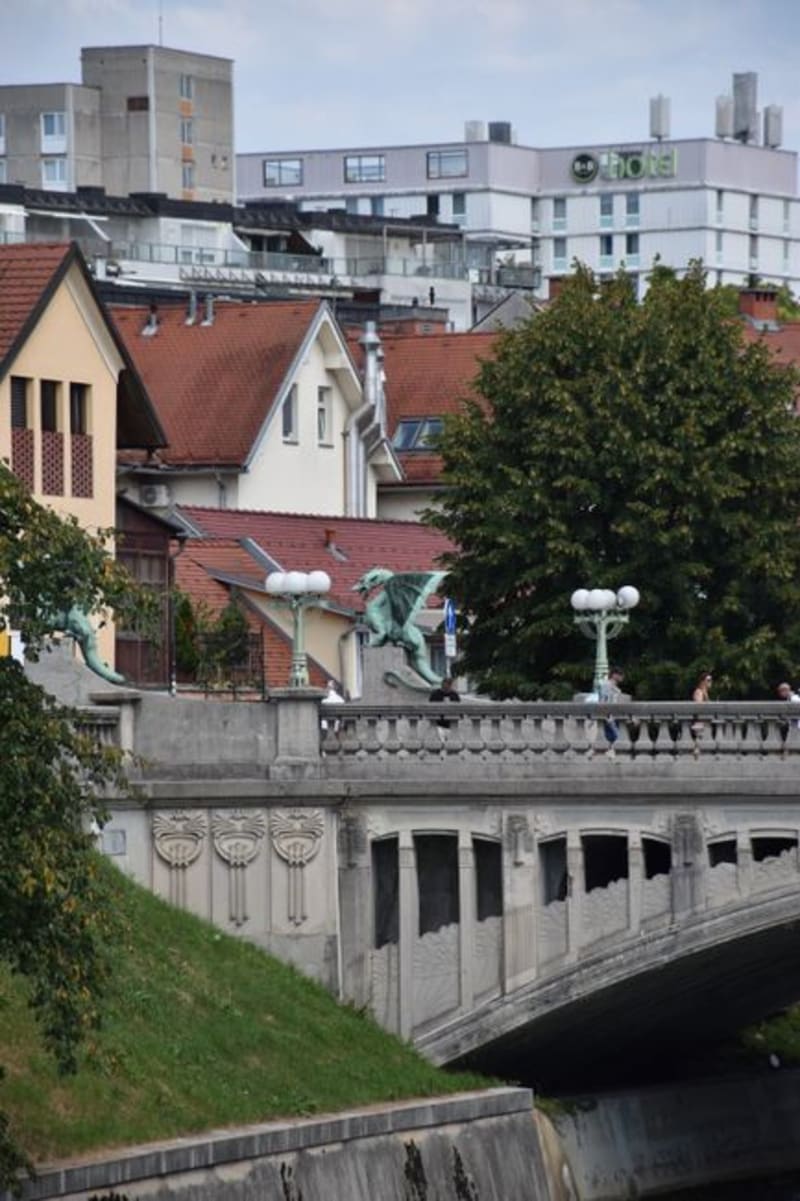 slovenia
 Dragon Bridge
Four bronze dragons guard Ljubljana's most theatrical bridge, a Secessionist masterpiece over the Ljubljanica with a legend attached to every scale.
Explore slovenia
 Fiesa
A tiny cove beach ten minutes from Piran's old town, backed by a freshwater lake and a chapel, that somehow still feels like a secret.
Explore slovenia
 Grad and Goričko
Slovenia's largest surviving Renaissance manor sits abandoned and half-wild at the edge of Goričko Nature Park, the remotest, least-visited corner of the country's rolling far-northeast.
Explore slovenia
 Haloze Hills
The steepest wine country in Slovenia, a folded landscape along the Croatian border where vines cling to slopes that seem almost too sharp to farm.
Explore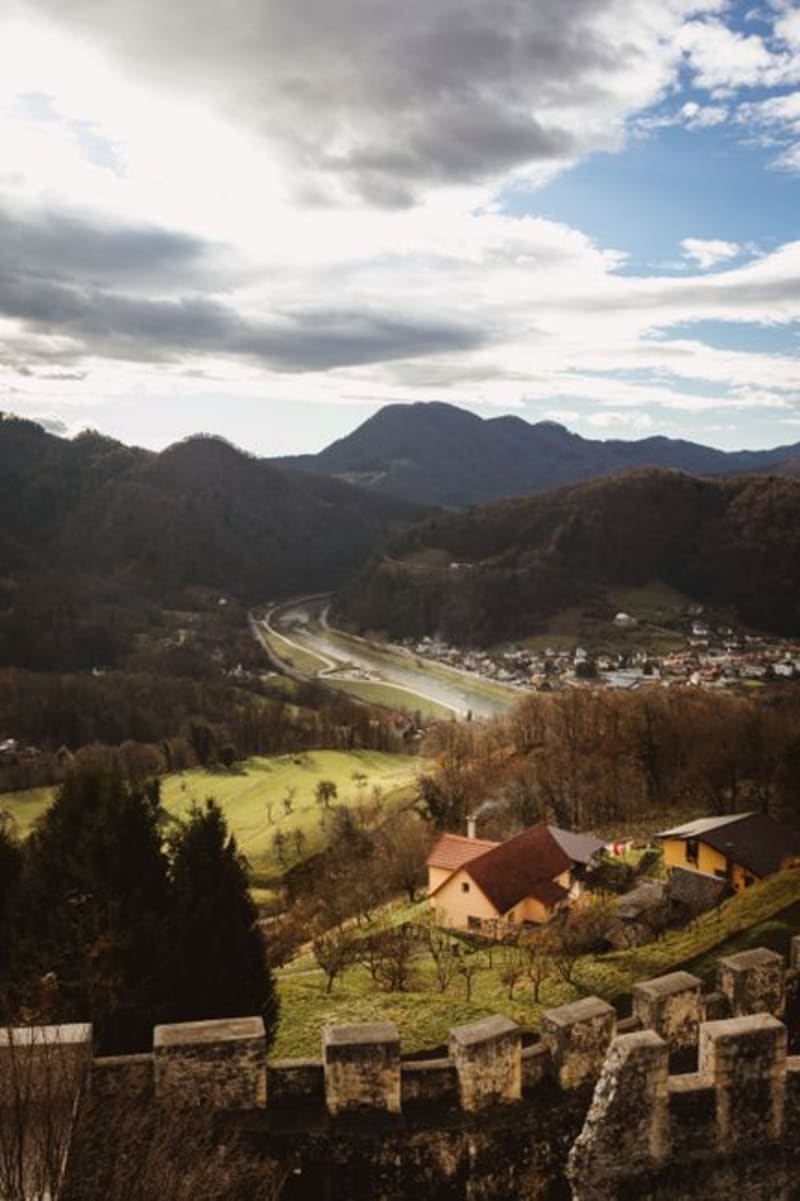 slovenia
 Hrastovlje
A fortified medieval church hiding one of Europe's most complete Dance of Death frescoes — skeletons leading a pope, a king, and a peasant to the same grave, painted on the walls of a chapel surrounded by defensive stone.
Explore