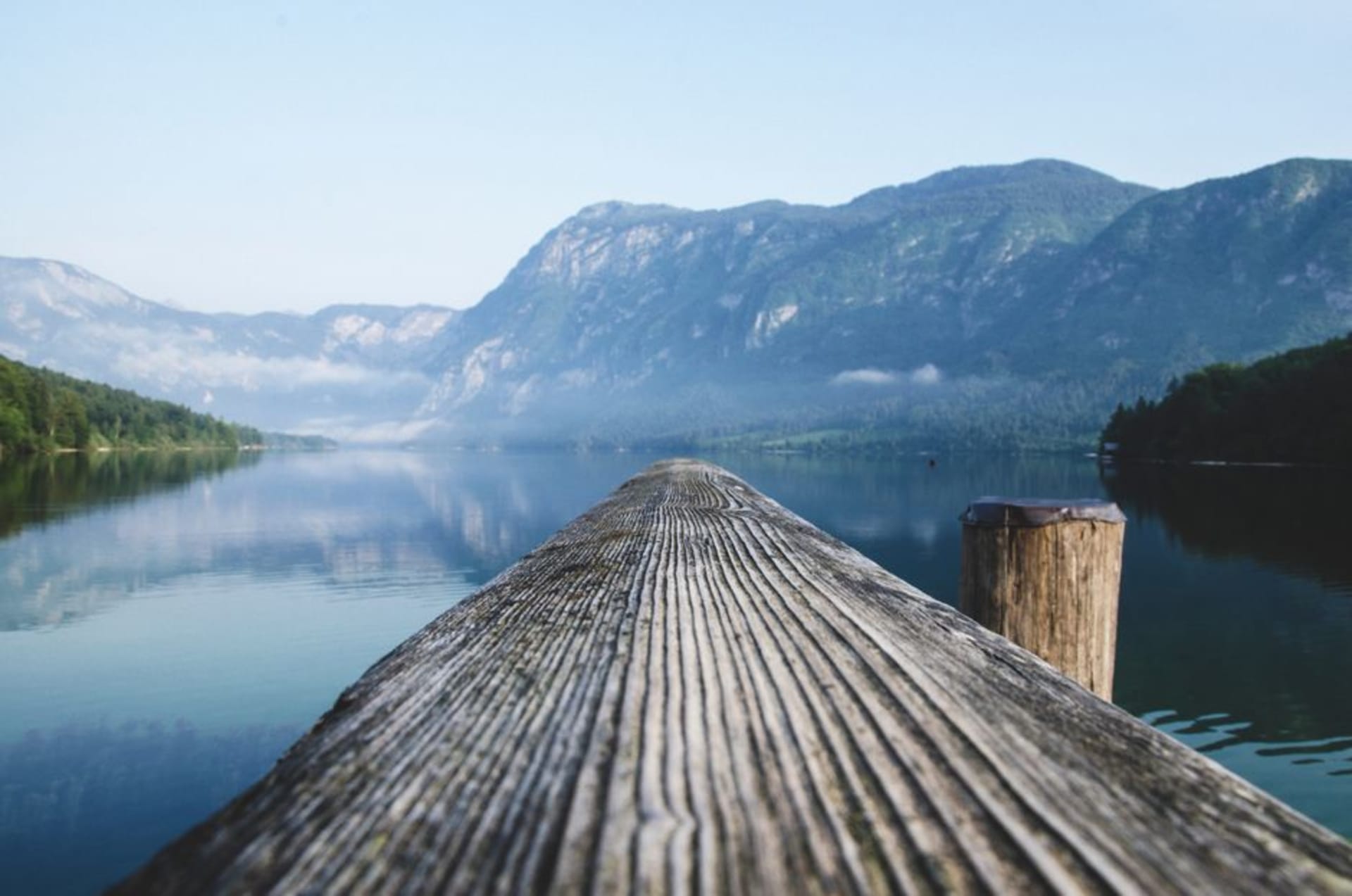
Lake Cerknica
"Kepler wrote about this lake before anyone understood how it worked, and it still isn't fully predictable."
An intermittent lake that vanishes underground each summer through a network of karst sinkholes and refills every autumn — one of Europe's strangest bodies of water, described by astronomer Johannes Kepler four centuries ago.
I drove out to Lake Cerknica expecting a lake and found, that particular week in late August, a grassy plain with cattle grazing on it and a few stubborn pools of water near the reed beds. This was not a mistake in timing so much as the entire point of the place. Cerknica is an intermittent lake — a polje, in the karst vocabulary — that fills with water in autumn and winter and drains away almost completely by mid-summer through a system of underground sinkholes called ponors, only to refill again when the rains return.
The Lake Kepler Wrote About
Johannes Kepler, the astronomer, described Lake Cerknica in 1689 in his treatise on the moon, citing it as evidence that strange, cyclical, seemingly impossible natural phenomena could have rational underlying mechanisms — an argument he was also trying to make about the tides. He got some of the specific mechanics wrong, understandably, given 17th-century hydrology, but the basic observation held: this lake genuinely disappears and reappears on a cycle that locals have learned to read but that outside visitors, myself included, tend to find slightly uncanny.
What Fills the Basin
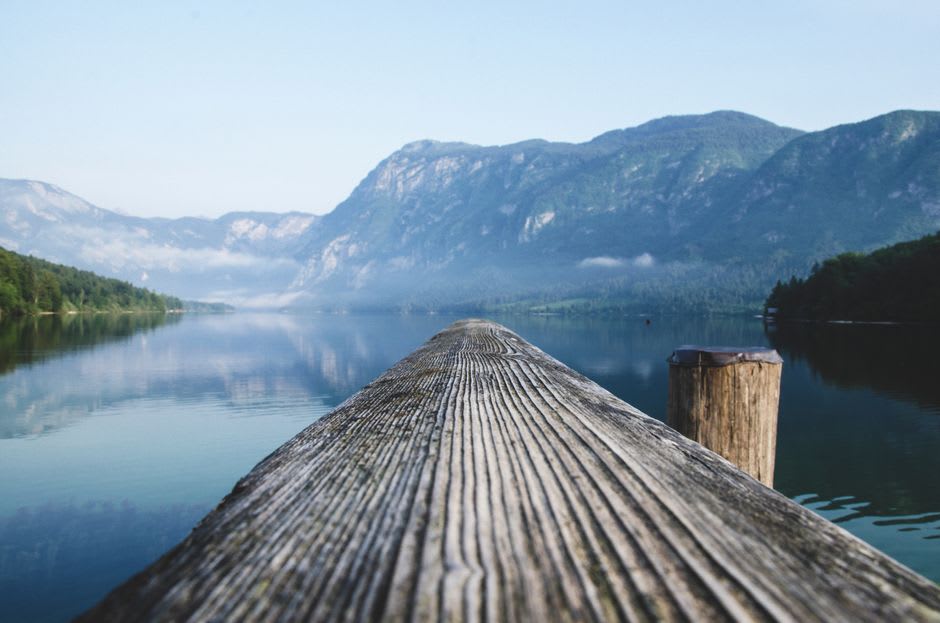
At full extent, usually between November and April, the lake covers as much as 26 square kilometers, making it briefly one of the largest lakes in Slovenia — deep enough for fishing boats, home to migratory birds that time their arrival to the water level, surrounded by wetland that supports species found almost nowhere else inland in the country. Locals fish, skate on it when it freezes, and treat its seasonal presence with a matter-of-factness that took me a while to absorb. Where I’m used to lakes being fixed geographic facts, here the lake is closer to a weather pattern.
Walking the Dry Basin
We came back in September, when the water had mostly withdrawn, and walked out onto the exposed lakebed on a marked trail through grassland dotted with sinkhole entrances, some barely a meter across, others large enough to see clearly into the dark. Standing over one, listening to water trickling somewhere below, it was easy to understand why Kepler found this landscape worth writing about — it behaves like something alive, breathing in and out on a seasonal rhythm nobody built and nobody fully controls.
When to go: November through April for the lake at its fullest, with birdwatching and boating; late summer for walking the exposed basin and understanding the karst hydrology firsthand. Either season tells a genuinely different story.