Slovenia's only natural island, home to a baroque church, ninety-nine stone steps, and a wishing bell that has been ringing wedding vows into existence for centuries.
Everyone who visits Bled sees the island from the shore within the first ten minutes. Far fewer actually get onto it, and I understand why — the pletna boat ride costs more than a bus ticket and takes longer than seems necessary for a body of water you could practically swim across. We did it anyway, on our second afternoon, mostly because Lia refused to leave Slovenia without ringing the bell.
The Boat That Isn’t Rowed
The pletna is a flat-bottomed wooden boat unique to Bled, propelled by a single oarsman standing at the stern working two oars in a figure-eight motion rather than rowing conventionally. The right to operate one is hereditary, passed down through a fixed number of Bled families for generations, and our oarsman — who looked to be in his sixties and moved like someone who’d done this ten thousand times — told us the license system dates back to a decree from Empress Maria Theresa in the 1740s.
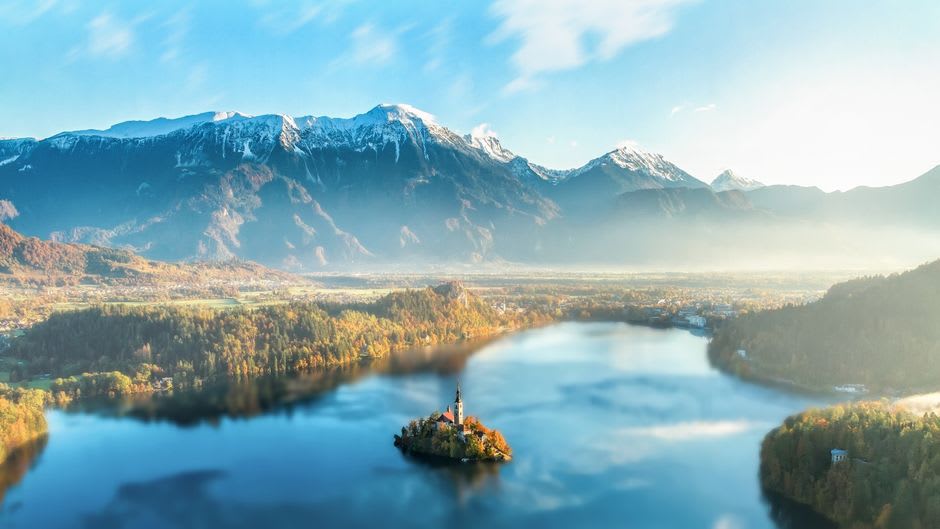
Ninety-Nine Steps and a Superstition
From the boat landing, a baroque stone staircase of ninety-nine steps climbs to the Church of the Assumption. Tradition holds that a groom should carry his bride up all ninety-nine in one go, without setting her down, for the marriage to hold its luck — a custom that has apparently derailed more than a few wedding days when the groom’s stamina didn’t match his intentions. We watched one determined groom attempt exactly this while a small crowd of onlookers, ourselves included, offered unhelpful encouragement from the sidelines.
The Wishing Bell
Inside the church, a rope hangs down from the bell tower, and the story goes that ringing it three times while making a wish guarantees that wish comes true — supposedly linked to a medieval legend about a widow who had a bell cast in memory of her husband, lost when the original bell sank into the lake during transport. I rang it, made a wish I won’t disclose, and Lia rang it right after, laughing at how seriously I’d taken the whole ritual for someone who claims not to believe in this sort of thing.
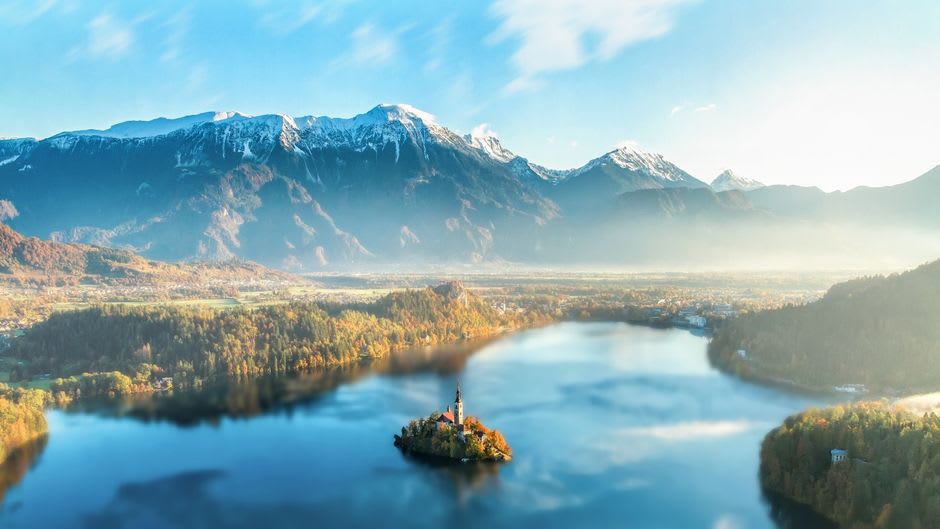
When to go: Early morning departures avoid both the crowds and the midday queue for pletna boats. Weekends in summer bring a steady stream of wedding parties, which is charming to witness once and mildly obstructive if you’re trying to see the church interior at your own pace.
Keep exploring
More from Slovenia
 slovenia
 Bogojina
A small Prekmurje village whose parish church, rebuilt by the architect Jože Plečnik, hides one of the most unexpectedly beautiful interiors in the country behind an unassuming brick exterior.
Explore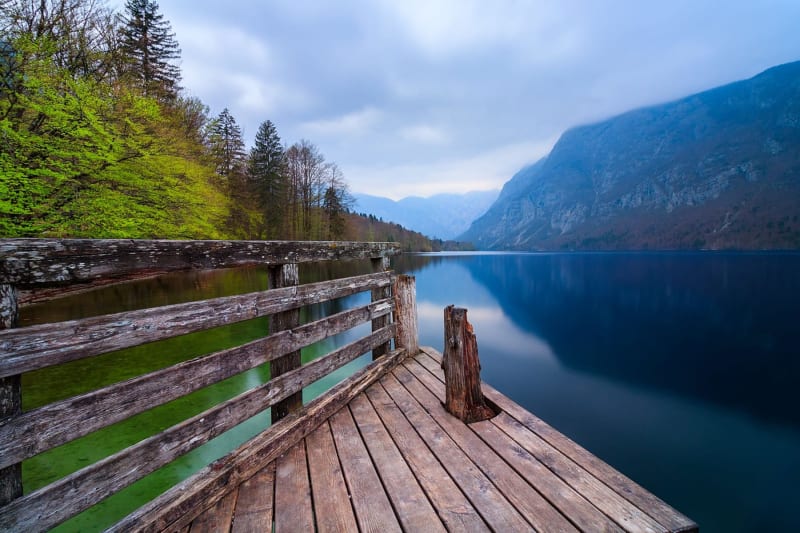 slovenia
 Bohinj
A glacial lake in the Julian Alps, wilder and quieter than its famous neighbor Bled — the Slovenia that hasn't been packaged for postcards yet.
Explore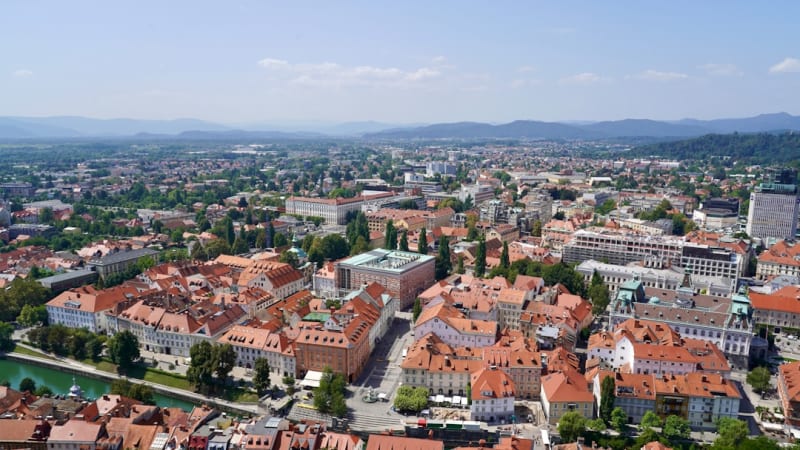 slovenia
 Ljubljana Botanical Garden
Central Europe's oldest botanical garden, a modest but densely planted refuge along the Ljubljanica where more than 4,500 plant species grow in quiet order.
Explore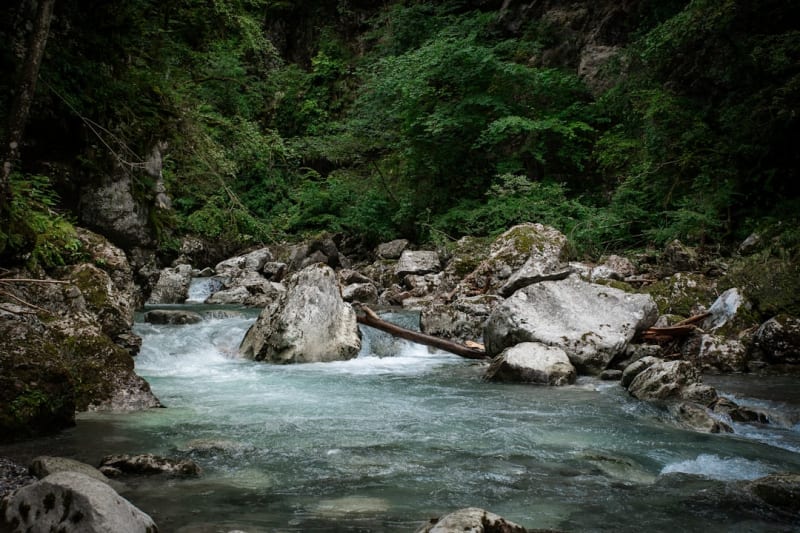 slovenia
 Bovec
The unofficial adrenaline capital of Slovenia, where the Soča River funnels every kayaker, rafter, and canyoner in the country into one small alpine town.
Explore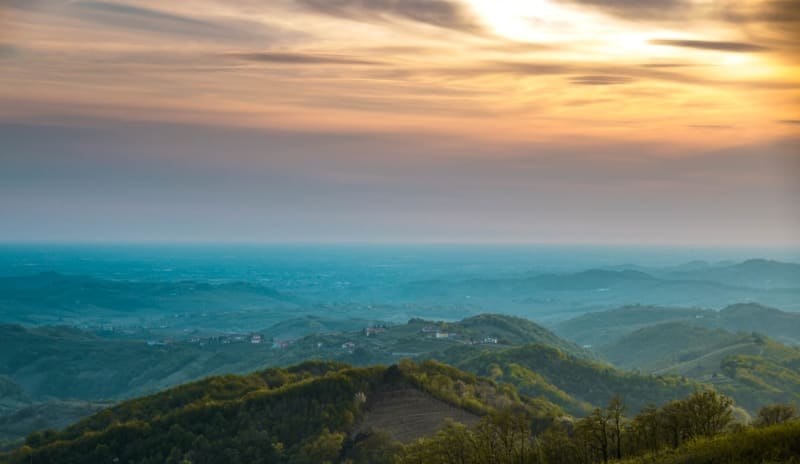 slovenia
 Brda
Rolling wine hills on the Italian border, often called Slovenia's Tuscany, where cherry orchards and vineyards blur seamlessly across a frontier nobody bothers to notice.
Explore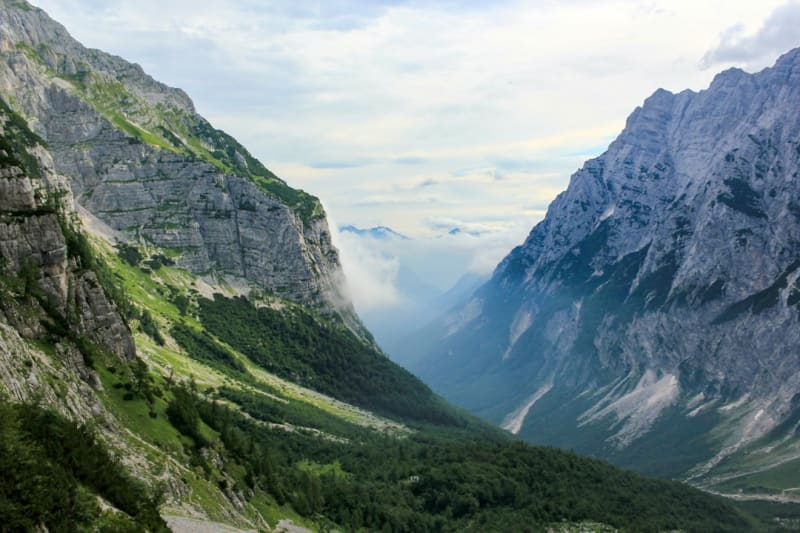 slovenia
 Celje
Slovenia's third city, ruled once by a dynasty that nearly became European royalty, still guarded by the largest medieval castle ruin in the country.
Explore