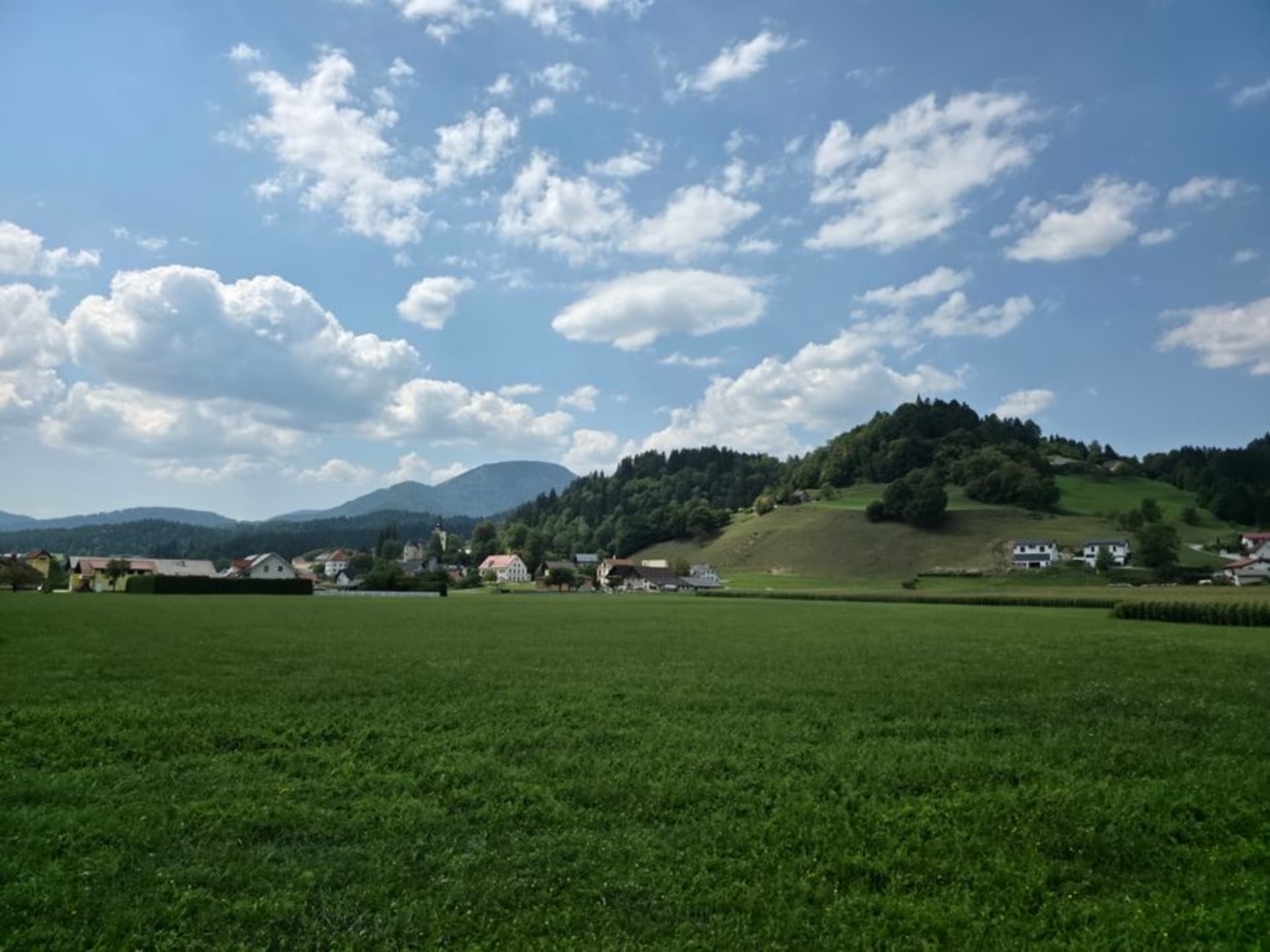
Slovenia's southernmost, sunniest, and most overlooked wine region, where the Kolpa river forms a natural border with Croatia and traditions survive that vanished everywhere else generations ago.
Every Slovenian we mentioned Bela Krajina to in Ljubljana reacted the same way: a slight pause, then “oh, it’s nice down there,” delivered with the tone of someone describing a relative they haven’t visited in years. That reaction alone made me want to go. It took us three hours south from the capital through increasingly empty roads before the hills opened into something that felt more Mediterranean than Alpine — vines, cherry orchards, and a warmth in the air that Slovenia doesn’t usually offer.
The White Land
Bela Krajina translates to White Land, and there are competing stories about why — some say it’s the white birch bark that once covered the hillsides, others point to the traditional white folk costumes that women still wear for festivals here, decades after most of Slovenia retired them to museum displays. Either way the name fits a region that feels bleached by sun in a way nowhere else in the country quite does. This is Slovenia’s warmest wine region, and it produces metliška črnina, a light, almost rosé-red wine unique to the area, along with the crisp white žametovka blends that rarely leave local restaurant lists.
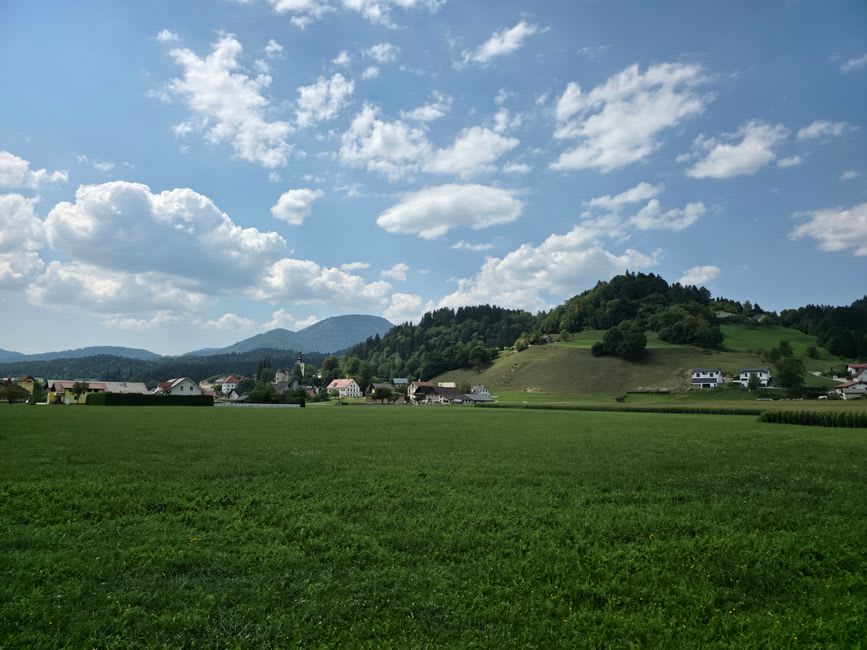
We stopped at a small family winery outside Metlika where the owner, an older man who’d inherited the vines from his father, poured us four glasses without asking and refused payment for the tasting, insisting we only buy a bottle “if you actually like it.” We actually liked it. The metliška črnina had a sourness to it that took a second sip to appreciate — closer to a light red wine crossed with cider than anything else I could place.
The Kolpa, Slovenia’s Warmest River
The Kolpa forms the border with Croatia along most of Bela Krajina’s southern edge, and it’s reputedly the warmest river in Slovenia — genuinely swimmable by June, which is not something you can say about most alpine-fed water in this country. We swam near the village of Vinica on an early July afternoon, the river a clear green-gold over smooth stones, Croatian farmland visible on the opposite bank close enough to make out individual cows.
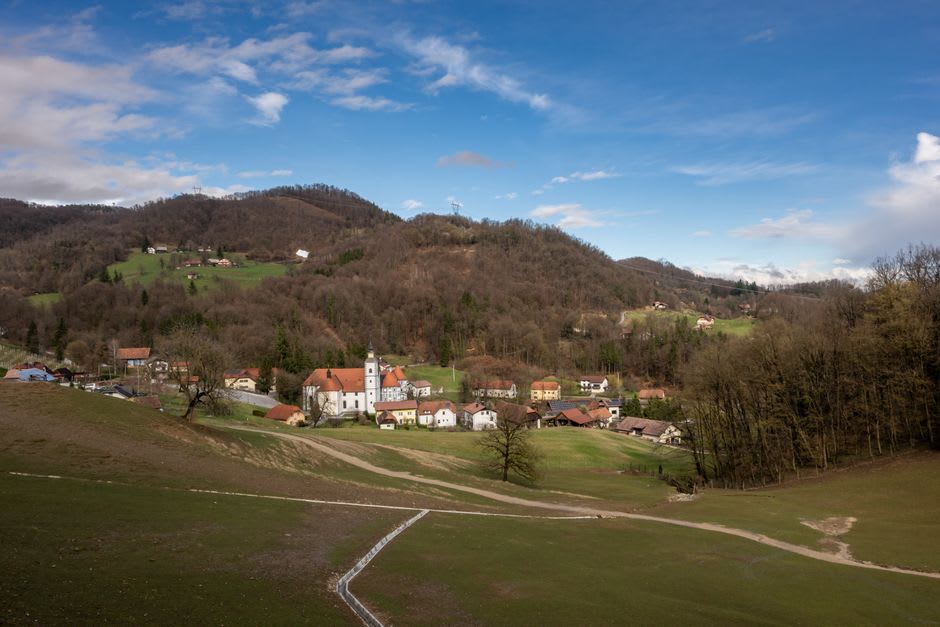
Črnomelj, the region’s low-key capital, sits on a bend of the Lahinja river and hosts the Jurjevanje festival each June — a midsummer celebration with roots that predate Christianity, involving a figure covered head to toe in greenery parading through town. We missed the festival by two weeks and consoled ourselves with burek from the town bakery instead, which was a fair trade.
What Slows You Down
There isn’t a single headline sight here, which is exactly the point. Bela Krajina rewards the kind of travel where you have no fixed plan for the afternoon — a winery, a swim, a walk through Semič’s old core, a nap under a cherry tree. It’s the region Slovenia forgot to package, and it shows in the best way: nobody’s trying to sell you anything.
When to go: June through August for river swimming and the warmest weather in the country. Late September for wine harvest, when the wineries are busiest and most willing to talk.