Pelling
"I've seen big mountains before. Kangchenjunga from Pelling is something else — it doesn't fit in a photograph or a sentence."
The road to Pelling climbs through cardamom plantations so thick they block the light. The smell hits before you can see anything — green and spiced and damp, the cardamom pods fat and pale against the dark stems. I arrived in the late afternoon when the clouds had already closed in over the western sky and thought: typical. Booked a room, ate dinner, went to bed with no view at all.
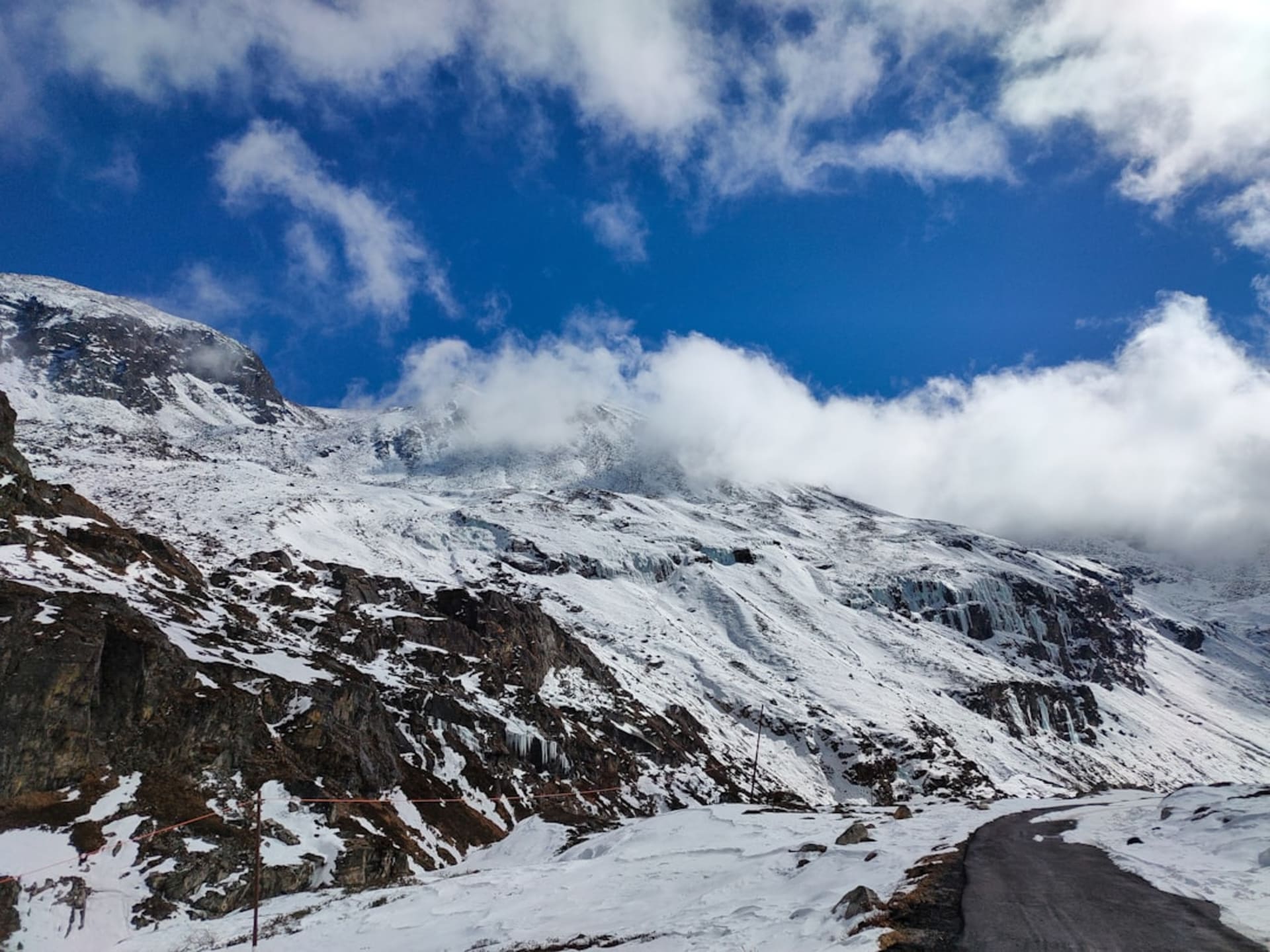
At five in the morning I woke up for no reason I can explain. I opened the curtain. Kangchenjunga was there, lit from below by a sunrise I couldn’t see yet, the third-highest mountain on earth glowing orange and white in the predawn dark while the valley below was still completely black. I stood at the window for an hour without moving.
Sangachoeling Monastery and the Forest Walk
The oldest monastery in Sikkim sits on a hill above Pelling and requires a forty-minute walk through dense oak and rhododendron forest to reach it. I went on a drizzly morning when the path was soft underfoot and the trees were dripping. The monastery itself is modest in size but perched at an angle that makes you feel like it’s been watching over the valley for exactly as long as it has — since the seventeenth century.
Inside, a single monk was repainting a mural with brushes that looked thinner than matchsticks. He waved me in without looking up. The smell was butter lamps and old wood and something else I couldn’t identify, something dry and ancient that monasteries in the Himalayas all seem to share.
Khecheopalri Lake
Twenty-four kilometers north of Pelling, this small lake sits in a bowl of forested hills considered so sacred that no leaf is allowed to float on the surface — local tradition holds that birds remove any fallen leaves before they touch the water. I arrived skeptical about this and left less so. The surface was completely clear, perfectly still, reflecting the surrounding pines in water so dark green it looked black.
Lia found a spot on the wooden walkway along the shore and sat for longer than I expected. There’s a quality of silence at Khecheopalri that’s different from simply being quiet — it’s a lake that seems to be paying attention.
The Rimbi River Valley
Below Pelling, the Rimbi River cuts through a gorge that you can follow on foot for a few kilometers before the trail gives out. The water is fast and pale green from glacial melt, and the rocks along the banks are covered in a lichen so orange it looks painted. I spent a morning walking as far as the trail allowed, eating mandarins from a bag I’d bought at the market in town, throwing the peels into the river and watching them disappear.
This is what Pelling does best — not the town itself, which is serviceable but unremarkable, but the countryside it opens into. Every direction leads somewhere that requires very little effort to feel completely remote.
Eating in Pelling
The local restaurants along the main strip serve Sikkimese thali that includes gundruk (fermented leafy greens), kinema (fermented soybeans with a smell that will test your commitment), and dal that’s thinner and more sour than the North Indian version. The combination took me two meals to appreciate. By the third I was ordering it without looking at the menu.
When to go: October through December for the clearest mountain views — Kangchenjunga is reliably visible most mornings and the air is sharp and cold. Spring (March-May) brings rhododendron color but more cloud cover. Avoid the monsoon months entirely: June through September the mountain disappears for weeks at a time and the roads get dangerous.