The Mechanics of Extreme Cold
There is a temperature at which cold stops being a matter of degree and becomes something categorical. Minus forty is that temperature — the point where Celsius and Fahrenheit coincide and the distinction stops mattering. In Yakutsk in January, minus forty is an ordinary Tuesday.
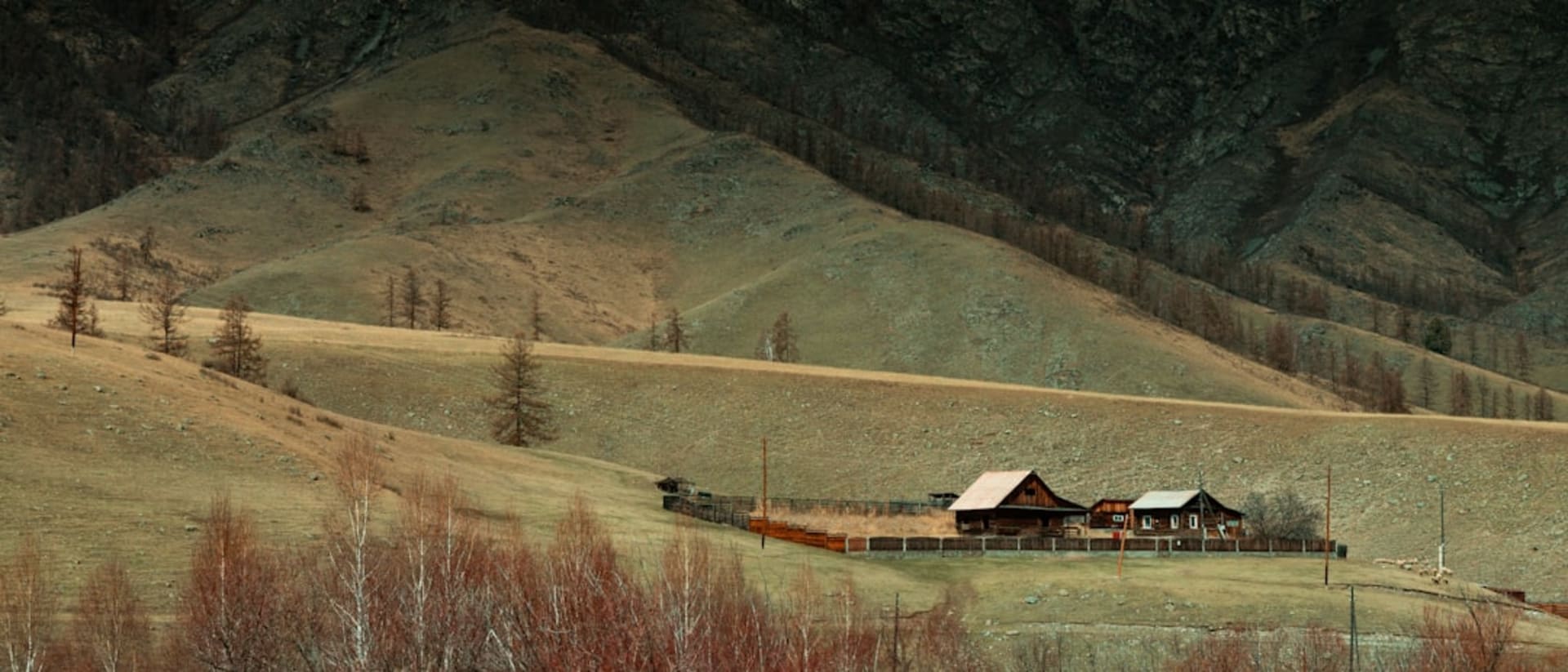
I arrived in March, which is the acceptable version: minus thirty, occasional sun, the Lena River still a white road stretching north toward the Arctic. The airport had triple-glazed doors with a heated vestibule between outside and inside. The cab driver’s engine was already running when he pulled up — he’d never turned it off. Nobody turns their engine off in Yakutsk from November to April. The infrastructure of cold is everywhere once you start looking: cars idling overnight, water pipes wrapped in insulation the diameter of a water heater, wooden homes built on piles because the permafrost can’t be trusted to hold a foundation flat.
What the Ground Is Doing
The permafrost museum isn’t glamorous — it’s a series of tunnels drilled into the frozen earth beneath a Soviet-era research institute. But it is genuinely strange. The ice lining the tunnel walls is between ten and twelve thousand years old. Mammoth bones sit in display cases dug out of the permafrost in essentially pristine condition. At one point I pressed my hand against the ice wall and felt the cold radiating out of geological time, which is a sensation I can’t quite describe and haven’t stopped thinking about.
The city itself is built almost entirely on permafrost, which creates engineering problems the Yakuts have solved in ingenious and sometimes visually striking ways. Buildings on piles. Pipes running above ground and insulated. The central market building had shifted slightly over the decades and the doorframe was no longer quite square — you notice only because the gap lets in a blade of cold that crosses the room like a knife.
Sakha Culture and Diamonds
Yakutsk is the capital of the Sakha Republic, which is a large piece of Russian geography to hold in mind: larger than Argentina, with a population of about a million people. The Sakha are Turkic, not Slavic, and their culture has survived contact with Russia in ways that remain visible in the city. The Yakutian National Museum is serious and well-curated, covering everything from the Pleistocene to the Soviet period. The traditional clothing on display — beaded coats, fur work of extraordinary density — made sense here in a way museum exhibits don’t always manage.
The republic also sits on a significant portion of the world’s diamond reserves. De Beers was never able to crack it. The diamond processing plant runs tours; the guide explained the grading process with the patient exhaustion of someone who has explained it several hundred times.
Food and Survival Strategy
Lia had done the research on food, which was wise. The signature dish is stroganina — raw frozen fish, shaved into curls with a knife and eaten with salt. The texture is silk. The flavor is clean and faintly mineral. We ate it in a wood-paneled restaurant where the other diners were mostly families in their Sunday best, children eating raw frozen fish with the bored competence of children who’ve been doing this since they could hold a fork.
When to go: February and March for manageable extreme cold — minus twenty-five to minus thirty-five — with real daylight and the ice road across the Lena still open. June and July for the midnight sun, warmer temperatures around fifteen degrees, and boat access to the Lena Pillars. Avoid January unless you’ve specifically prepared for minus fifty.