Curieuse Island
"I gave way to a tortoise on the path, because out here, frankly, it had right of way."
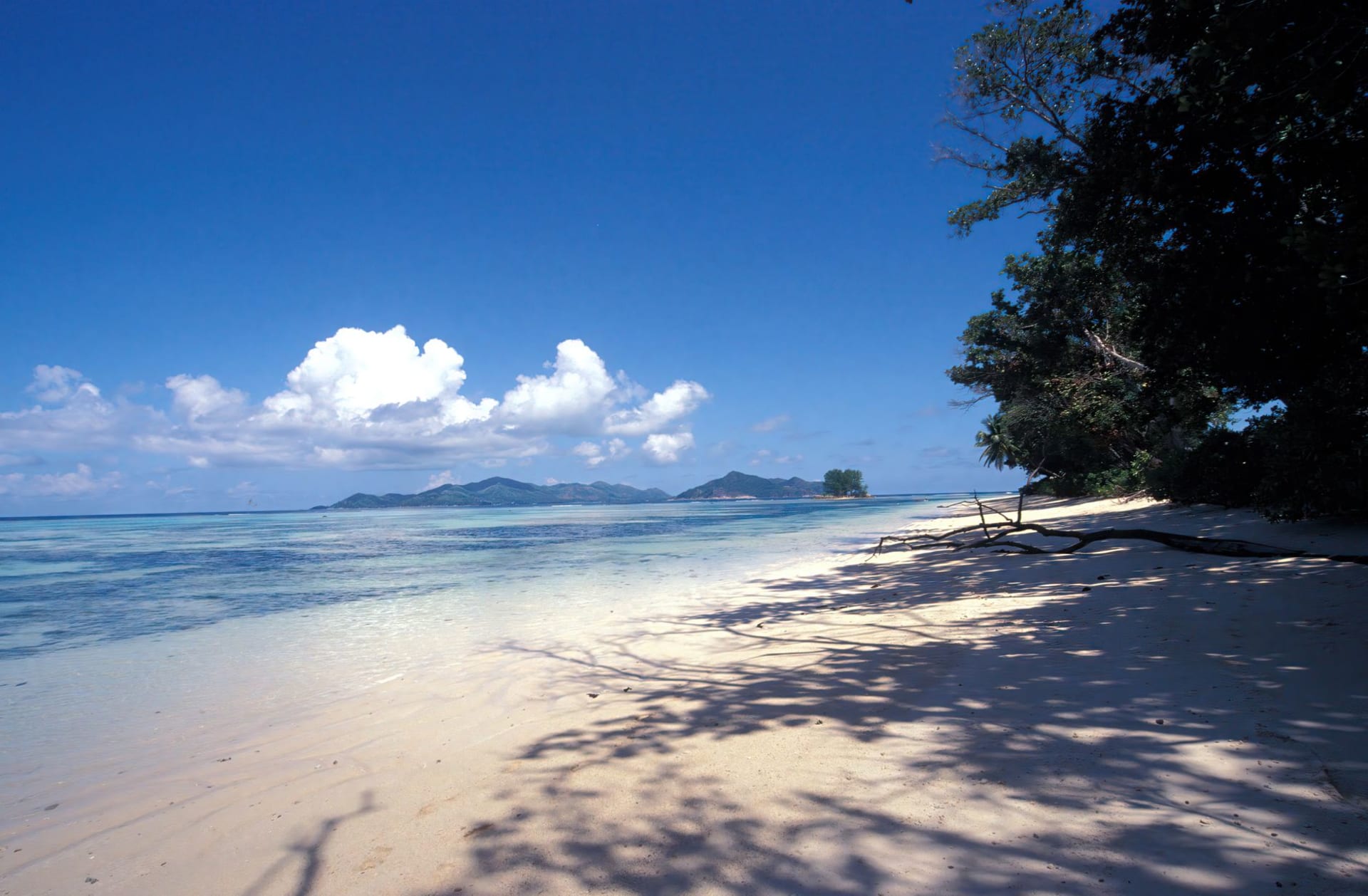
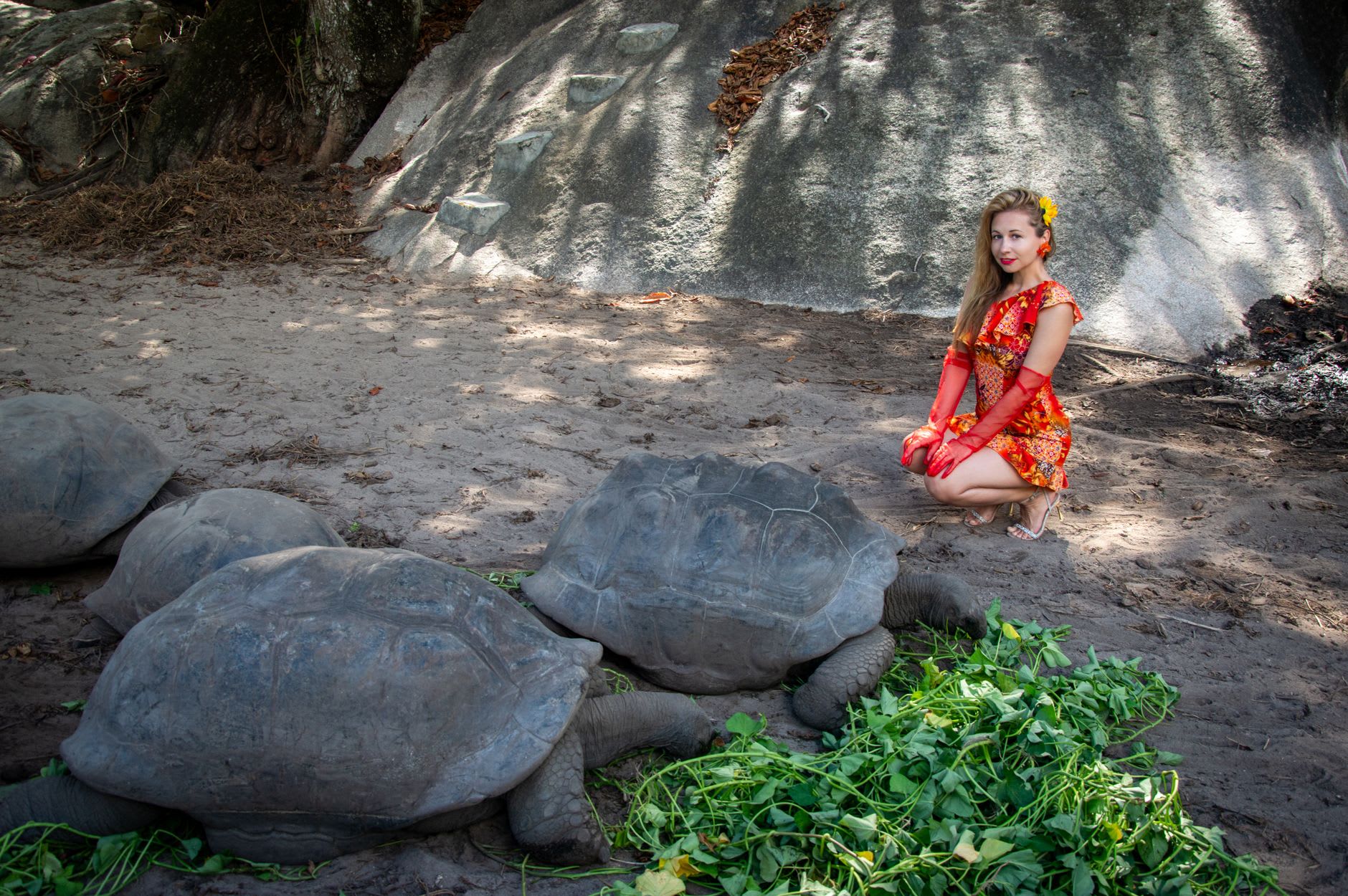
You take a small boat from Praslin, twenty minutes across water so absurdly clear it feels like a screensaver, and you land on a beach of red sand under takamaka trees. Curieuse looks at first like every other Seychelles postcard. Then a giant tortoise the size of a coffee table lumbers across the path in front of you, entirely indifferent to your existence, and you understand this island operates by different rules. There are around three hundred Aldabra giant tortoises living free here, and they were here first, and they know it.
Walking with Giants
Curieuse is uninhabited now, but it has a strange human history — it was a leper colony from the 1830s, and the old Doctor’s House still stands near the landing beach, restored and faintly melancholy. The tortoises were brought in later as part of a breeding programme, and they have thoroughly taken over. They graze the clearings, doze in the shade, and block the trails with the unhurried confidence of creatures that can live past a hundred and fifty years.
I made the mistake of trying to walk around one. Lia pointed out, correctly, that the tortoise was not going to move and that I had nowhere to be. So I sat down on the red earth and waited, and the tortoise regarded me with one ancient, hooded eye, and after a while extended its neck to be scratched — they like that, it turns out, in the loose skin under the jaw. I scratched a hundred-year-old reptile under the chin on a tropical island and it closed its eyes, and I thought: this is a better afternoon than I had any right to expect.
The Mangrove Boardwalk
The other half of Curieuse is something I’d never seen elsewhere in the Seychelles: a proper mangrove forest, threaded by a wooden boardwalk that crosses from the south beach to Anse Saint-José on the north. Eight species of mangrove grow here, their roots clawing up out of the brackish mud, and the whole place has a still, primeval hush broken only by the plop of crabs and the occasional fruit bat dropping out of a tree like a badly folded umbrella.
The walk is hot and the boardwalk planks were missing in places, so we picked our way across the gaps over black tidal mud while Lia narrated the various ways I could break an ankle. We emerged at Anse Saint-José, a long empty curve of beach where a ranger boils tea for the boat groups, and ate our lunch watching the tortoises that had, naturally, beaten us there.
The snorkelling off Curieuse, in the marine park between here and St Pierre islet, is some of the best easy snorkelling I’ve done — warm, shallow, thick with parrotfish and the odd unbothered turtle. But it was the tortoises I kept thinking about on the boat back. There is something clarifying about spending a day among animals that measure time in centuries and find you, at best, mildly interesting.
When to go: April, May, October, and November sit between the two monsoon winds and give the calmest seas for the crossing and the clearest water for snorkelling. Curieuse is a day trip — there’s no accommodation — so go early, bring water and reef-safe sunscreen, and budget the marine park fee.