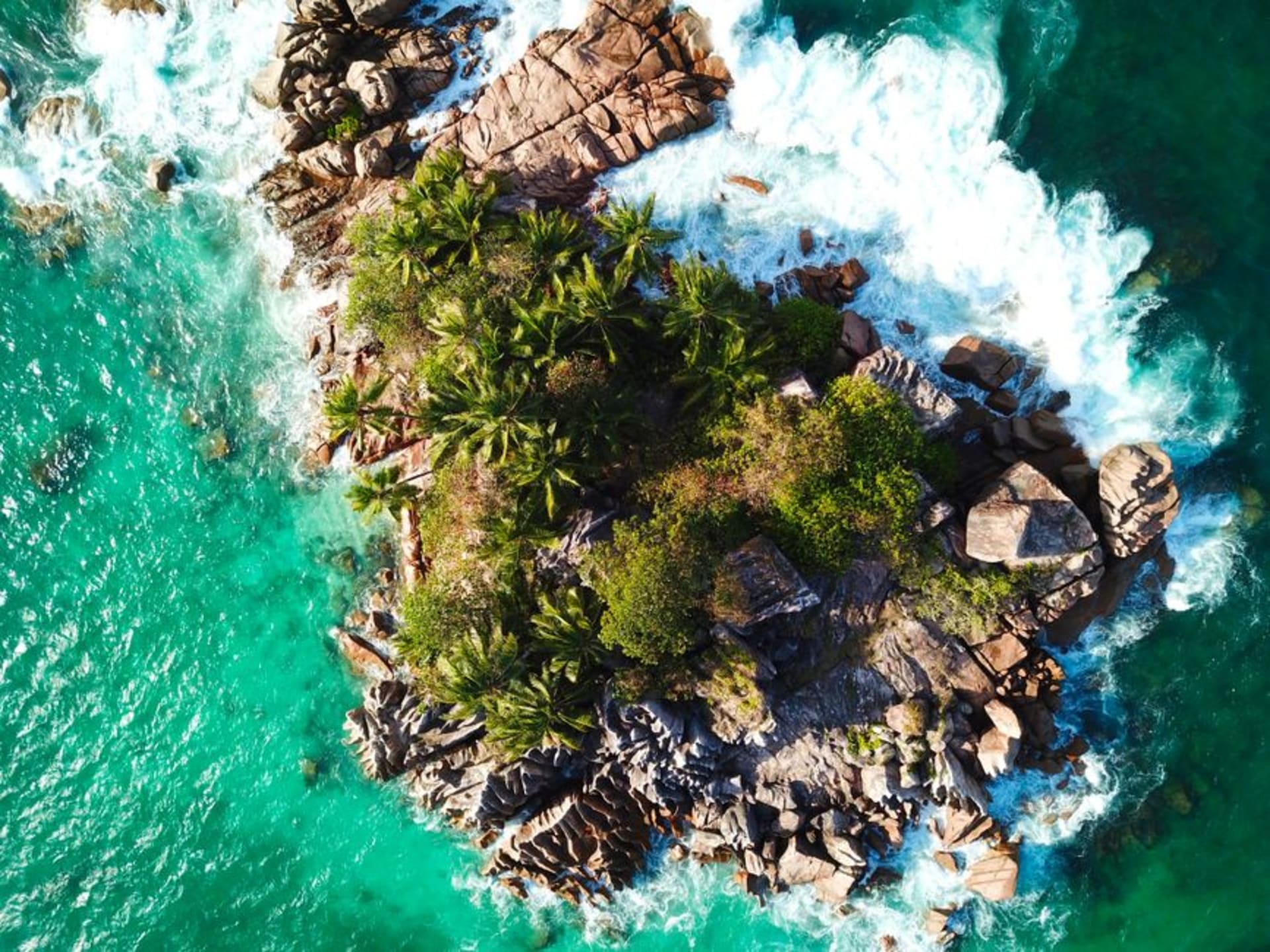
Bird Island
"There's a point on Bird Island where the noise of a hundred thousand terns stops sounding like chaos and starts sounding like the ocean itself breathing."
A sand cay at the northern edge of the Seychelles where sooty terns blacken the sky and Lia and I felt like we'd run out of world.
I’ll admit I underestimated Bird Island before we got there. Mahé had already spoiled us with granite peaks and warm lagoons, and I figured one more sandy speck a short flight north couldn’t possibly top it. Then the little twelve-seater dropped altitude over a pale ring of coral sand with nothing else around it for kilometers, and Lia grabbed my arm and just said “look.” That’s the thing about Bird Island: it’s the northernmost scrap of the entire Seychelles archipelago, a low coral cay sitting on its own reef platform, not one of the dramatic granite islands we’d gotten used to. It felt like the map had simply run out.
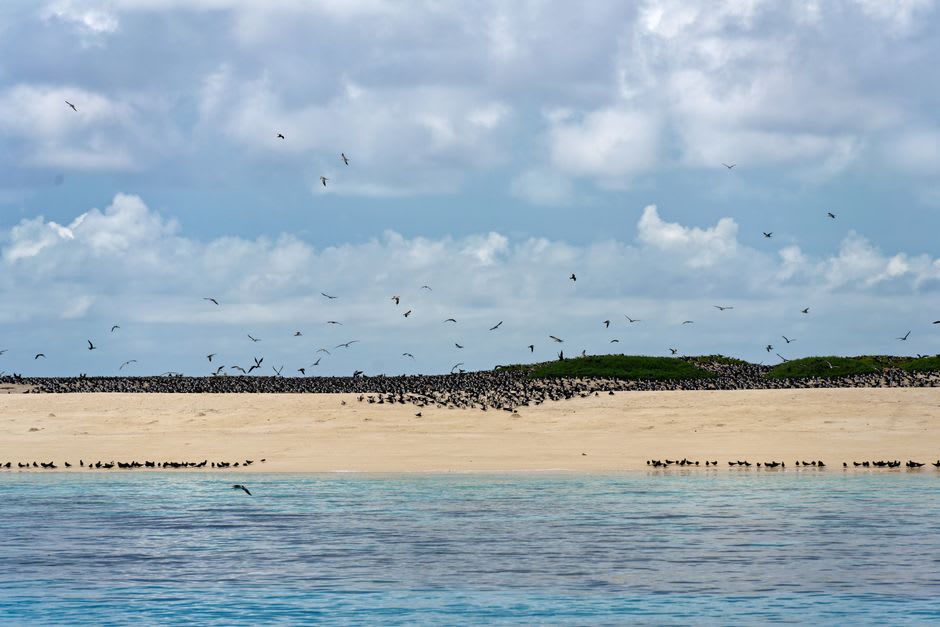
We landed in late June, which turned out to be exactly the right call. The island’s sooty tern colony was in full swing, and I mean full — locals here have talked about numbers in the hundreds of thousands during peak season, and even at a fraction of that, the noise hit us before we’d even unpacked. Lia, who grew up inland and had never really been around seabird colonies, stood at the edge of the nesting zone with her mouth open, watching the sky flicker black and white. I’ve traveled a lot, but I don’t think I’d ever seen wildlife just take over a place so completely.
The eco-lodge is the only development on the island — no other hotels, no village, nothing competing with the birds and the reef. We ate grilled fish that had come out of the water that same afternoon, and one evening the lodge staff told us about Esmeralda, a giant tortoise who lived here and was long claimed to be one of the oldest living tortoises in the world before she died in 2012, over 170 years old by some estimates. I found myself doing the math obsessively for days afterward — an animal that had been alive since before photography existed, wandering this same small patch of sand.
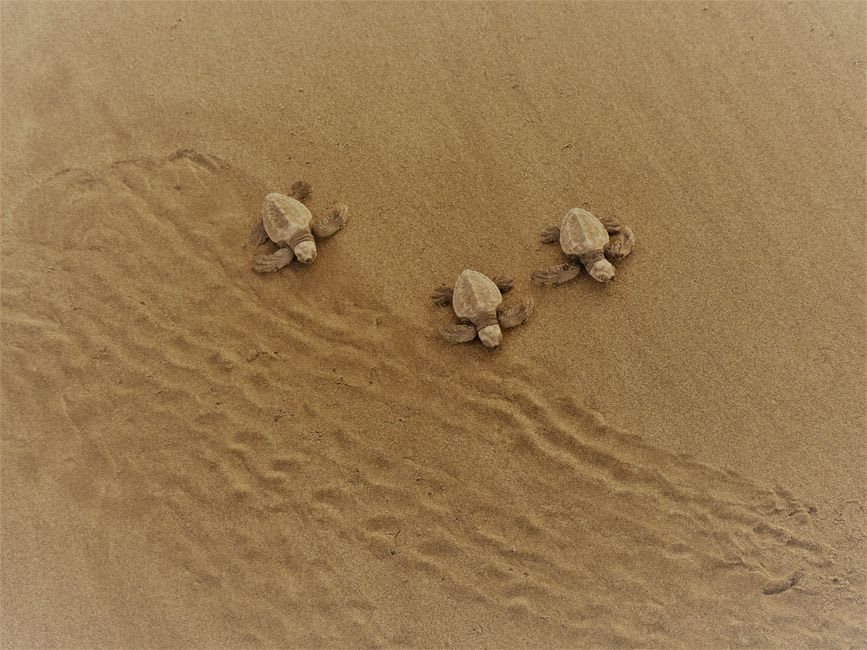
What stayed with me most, though, were the early mornings. We’d walk the beach before breakfast and find fresh hawksbill turtle tracks pressed into the sand from the night before, arcing up from the water and back again. One of the boat guides mentioned, almost offhand, that whale sharks feed in the waters just offshore — we didn’t see one, but knowing they were out there past the reef changed how I looked at the horizon for the rest of the trip. Bird Island isn’t a place with much to “do” in the conventional sense. It’s a place where you slow down enough to notice everything happening around you.
When to go: Aim for May through October if you want the sooty tern colony at its loudest and largest — outside that window, the island empties out and turns into something quieter, almost eerily still.