
La Digue's secret southern beach, reached only on foot through boulder fields and forest — the reward proportional to the effort of getting there.

My guide for Anse Marron was a man named Franky who met me at the southern end of La Digue’s coastal road at seven in the morning carrying nothing but a water bottle and a machete he didn’t end up needing. The walk is technically possible without a guide, but the path crosses private land and the route through the boulder field toward the end is genuinely confusing — a maze of granite walls and narrow corridors that all look similar, some of which lead to ledges with drops to the sea and some of which lead forward. Most visitors who attempt it solo turn back or end up at the wrong beach. Franky had done this walk perhaps three hundred times and moved through the rock corridors without hesitation, which told its own story.
The first section of the walk is pleasant and shaded — a track through the southern part of La Digue’s agricultural interior, past small vegetable gardens and breadfruit trees and a stretch of forest that smelled of leaf litter and something faintly sweet that I kept trying to identify. Franky told me it was wild cinnamon, which grows here as an understory tree and releases its fragrance in the heat of the morning. He broke a small twig and handed it to me and the smell was precisely cinnamon — not the bark you find in markets but the living tree, sharper and more complex. I carried the twig for the rest of the walk.

The boulder section begins about forty minutes from the road and continues for perhaps another thirty minutes of careful movement — climbing over, squeezing between, occasionally dropping down into channels between granite walls where the rock is smoothed and sea-worn even though you’re several meters above the current tide line, testament to how high the surge can reach in storm season. In one of these corridors the walls close to perhaps fifty centimeters and the floor is a long granite slope at fifteen degrees, and Franky moved through it without looking down while I watched my footing with extreme attention.
The beach, when it appears, is small and nearly enclosed — a curve of coarse sand between boulder walls, the water a deep green-blue that goes dark very quickly offshore, a single coconut palm leaning over the southern end at a forty-five-degree angle in a posture of permanent wind-bent resignation. There was no one else there. There was no one else for the hour I spent there, or the hour Franky and I spent eating breadfruit chips he produced from his bag and watching the water move in and out of a natural rock pool at the base of the northern headland. The sound was entirely ocean — surge in the channels, the distant percussion of the reef, the quiet between.

What I found at Anse Marron wasn’t better beach than Anse Source d’Argent — the sand is coarser, the swimming more guarded, the setting less picturesque in the conventional sense. What it offered instead was the quality of genuine remoteness: a place where the effort required to arrive functions as a kind of natural filter. The beach does not welcome everyone, and what it keeps for those who make it is a silence and a solitude that the famous beaches on La Digue will never be able to offer again.
Franky and I took the same path back. He stopped to point out a gecko on a granite face, almost invisible against the orange stone. The cinnamon twig was still in my hand when we reached the road.
When to go: Anse Marron requires a local guide — arrange one through your guesthouse or through the La Digue tourism office. The walk takes about two hours each way. Go in the dry season from May to October when the path is least slippery. Wear shoes with grip, not flip-flops. The sea conditions at the beach itself can be rough — check with your guide before swimming.
Keep exploring
More from Seychelles
 seychelles
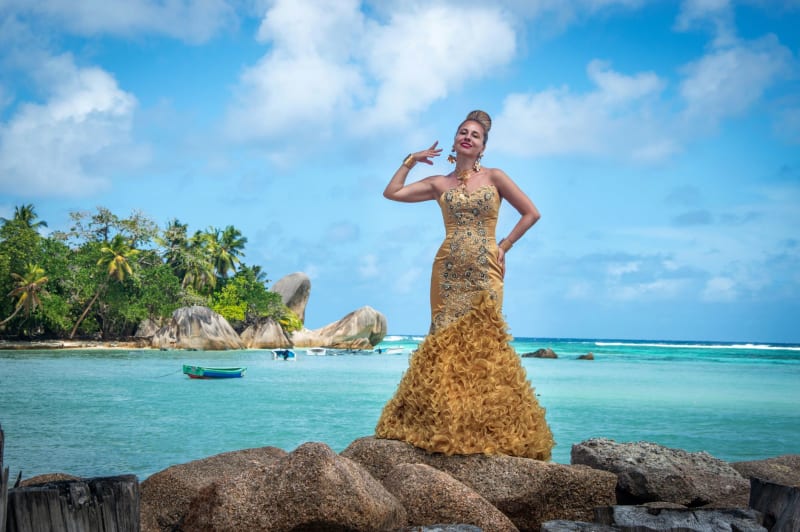
 Anse Source d'Argent
The world's most photographed beach, where ancient pink granite turns every hour of light into something unrepeatable.
Explore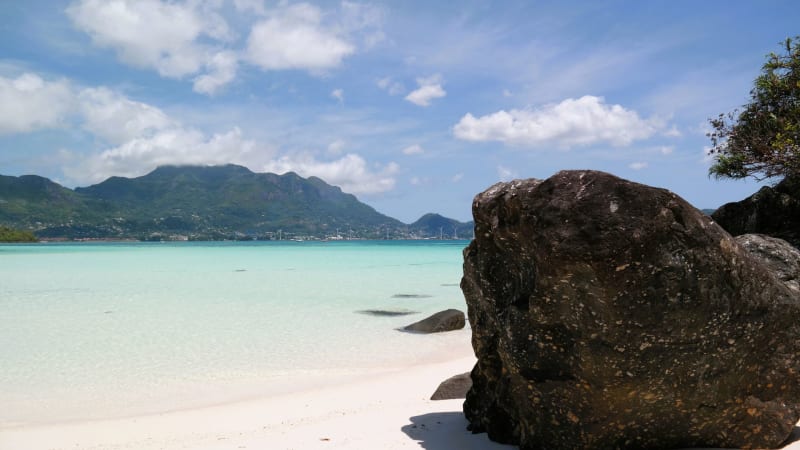 seychelles
 Beau Vallon
Mahé's long social beach where fishing boats and tourist kayaks share the same turquoise water and Saturday night smells of charcoal and fresh tuna.
Explore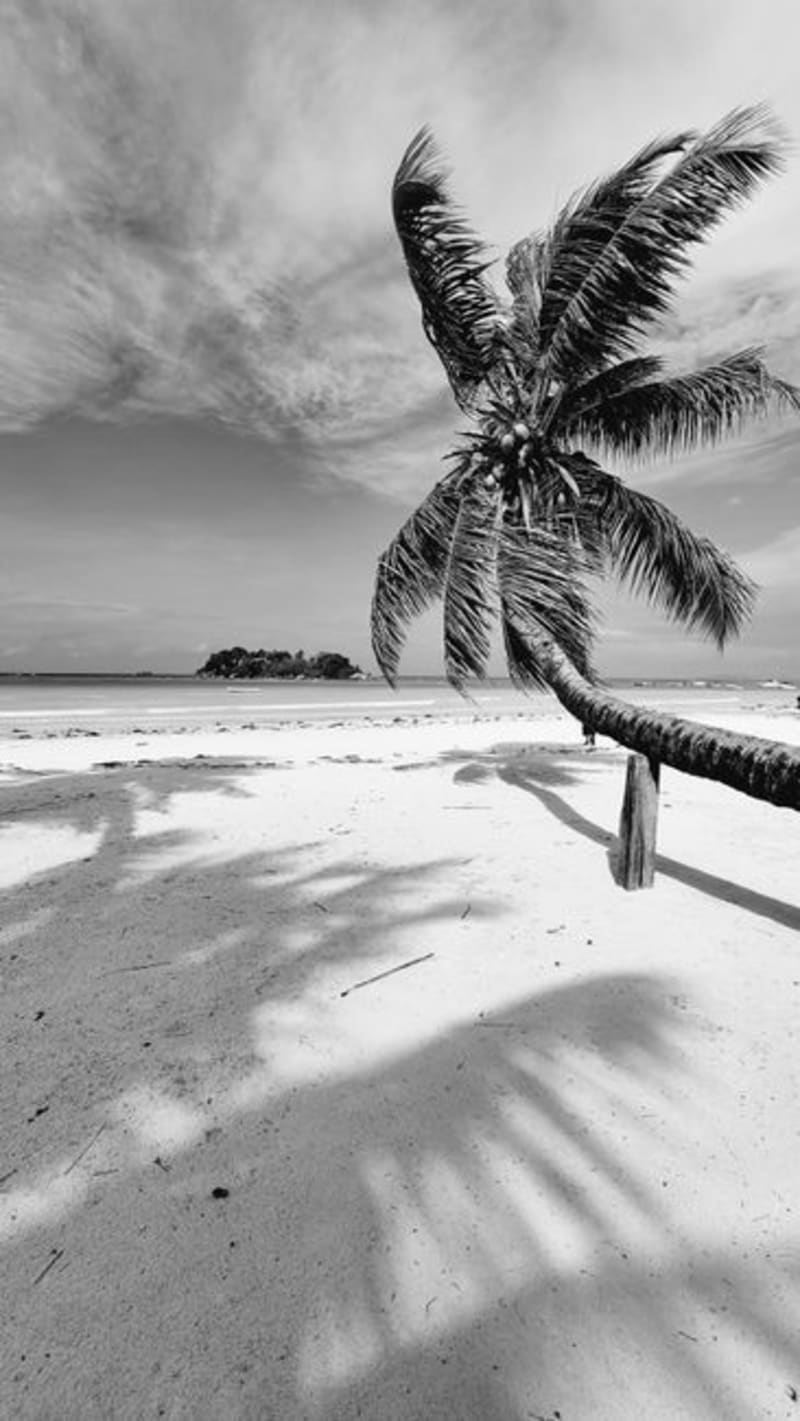 seychelles
 Bird Island
A sand cay at the northern edge of the Seychelles where sooty terns blacken the sky and Lia and I felt like we'd run out of world.
Explore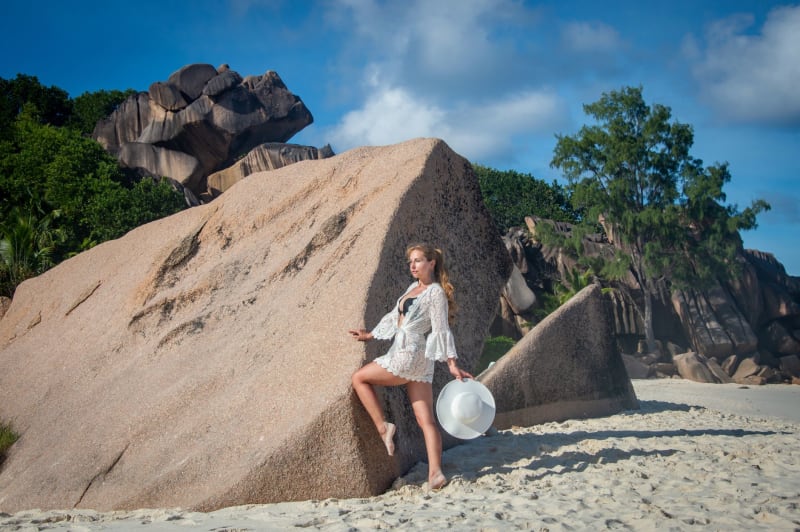 seychelles
 Cousin Island
A tiny rewilded bird sanctuary off Praslin where frigatebirds, fairy terns, and hawksbill turtles outnumber human visitors by a ratio that keeps you humble.
Explore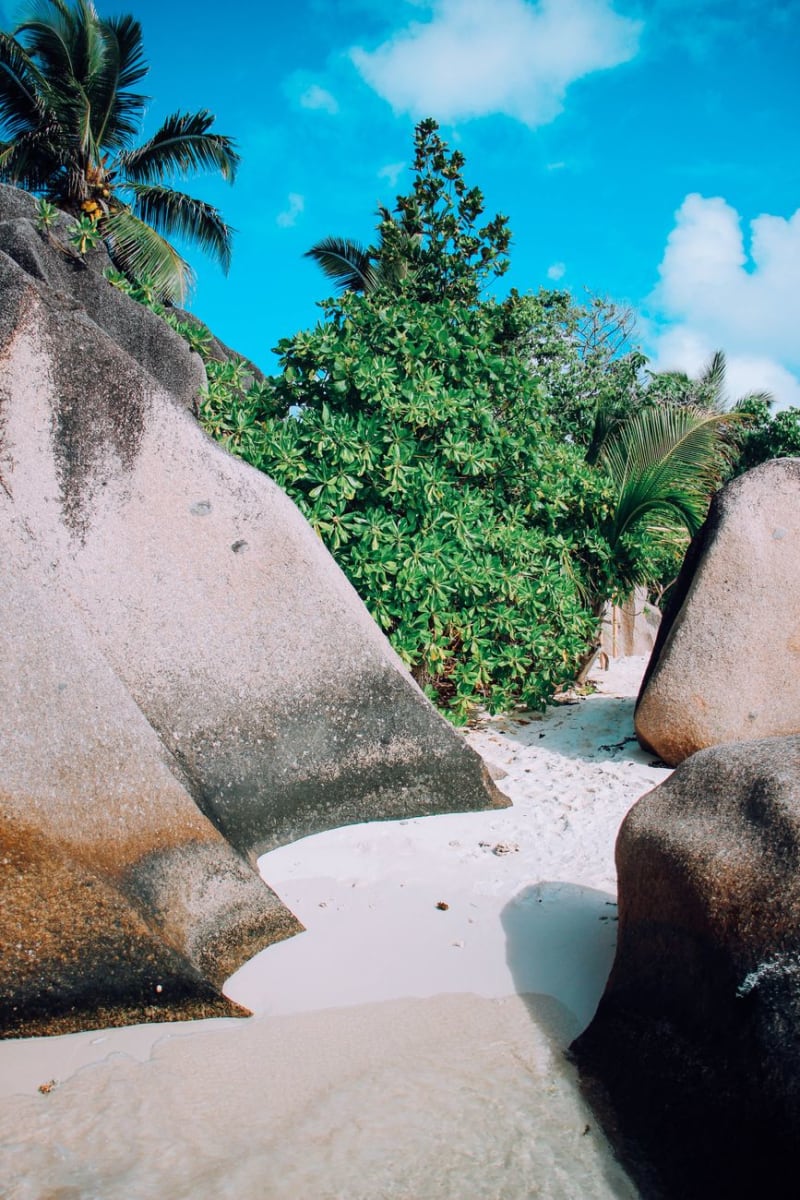 seychelles
 Curieuse Island
A red-earth island of free-roaming giant tortoises and ghostly mangroves, a short boat hop from Praslin and entirely unlike anywhere else in the Seychelles.
Explore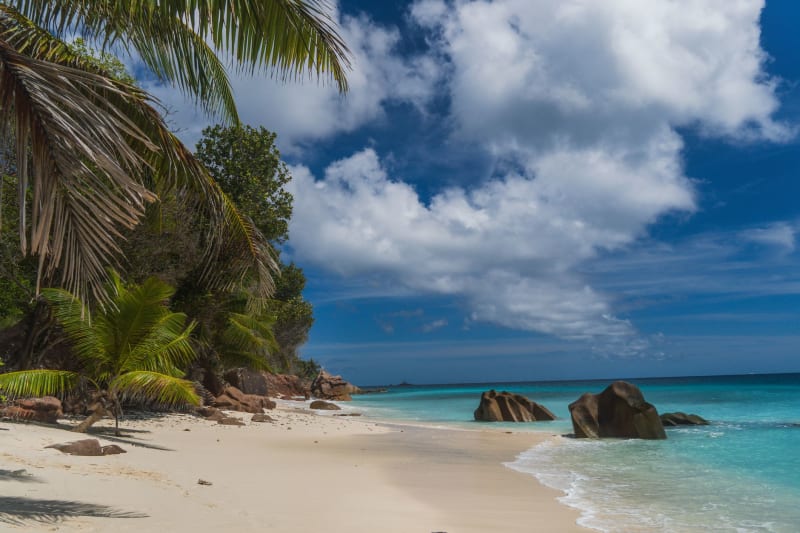 seychelles
 La Digue
A car-free granite island where ox-carts still outnumber motorbikes and the pace drops so fast you feel it in your chest.
Explore