Africa
Seychelles
"I thought I knew beaches. Then La Digue corrected me."
An archipelago of ancient granite rising from the Indian Ocean, where the concept of 'tropical beach' gets redefined and then immediately made obsolete.

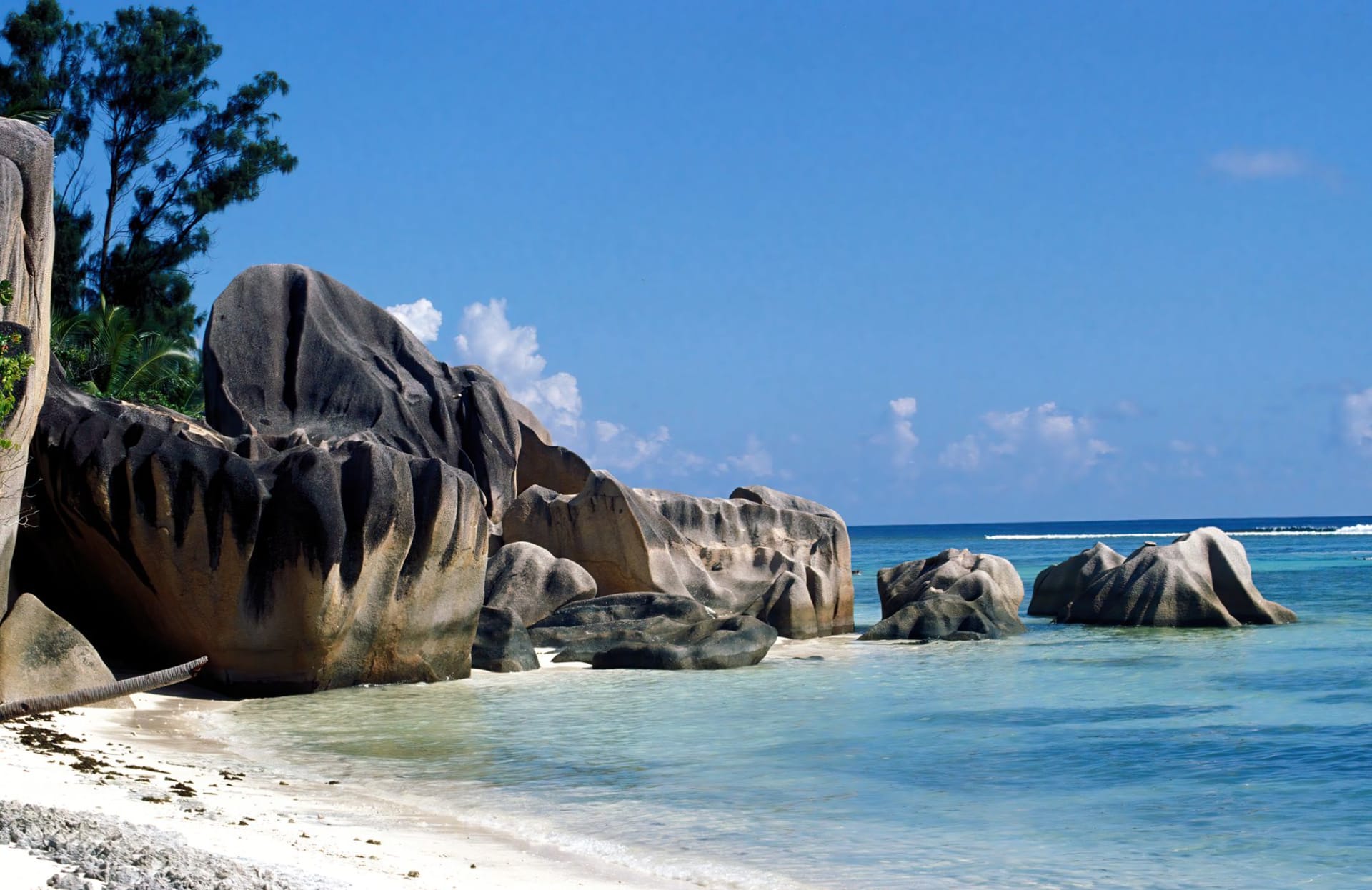
I arrived in the Seychelles convinced that I was too jaded for beach destinations. Four years of Mexico, Martinique, Indonesia — I had seen water of every shade of blue and white sand in every configuration. Then the plane descended into Mahé in the late afternoon, and through the window I caught my first glimpse of the granite. Not the sand. The granite. These rust-pink boulders the size of houses, smoothed by two hundred million years of ocean contact, emerging from the water as if the island simply couldn’t contain them. Nothing I had read prepared me for the feeling that these islands are genuinely old in a way that most places are not — the Seychelles are a fragment of Gondwana, a shelf of ancient continental rock that didn’t sink when the Atlantic opened, and you feel that geological singularity the moment you land.
La Digue is where the clichés of the Seychelles live, and it’s where I understood why those clichés exist. Anse Source d’Argent is legitimately the most photographed beach in the world, and it is also legitimately one of the most beautiful places I have ever stood. The granite formations there are prehistoric and intimate — you can lean against them, feel the heat they’ve absorbed from the sun, squeeze through gaps between boulders and find a new pocket of turquoise on the other side. On a Wednesday morning in October I had a section of it nearly to myself. The island has no cars worth mentioning; you rent a bicycle and pedal through vanilla plantations and patches of forest that smell of cinnamon and patchouli, which grow wild here. Dinner is grilled red snapper at a place with four tables and a generator that cuts out twice before the meal is done.
Praslin is different — lusher, quieter in a different register. The Vallée de Mai is a UNESCO site that contains the coco de mer, a palm that produces the largest seed of any plant on Earth, a seed so anatomically suggestive that the Seychellois have built an entire souvenir economy around it. Walking the forest trails there in the early morning, before the day-trippers arrive from Mahé, feels like entering a world that predates mammals. Black parrots — endemic, endangered, somehow still here — call from the canopy. The light is green and diffused. I stayed an extra day purely to do that walk again.
When to go: May to September is the southeast trade wind season — lower humidity, good visibility for diving, but some beaches on the exposed coasts get choppy. October and November are the calm transition months and genuinely ideal: warm water, manageable crowds, the light in late afternoon turns the granite gold. April is also excellent. December to March brings northwest winds and can mean rough seas on the west coasts of the islands — fine on Mahé, challenging for inter-island boats.
What most guides get wrong: They sell the Seychelles as a luxury honeymoon destination, which it is — but that framing scares off everyone who isn’t on a honeymoon. There are guesthouses and self-catering villas that cost a fraction of the resort prices, particularly on La Digue and Praslin. The flights from Europe are genuinely long and the cost of living on the islands is high, but you don’t need to stay at a $1,500-a-night hotel to experience what makes this place extraordinary. The rock formations and the water don’t charge an entry fee. The local Creole cooking — curry de requin, ladob banana, the fresh fish grilled at roadside stands — is the best food on the islands and the most affordable. Come for a week, spend most of it outside, and ignore the glossy brochures.
Explore
Places in Seychelles
 seychelles
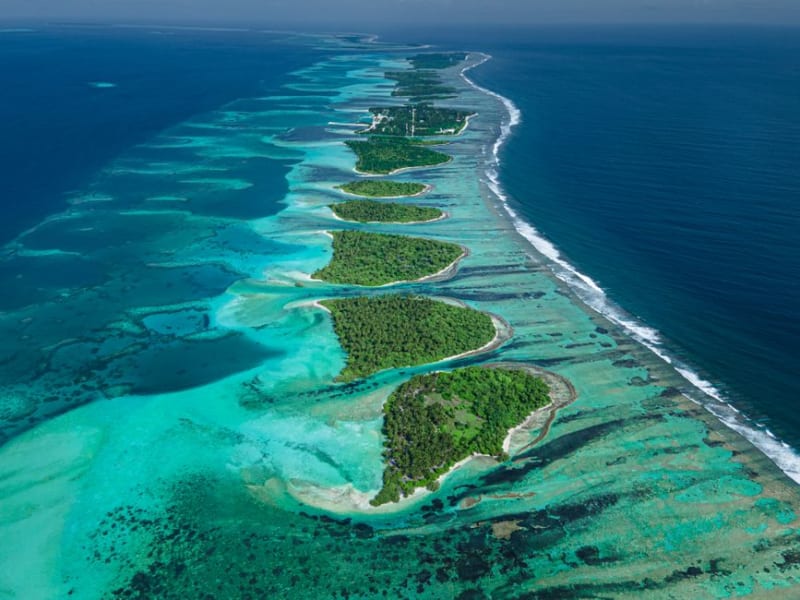
 Aldabra Atoll
A raised coral fortress ringed by turquoise lagoon, home to more giant tortoises than anywhere else on Earth.
Explore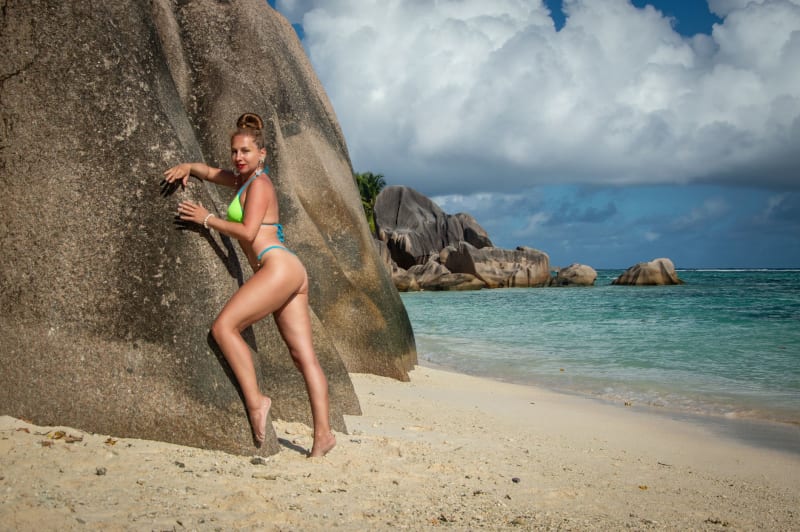 seychelles
 Anse Lazio
Praslin's northern headland beach where the water cycles through four distinct shades of blue before it reaches your ankles.
Explore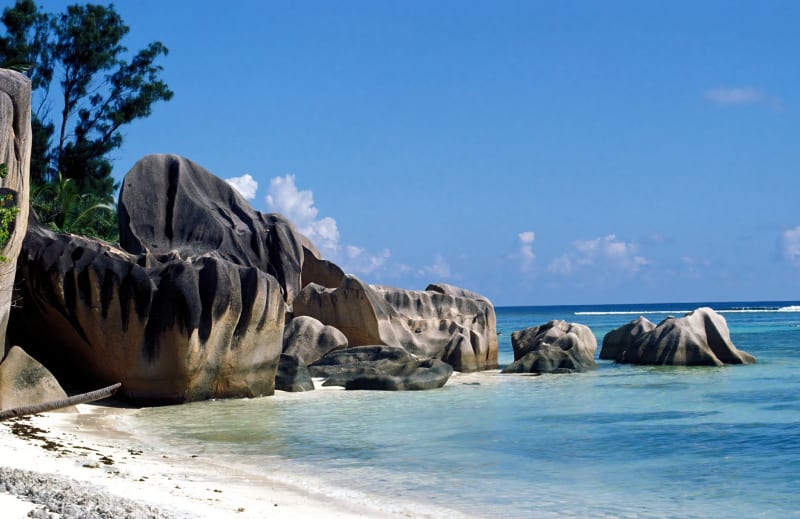 seychelles
 Anse Marron
La Digue's secret southern beach, reached only on foot through boulder fields and forest — the reward proportional to the effort of getting there.
Explore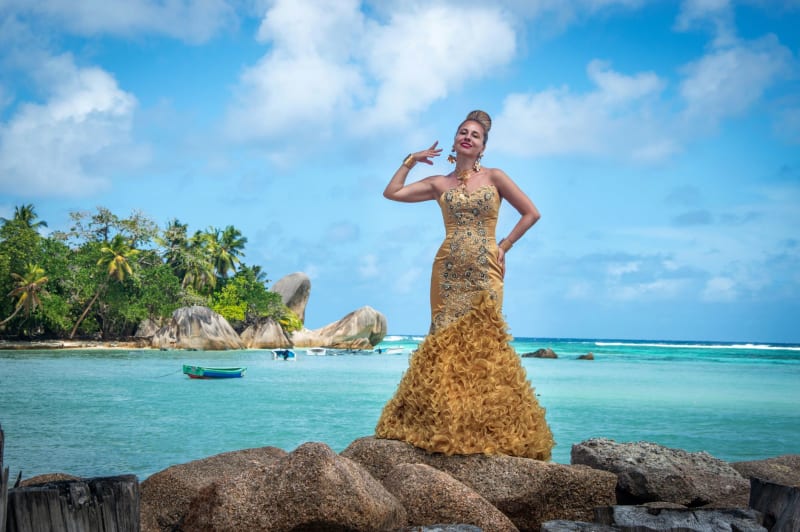 seychelles
 Anse Source d'Argent
The world's most photographed beach, where ancient pink granite turns every hour of light into something unrepeatable.
Explore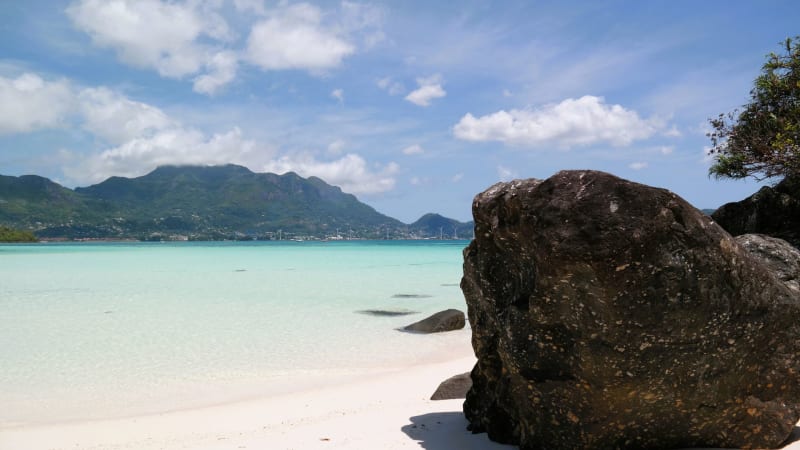 seychelles
 Beau Vallon
Mahé's long social beach where fishing boats and tourist kayaks share the same turquoise water and Saturday night smells of charcoal and fresh tuna.
Explore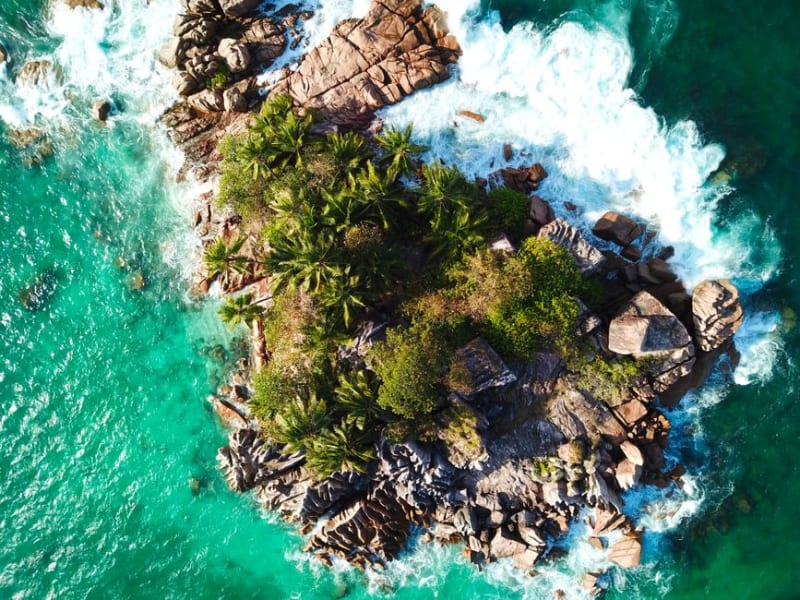 seychelles
 Bird Island
A sand cay at the northern edge of the Seychelles where sooty terns blacken the sky and Lia and I felt like we'd run out of world.
Explore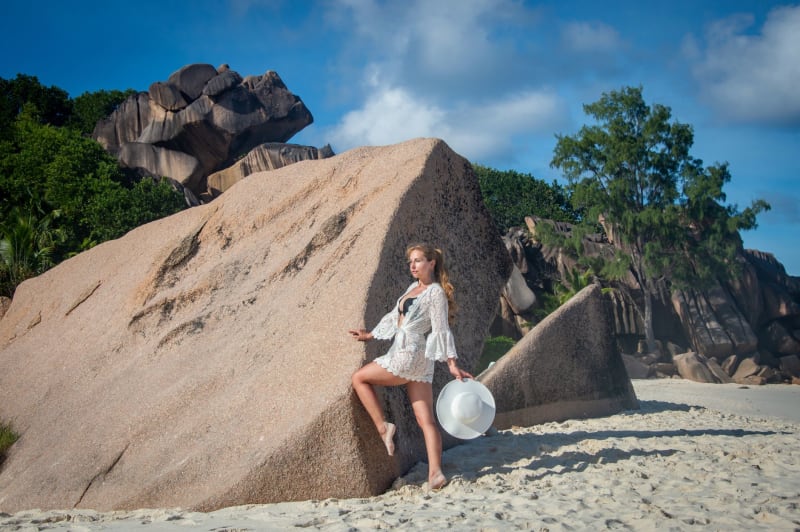 seychelles
 Cousin Island
A tiny rewilded bird sanctuary off Praslin where frigatebirds, fairy terns, and hawksbill turtles outnumber human visitors by a ratio that keeps you humble.
Explore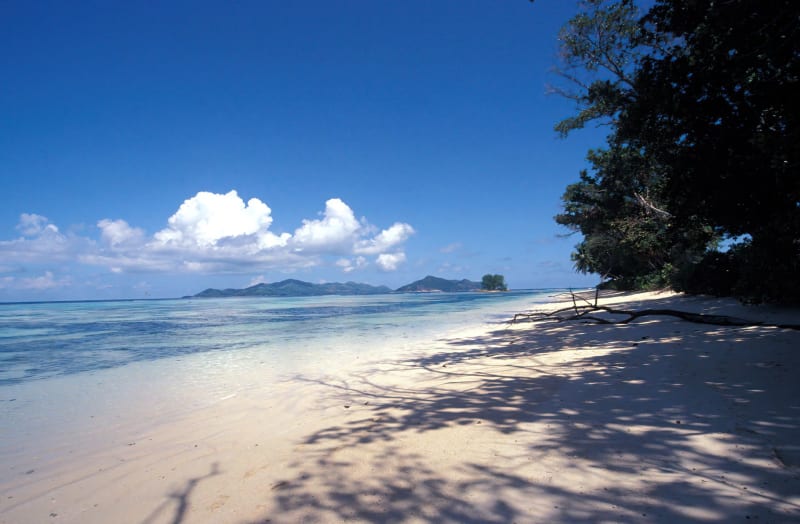 seychelles
 Curieuse Island
A red-earth island of free-roaming giant tortoises and ghostly mangroves, a short boat hop from Praslin and entirely unlike anywhere else in the Seychelles.
Explore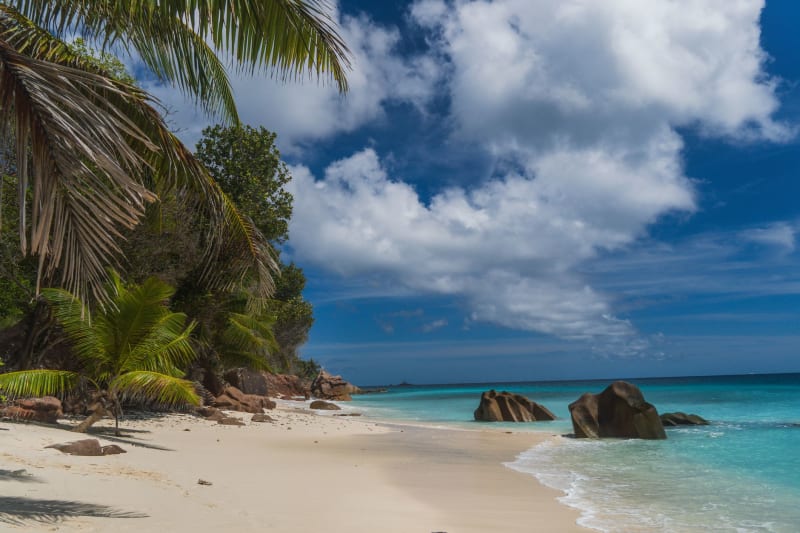 seychelles
 La Digue
A car-free granite island where ox-carts still outnumber motorbikes and the pace drops so fast you feel it in your chest.
Explore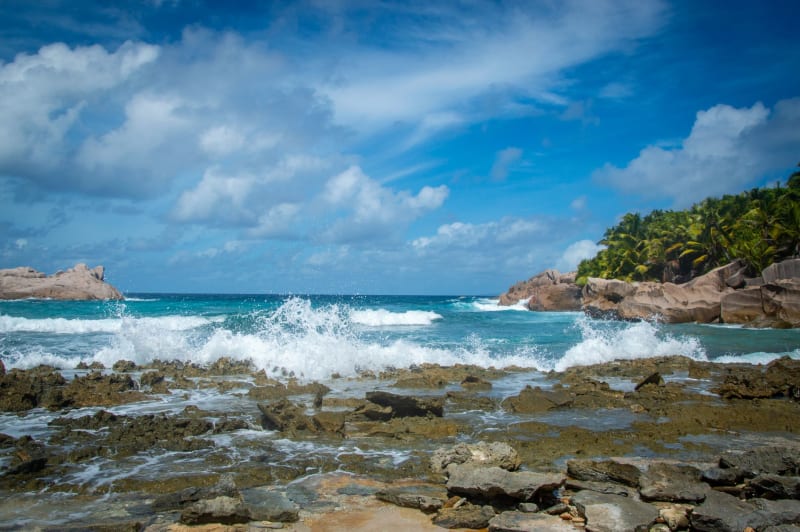 seychelles
 Morne Seychellois National Park
Mahé's cloud-forest spine, where pitcher plants and endemic orchids line trails that most visitors to this beach paradise never think to climb.
Explore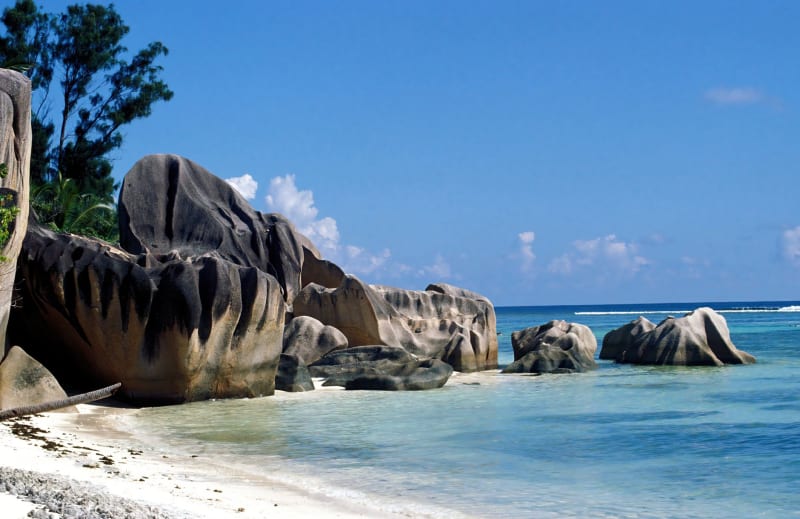 seychelles
 Silhouette Island
The Seychelles' wild third island, where a dormant volcanic peak and almost no roads force you back to the pace of a place that hasn't decided to be convenient.
Explore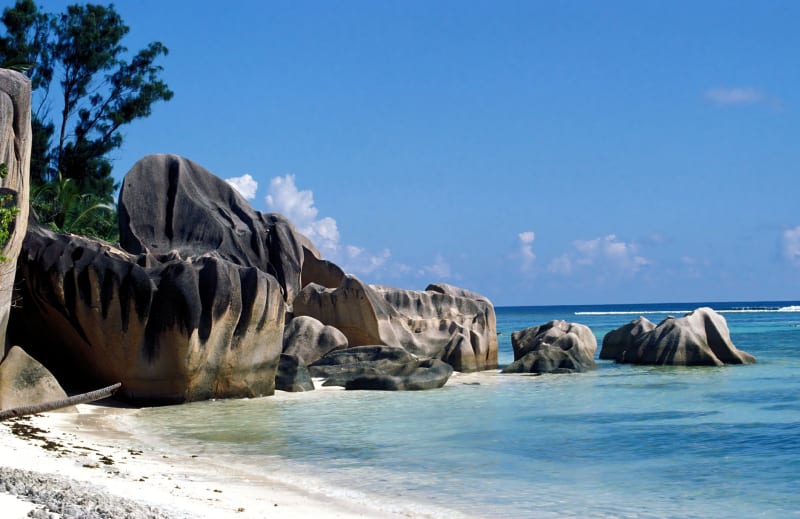 seychelles
 Vallée de Mai
A UNESCO palm forest on Praslin where ancient coco de mer trees filter green light and black parrots call from a canopy that feels older than memory.
Explore seychelles
 Victoria
The world's smallest capital, where a covered market, a miniature Big Ben, and the smell of turmeric and dried fish tell the whole story of an archipelago.
Explore