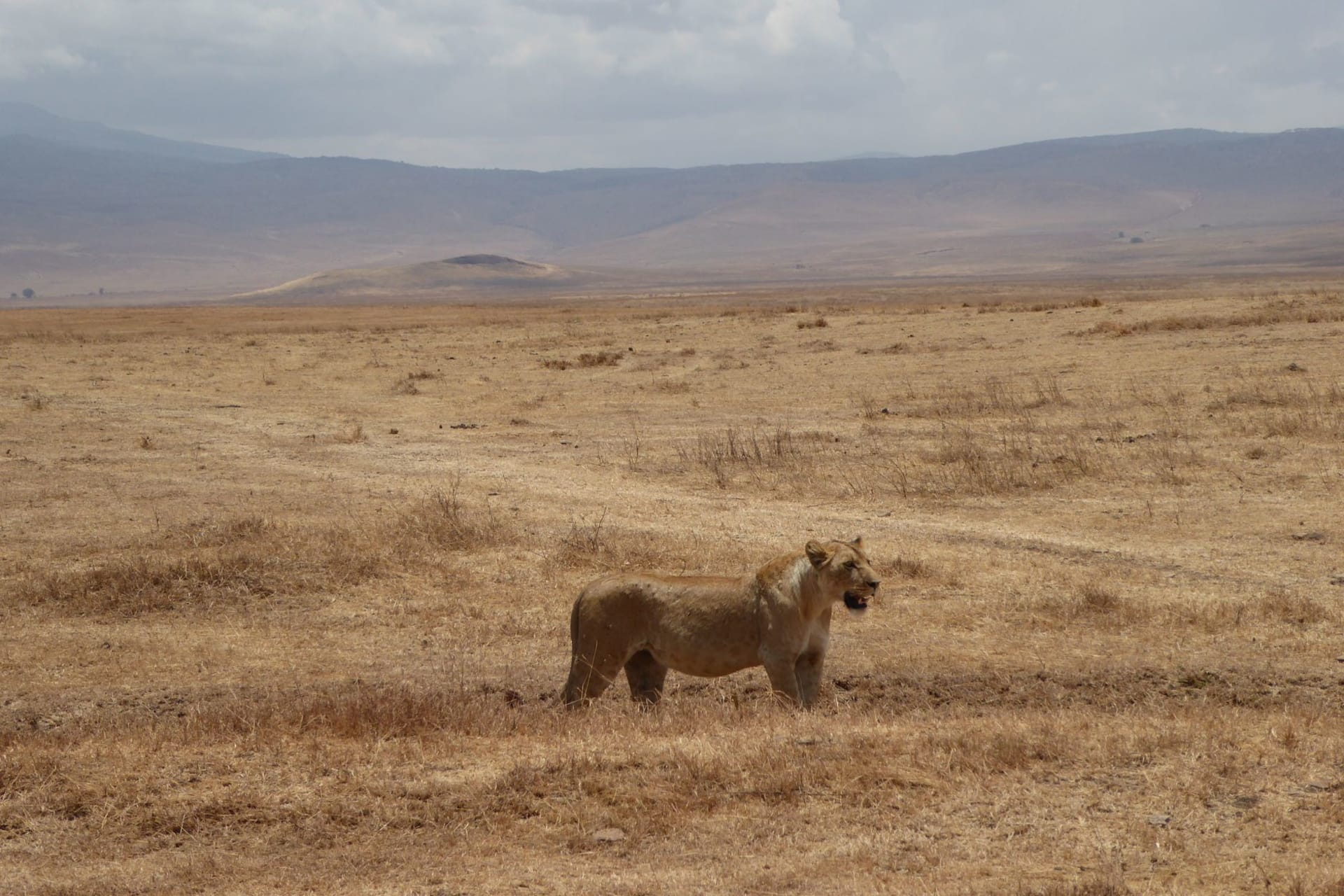
Olduvai Gorge
"The gorge is not deep, but it goes back further than anything else I have ever stood beside."
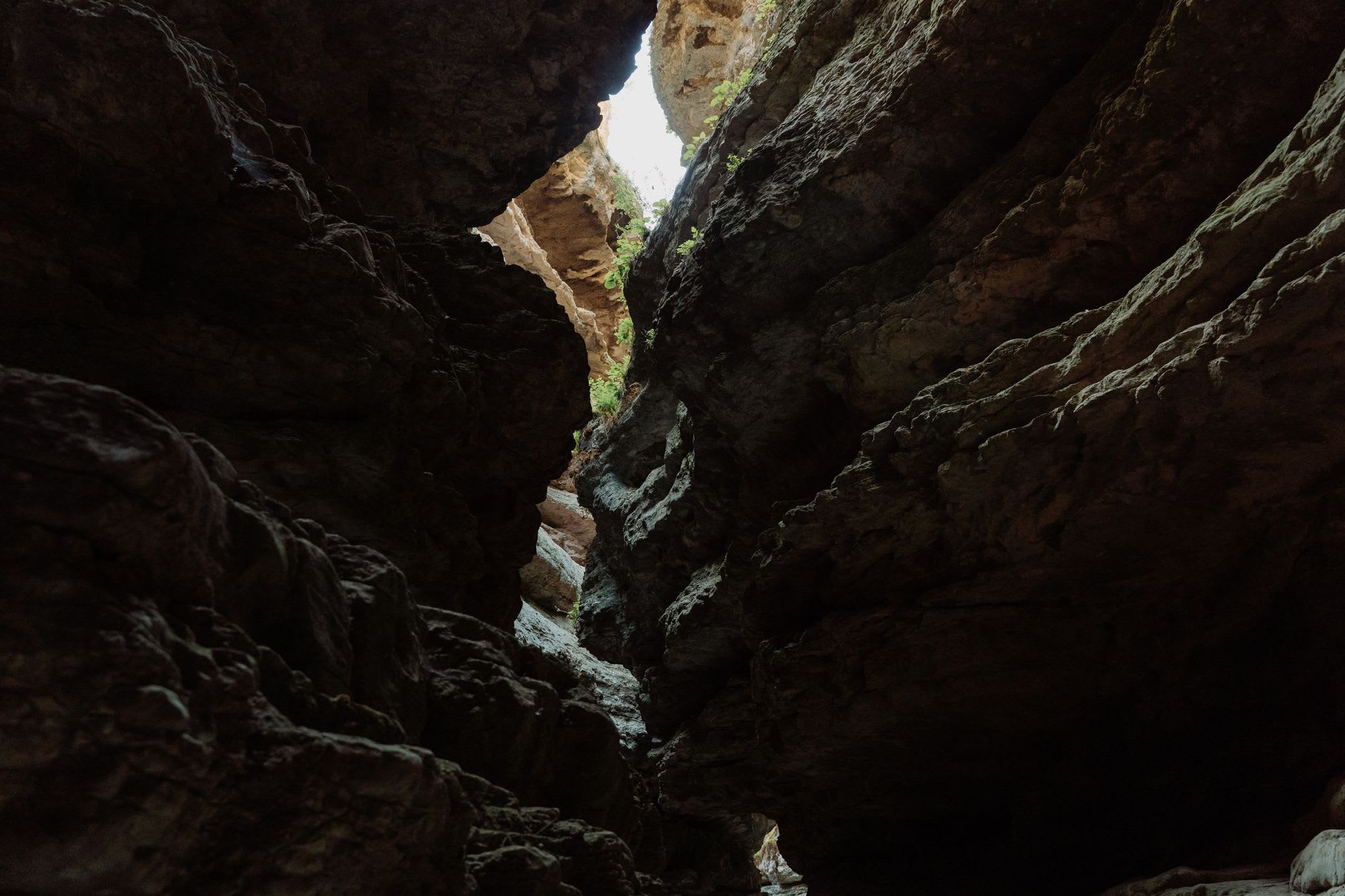
Olduvai Gorge is not dramatic in the way canyons usually are. It is roughly forty-eight kilometers long and thirty meters deep — a modest scar in the earth compared to anything in the American Southwest. But the sediment layers visible in its walls represent 1.9 million years of volcanic deposit, and embedded in those layers are the bones and tools of the earliest humans ever found: Homo habilis, who made the first crude stone choppers; Paranthropus boisei, who shared this landscape for hundreds of thousands of years before disappearing; Homo erectus, who came after. Louis and Mary Leakey worked these walls for forty years. Standing at the gorge’s edge, looking at the horizontal bands of ash and sediment — buff, rust, gray, chalk-white — is to look at a clock that runs in a direction we can barely comprehend.
I came to Olduvai on a morning when the eastern Serengeti was draped in low cloud and the temperature was cool enough that I needed a layer. The small museum at the gorge’s rim is staffed by guides who are genuinely passionate — not rote-passionate, the kind you get at sites that have been explained ten thousand times, but actually invested in what the stratigraphy means, what the tools tell us, where the gaps in the record still are. My guide was a young man named Elia who had studied archaeology at the University of Dar es Salaam and could hold an Oldowan chopper — a replica, the originals are in the museum — in one hand and explain what the flaking pattern revealed about the hand that made it. He spent ten minutes on a single flake-scar and I could have listened for another ten.
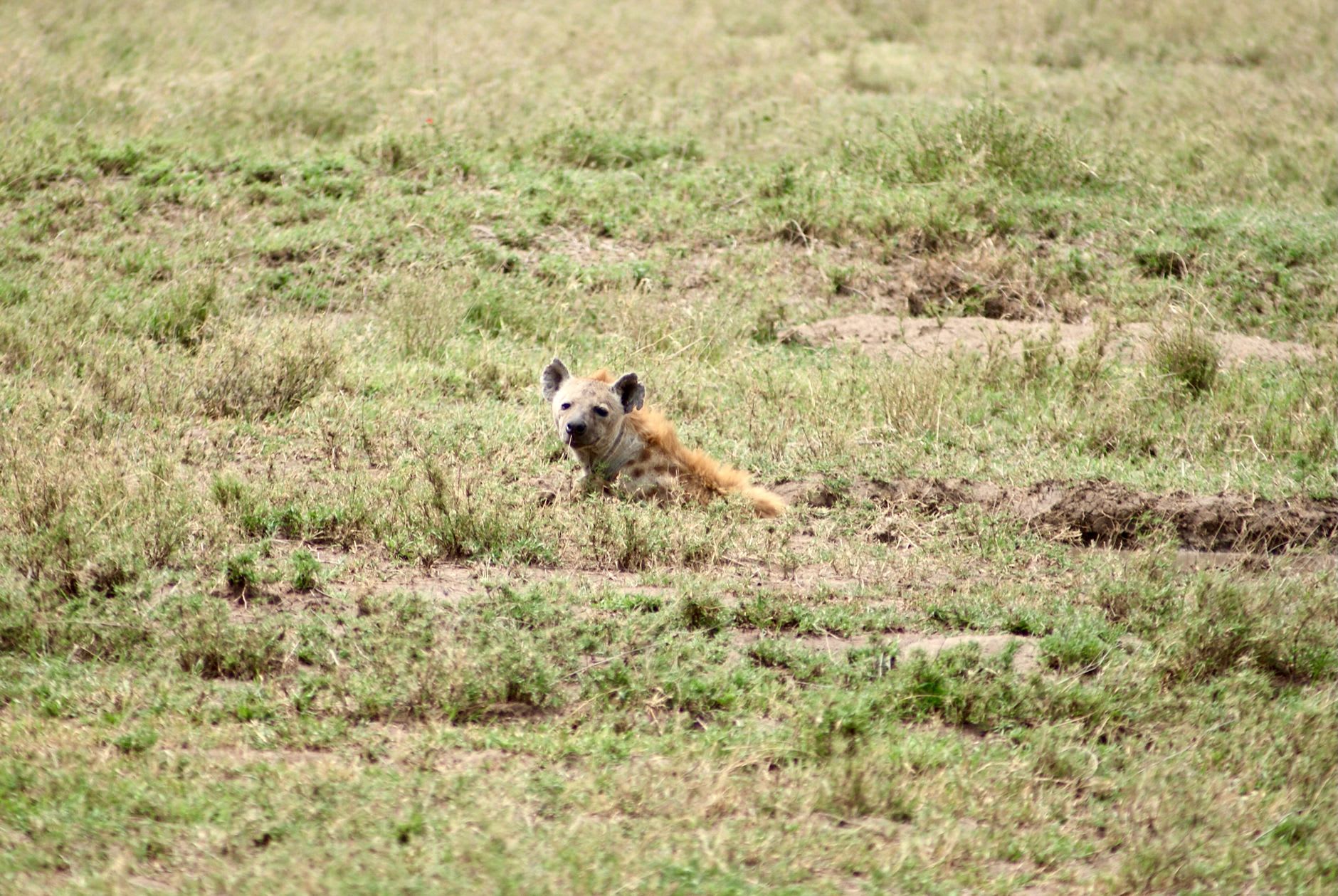
The gorge was formed by water cutting through the sediment — the same geological processes that shaped the Rift Valley — and in the process it exposed what had been buried. This is the lucky accident at the center of everything: without the erosion, we would not have found the fossils. The landscape around it is dry, scrubby, acacia-punctuated Serengeti edge country, and the transition from the gorge’s small museum into that vast surrounding space is a kind of temporal vertigo. You step out of 1.9 million years and back into now, and now feels briefly thin.
What moved me most, and this is harder to explain, was the monument to Mary Leakey at the site. She is the one who actually found the skull of Paranthropus boisei — “Zinj” she called it, July 17, 1959 — and the account of that morning, which Elia described in detail, has a quality I associate with certain kinds of scientific breakthrough: not a flash but a stumble, something unexpected and ancient looking up from the dirt. She had worked this site for years. The skull was in an eroded section she had passed many times. The light that morning was different, or her eye was different, or the wind had shifted and moved some surface soil. Or luck. Or all of these things. The gorge keeps that story in its walls.
I ate lunch in the shade of the museum’s small café — a simple rice and beans, very good — while a group of Maasai women sold beadwork on the terrace nearby. The contrast seemed right somehow: deep time, daily commerce, the ongoing present layered over all those buried pasts.
When to go: Olduvai Gorge is accessible year-round and most visits are made as a stop en route between Arusha and the Serengeti. The short dry season (January–February) and main dry season (June–October) make the gorge’s rough access road most manageable. Allow at least two hours — rushing the site shortchanges what Elia or the other guides can show you in the actual sediment walls.