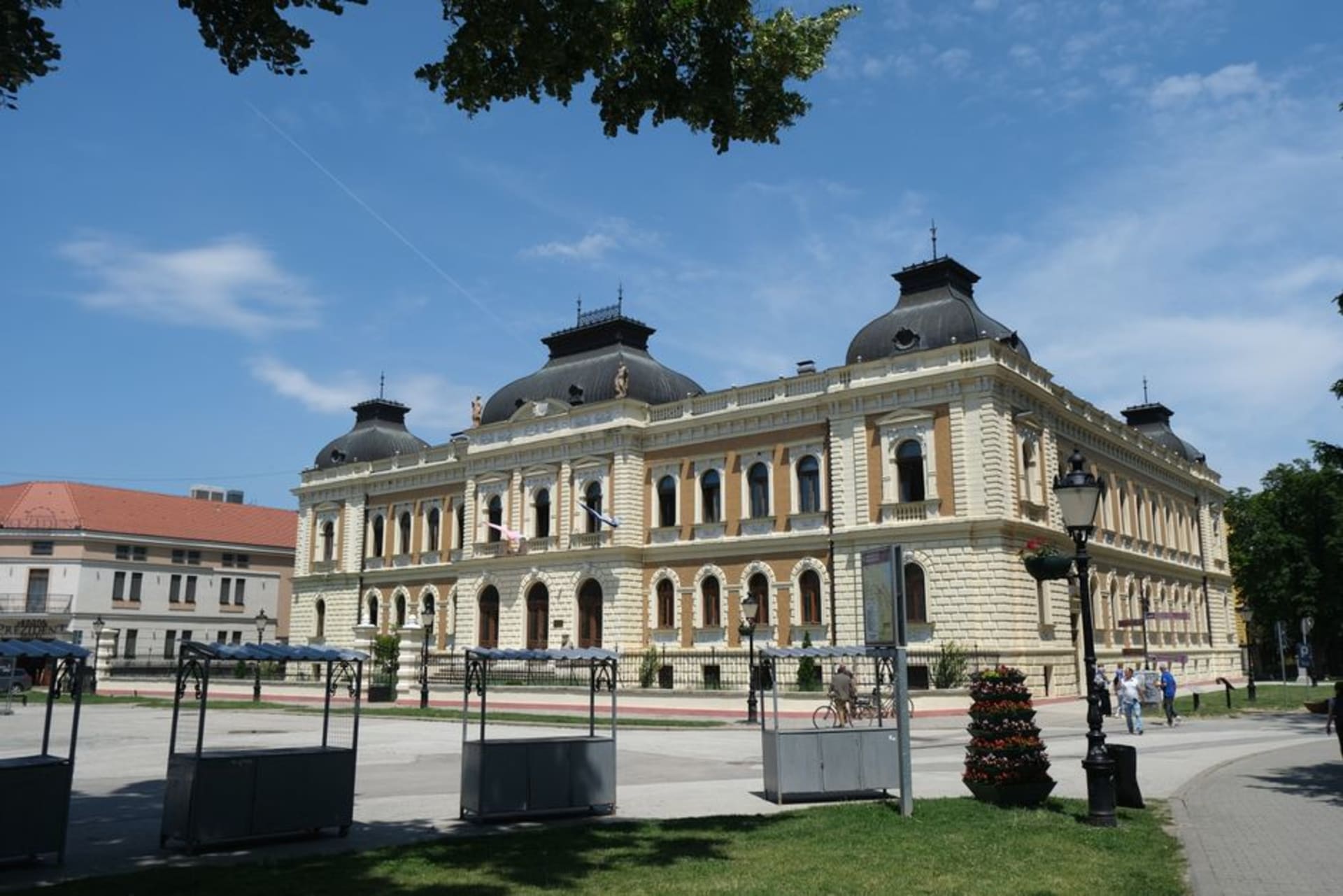
Sremski Karlovci
"We came for one glass of Bermet and stayed for three, listening to a town that used to run half a continent's diplomacy."
A baroque wine town on the Danube where treaties were signed, patriarchs once ruled, and dessert wine still flows from cool stone cellars.
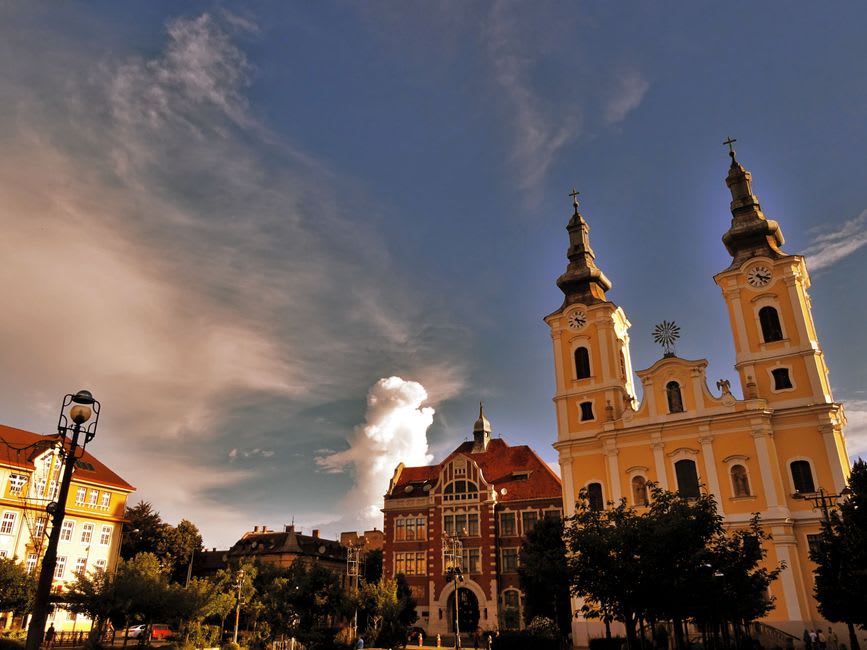
We took the bus from Novi Sad almost as an afterthought — eight kilometers, twenty minutes, no real plan beyond “let’s see the wine town.” I remember stepping off into a square so disproportionately grand for its size that Lia actually stopped walking and just looked up. The twin towers of the Orthodox Cathedral of St. Nicholas were catching the last light, and in front of us the Four Lions Fountain was doing its quiet ceremonial thing, water trickling out of stone mouths that have watched this square since the 18th century. It didn’t feel like a village. It felt like a capital that had shrunk.
Because it basically was one. This tiny place was the seat of the Serbian Orthodox Church’s Patriarchate for two centuries, from 1713 to 1918, and I kept trying to square that fact with the size of the town while we walked past the old grammar school — founded in 1791, one of the oldest in Serbia — students still filing out of it like nothing historic was happening around them. We ducked into the Chapel of Peace on a whim, this small round building from 1817 marking the exact spot where the Treaty of Karlowitz was negotiated in 1699, the one that ended the Great Turkish War. I’m not usually the guy who gets chills over a plaque, but standing in that quiet rotunda, knowing borders of empires had been redrawn a few meters from where we stood, got me a little.
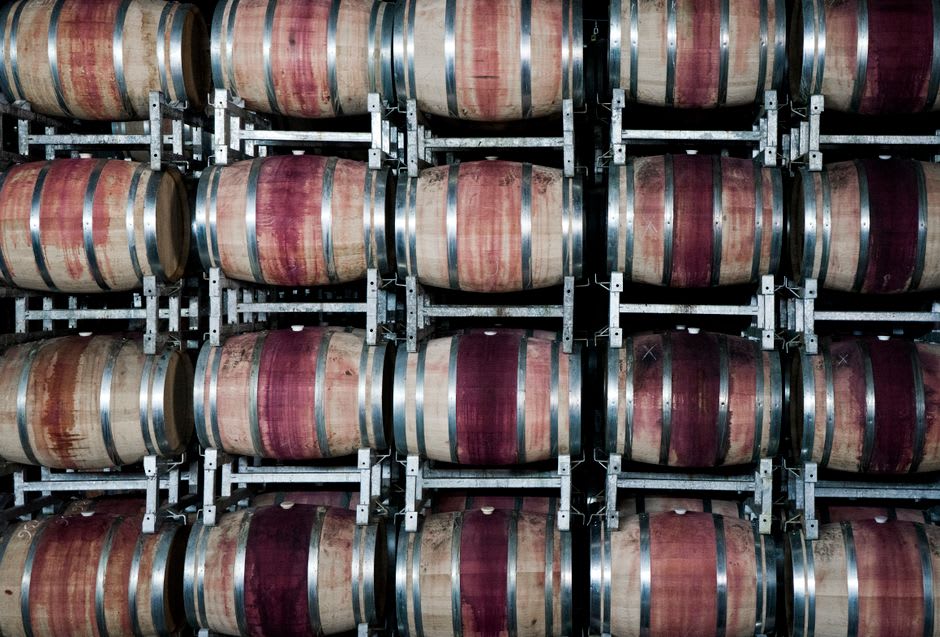
What I didn’t expect was how much of the day would end up being about wine. Sremski Karlovci has been a serious wine town for centuries, and its signature is Bermet — a sweet, spiced dessert wine that apparently used to be poured at the Habsburg court and even the Vatican, which is a wild resume for a bottle. We found a small family cellar just off the square, all cool stone and dim light, run by a guy who talked us through three vintages like he was introducing us to relatives. Lia bought two bottles we then had to nurse carefully in a backpack for the rest of the trip. I still think about that cellar more than most restaurants we’ve eaten at.
We ended the afternoon on a bench by the fountain, sharing a bag of walnuts from the little Saturday market, watching the cathedral bells do their thing while the light went orange over the rooftops. It’s a strange, small, outsized place — a town that hosted patriarchs and peace treaties and somehow still feels like a quiet Danube afternoon. I’d go back just for another glass of Bermet in that cellar.
When to go: September and October are ideal, when the grape harvest brings the town’s wine culture fully alive; if you’d rather have the square mostly to yourself, spring offers gentler weather for wandering.