Thiès
"Nobody comes to Senegal for Thiès, which is exactly why the tapestry workshop caught me off guard."
Senegal's second city and its old railway heart, where colonial-era workshops now house tapestry weavers producing some of West Africa's finest woven art, and the trains that built the town still occasionally rattle past.
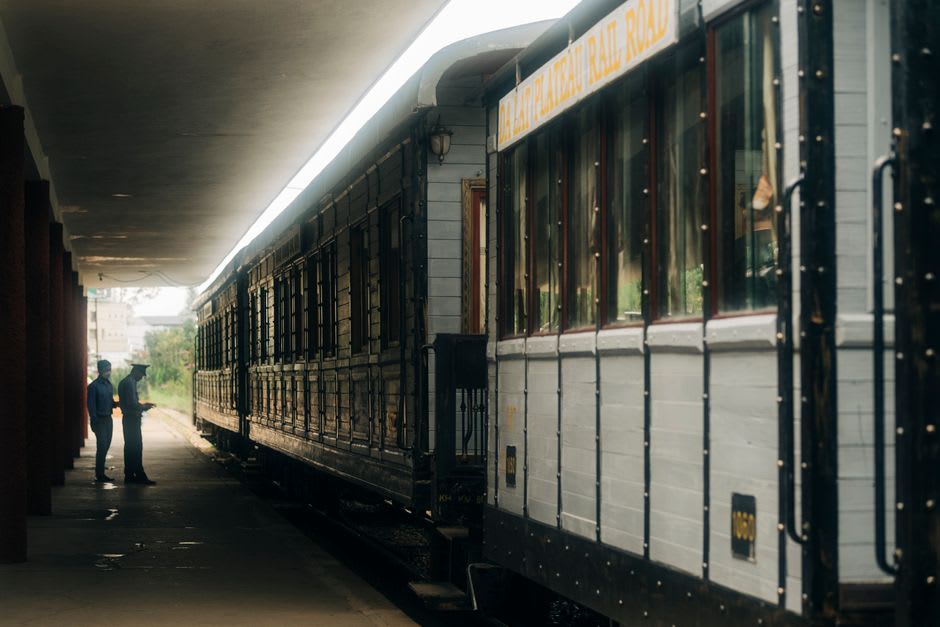
Thiès doesn’t try to sell itself to travelers the way Saint-Louis or Dakar do, and after a week of tourist-facing towns I found that genuinely restful. It grew up around the railway the French built to move peanuts to the coast, and that history is still legible everywhere — a locomotive parked as a monument near the center, workshop buildings with the particular heavy-set colonial brick that shows up wherever the rail lines went, streets laid out with an engineer’s logic rather than an organic one.
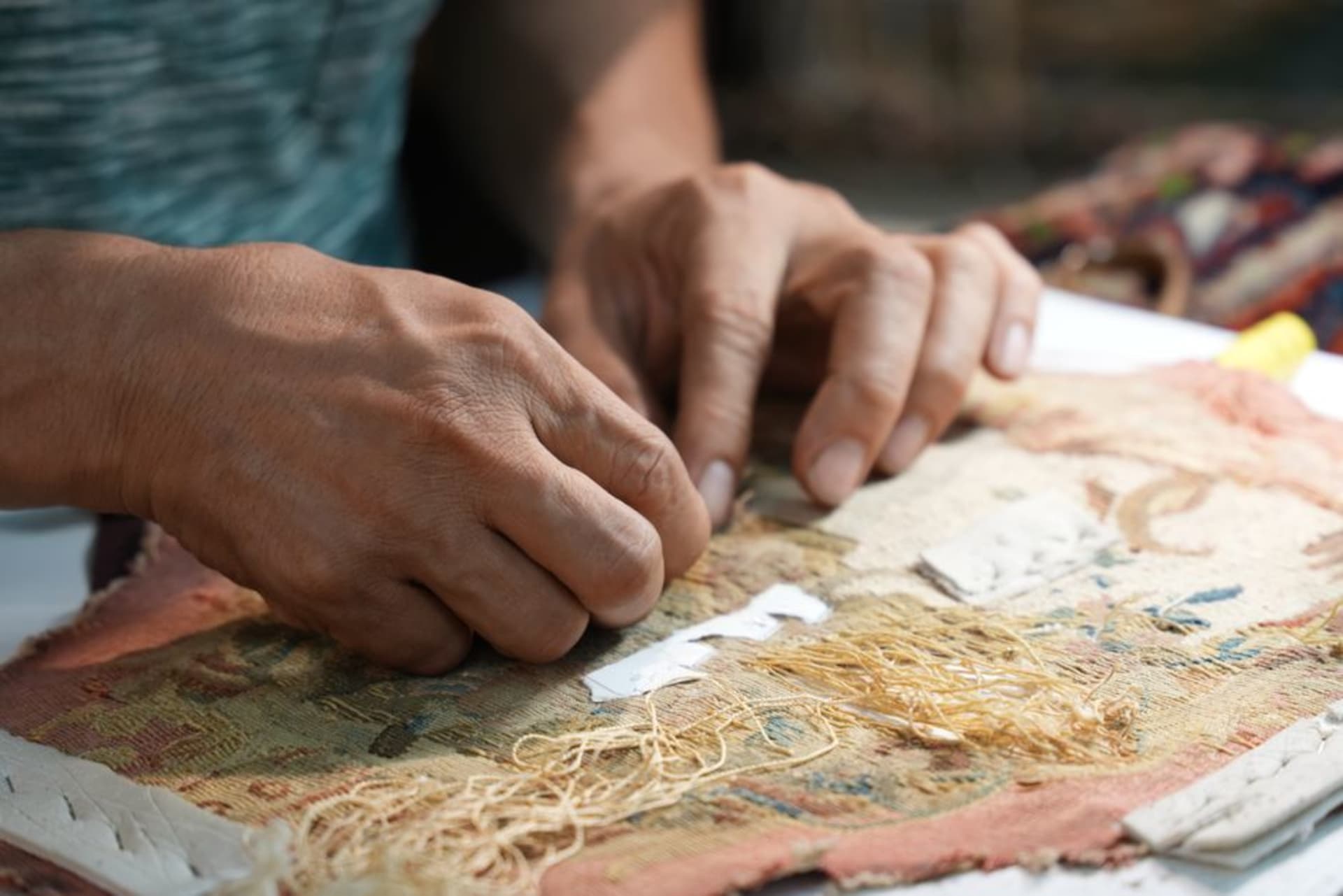
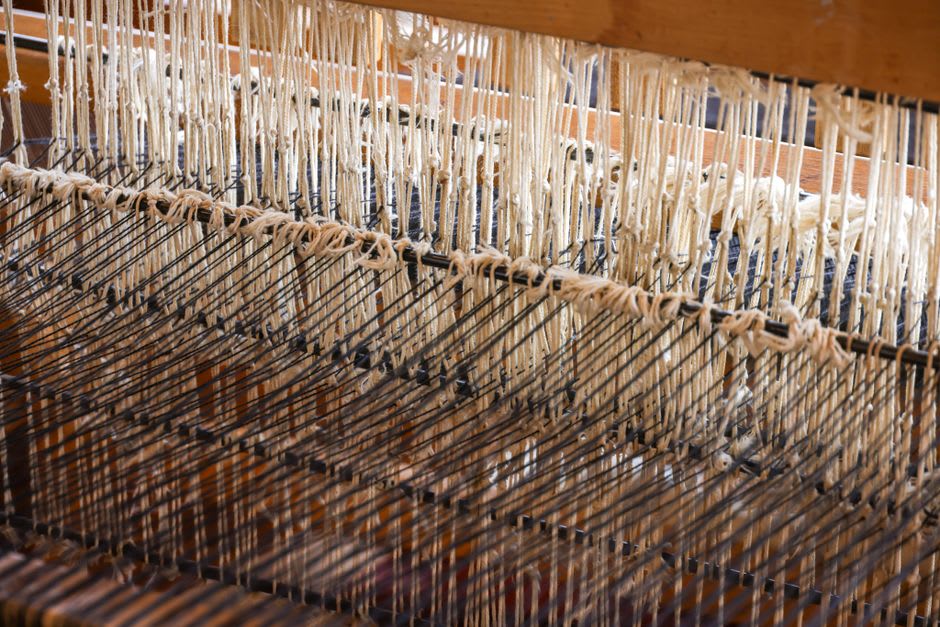
What actually brought me here was the Manufacture Sénégalaise des Arts Décoratifs, a tapestry workshop founded in the 1960s that has quietly become one of the most respected weaving ateliers on the continent. I’d expected a small craft shop. Instead I found a working atelier the size of a small factory floor, dozens of weavers seated at vertical looms taller than I am, translating paintings by Senegalese artists into wool tapestries thread by thread, a single large piece taking months of full-time work to complete. Nobody rushed through an explanation for my benefit — the head weaver walked me along the looms at the pace the work itself moves, which is to say slowly, and let the scale of it speak for itself.
Outside, the town center has a market as loud and functional as any in Senegal, minus the performance for tourists you get in parts of Dakar. I ate lunch at a stall near the old station — a simple plate of yassa poulet, the onions cooked down soft and sharp with lemon and mustard — while a group of moto-taxi drivers argued cheerfully about football two tables over.
Thiès also makes a sensible base if you’re aiming for Lompoul or the Keur Moussa monastery, both under an hour’s drive away, and it’s a far calmer place to sleep than Dakar if you’re passing through the region without needing the capital’s noise.
When to go: Any time — this is an inland working city rather than a coastal or seasonal destination, and the tapestry workshop operates on weekdays year-round.