Richard Toll
"A miniature French château surrounded by sugar cane, on the edge of the Sahel — Richard Toll doesn't explain itself easily."
A sugar town on the Senegal River built around a nineteenth-century French agronomist's failed garden, where a fairy-tale château sits oddly among cane fields and the river runs wide and slow toward Mauritania.
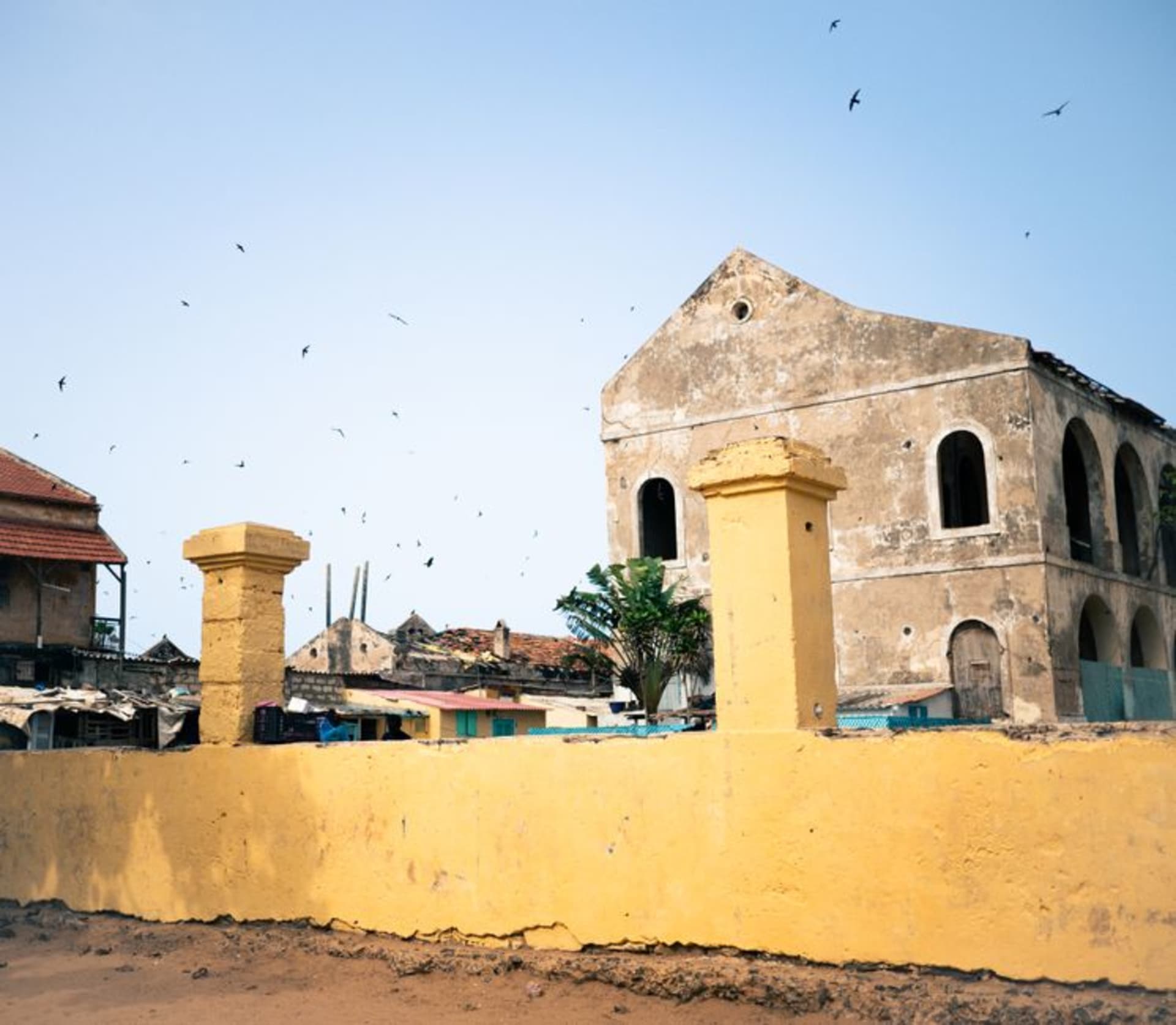
Richard Toll takes its name from a French botanist, Richard, and the Wolof word “toll,” meaning garden — a nod to a nineteenth-century attempt to grow European produce on the banks of the Senegal River that mostly failed but left the name stuck for good. What actually dominates the town now is sugar: the Compagnie Sucrière Sénégalaise runs vast cane fields around the perimeter, and the sweetish, slightly burnt smell of the processing plant reaches you before the town itself properly does.
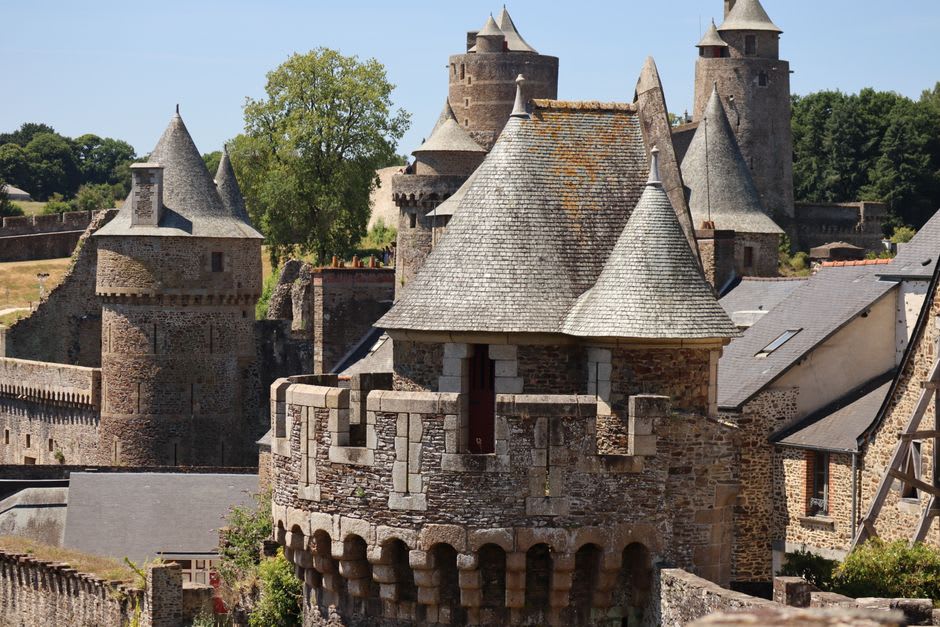
The real surprise sits at the town’s edge — the Château de Baron Roger, a turreted, genuinely castle-shaped building constructed for a French colonial administrator, its stone facade and pointed roofs looking wildly out of place against flat cane fields and Sahelian scrub. I stood outside it for a while just recalibrating, the way you do when a piece of architecture refuses to match its surroundings. It’s not palatial up close, and parts of it show its age plainly, but the sheer incongruity of the thing — a Loire Valley silhouette dropped onto the Senegal River floodplain — made it worth the detour on its own.
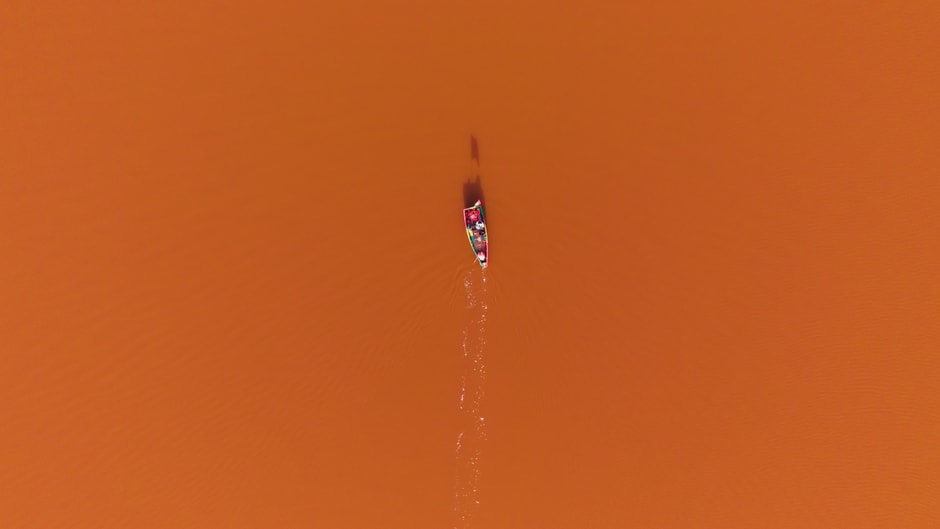
Down by the river, the mood shifts entirely. The Senegal River runs wide and unhurried here, close to the Mauritanian border, and fishermen work it from narrow pirogues in the early morning and late afternoon when the heat breaks. I sat on the bank for the better part of an hour watching a man cast and recast a net with a motion so practiced it looked closer to dance than labor, herons picking through the shallows a few meters off, unbothered.
The town itself is workaday and doesn’t pretend otherwise — dusty main street, sugar-company housing blocks, a market smelling faintly of molasses — but as a stop between Saint-Louis and the deeper Fouta region upriver, it earns a couple of hours more than most itineraries give it.
When to go: November through February, when the river-valley heat is at its most manageable and the light along the water in early morning is at its best.