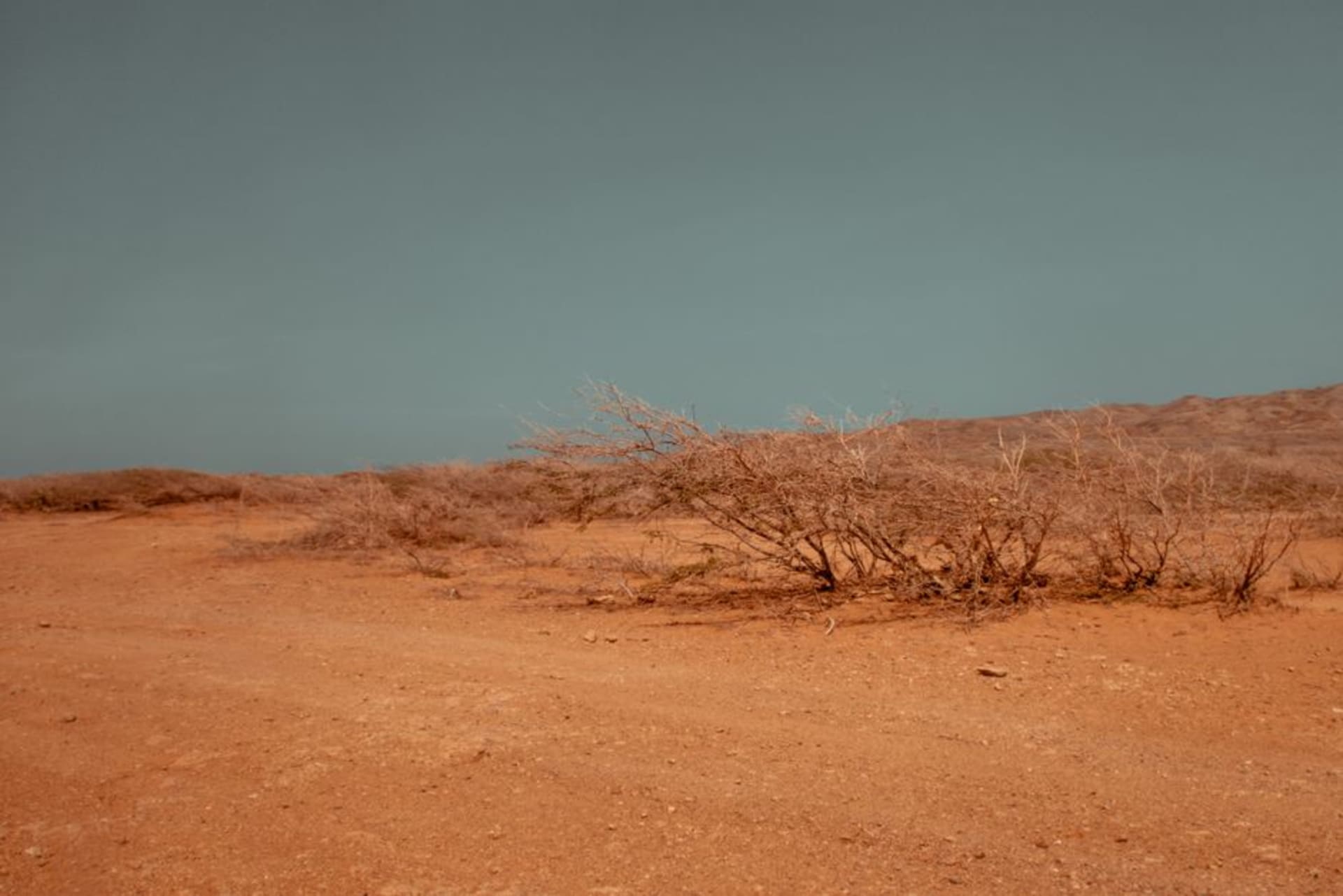
Désert de Lompoul
"I'd driven three hours to find the Sahara hiding in a fold of the coast."
A pocket of orange Saharan dunes stranded improbably in the middle of Senegal's Grande Côte, small enough to walk across in an afternoon and silent enough at night to hear your own blood moving.
Nobody warns you properly about Lompoul. You spend two weeks in Senegal getting used to baobabs, rice paddies, the wet green of the south, and then somewhere north of Kébémer the landscape just gives up and turns into dunes — a few square kilometers of genuine orange desert, dropped into scrubland like someone forgot to finish the job. I arrived by 4x4 off the main road, the last kilometer soft sand that had the driver muttering and downshifting, and then the vegetation stopped and the color changed entirely.
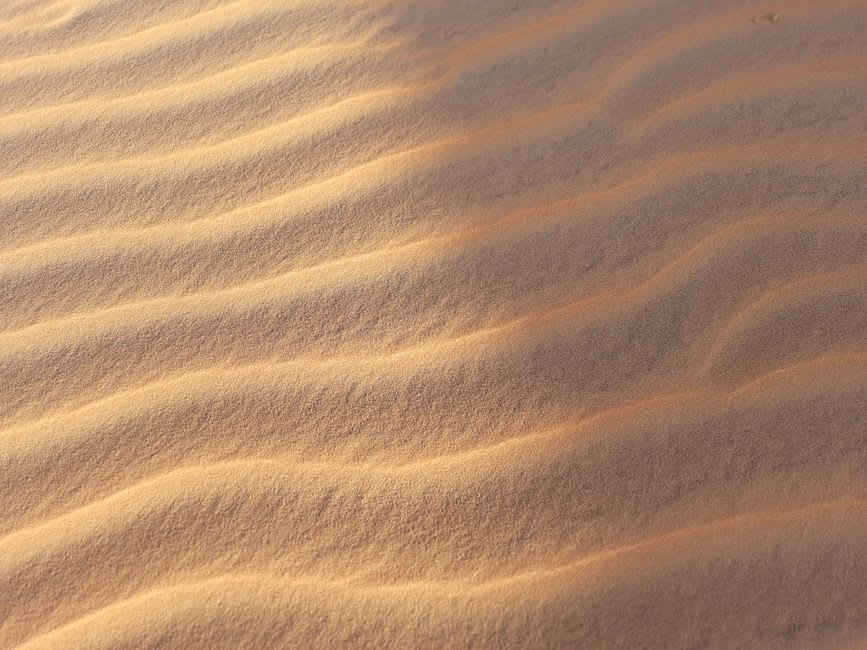
I climbed the highest dune I could find before sunset, sand pouring into my sandals with every step, calves burning in a way hiking never manages. From the top the whole thing revealed its scale — modest, genuinely walkable, ringed by acacia scrub in every direction — but standing inside it the illusion held completely. The light went copper, then rust, then a blue that made the sand look almost lunar. A Peul herder crossed the ridge below with a handful of goats, unbothered by the tourists, and for a second the whole scene looked exactly like the postcard version of the Sahara that doesn’t actually exist most places in the Sahara anymore.
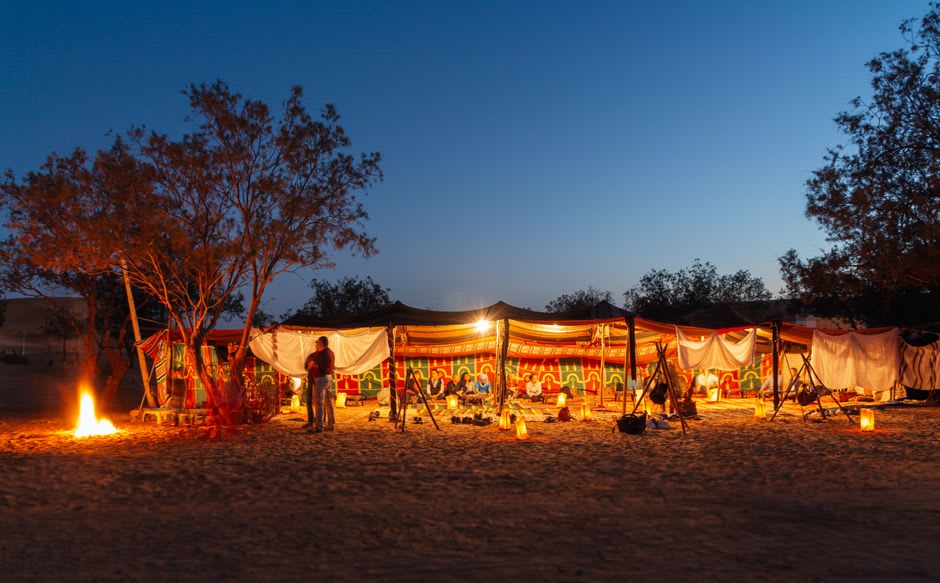
I stayed the night in one of the tented camps set up among the dunes — a proper canvas tent, a rug, a lantern, dinner served low to the ground under a sky that had gone completely uncontaminated by light pollution. Someone produced a drum after the meal. The temperature dropped hard once the sun was gone, cold enough that I was glad of the blanket I’d been handed without asking. I woke before dawn out of habit and climbed back up alone to watch the sand go from grey to pink to that same copper, the whole desert lit for nobody but me and a flock of birds I couldn’t identify moving low over the ridge.
A camel walk around the perimeter the next morning felt almost unnecessary after the night before, but I did it anyway, swaying along at a pace slow enough to notice how quickly the dunes give way back to baobab and thorn scrub at their edges — proof, if you needed it, of how contained and strange this whole place really is.
When to go: November through February, when the coastal nights are cool enough to actually enjoy the campfire and the daytime dune-climbing doesn’t leave you wrung out. Avoid the peak of the dry hot season in April and May if you can.