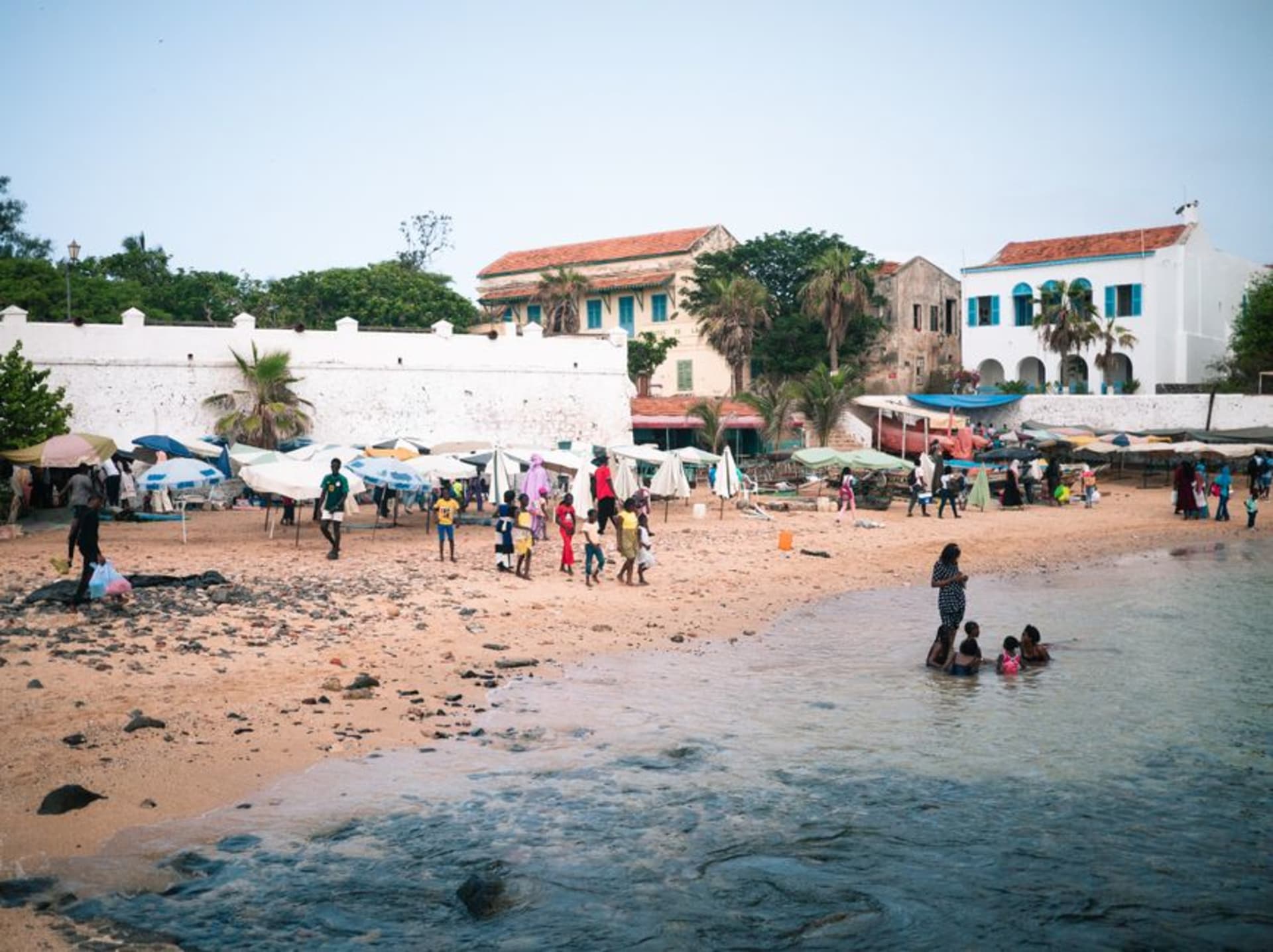
The hot, loud capital of Senegal's peanut basin, where mountains of groundnuts pile up beside the railway, salt is harvested from the surrounding flats, and the Medina Baye quarter draws Islamic pilgrims from across West Africa.
Kaolack has a reputation among Senegalese for being brutally hot, and I can confirm the reputation is earned — I arrived at midday in April and the air felt thick enough to lean on. The town sits at the heart of the groundnut basin, the region that made peanuts Senegal’s colonial-era cash crop, and even now the evidence is everywhere: trucks queued at the old depot, sacks stacked in pyramids taller than the men loading them, the smell of roasting groundnuts drifting from stalls along nearly every street I walked down.
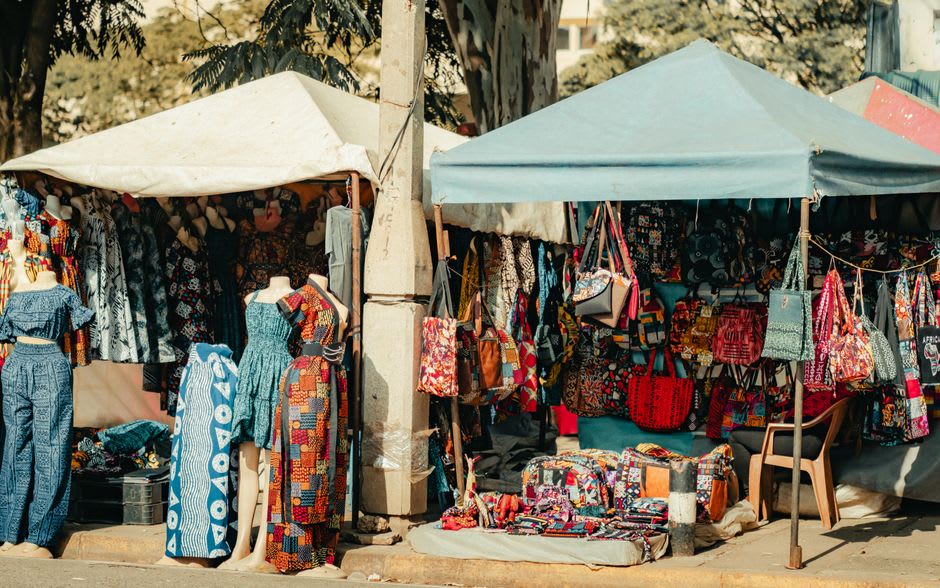
The market itself, Marché Bou Guèye, is one of the largest in the country and genuinely overwhelming in the best sense — fabric vendors stacked three deep, dried fish piled beside plastic buckets and phone chargers and enormous sacks of millet, motorbikes threading through gaps that shouldn’t exist. I got hopelessly turned around within ten minutes and didn’t especially mind. A boy selling roasted peanuts by the twist of paper walked with me for a stretch, more curious about the toubab wandering his market than interested in a sale, and ended up pointing me toward the salt flats on the edge of town almost as an afterthought.
Kaolack is also home to Medina Baye, a district built around the tomb and teachings of Baye Niasse, a major twentieth-century Islamic scholar whose Tijaniyya order draws pilgrims from Senegal, Nigeria, and well beyond every year for the Mawlid celebrations. I wasn’t there for the pilgrimage crowds, but the quarter’s calm even outside of festival season — men in white boubous moving unhurried between the mosque and the surrounding streets — felt distinct from the commercial chaos a few blocks away near the market.
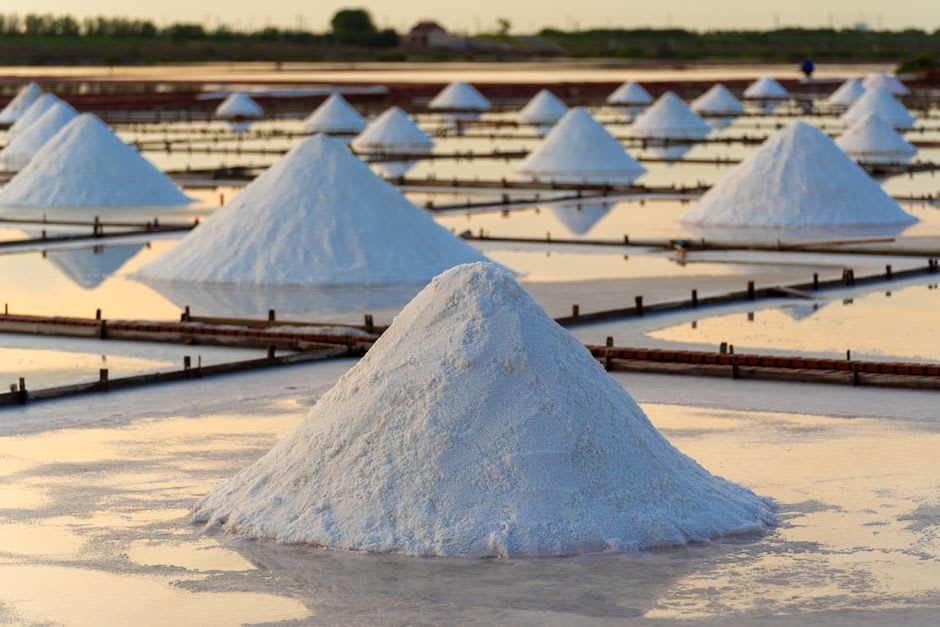
I watched the sun go down over the salt pans on the Saloum’s edge, the flats catching pink and orange the same way the pink lake does further north, before heading back into town for a bowl of soupou kandia that a roadside cook ladled out generously enough to embarrass me for finishing it.
When to go: November through February if you want to avoid Kaolack’s reputation for extreme heat firsthand — April and May in particular are punishing.