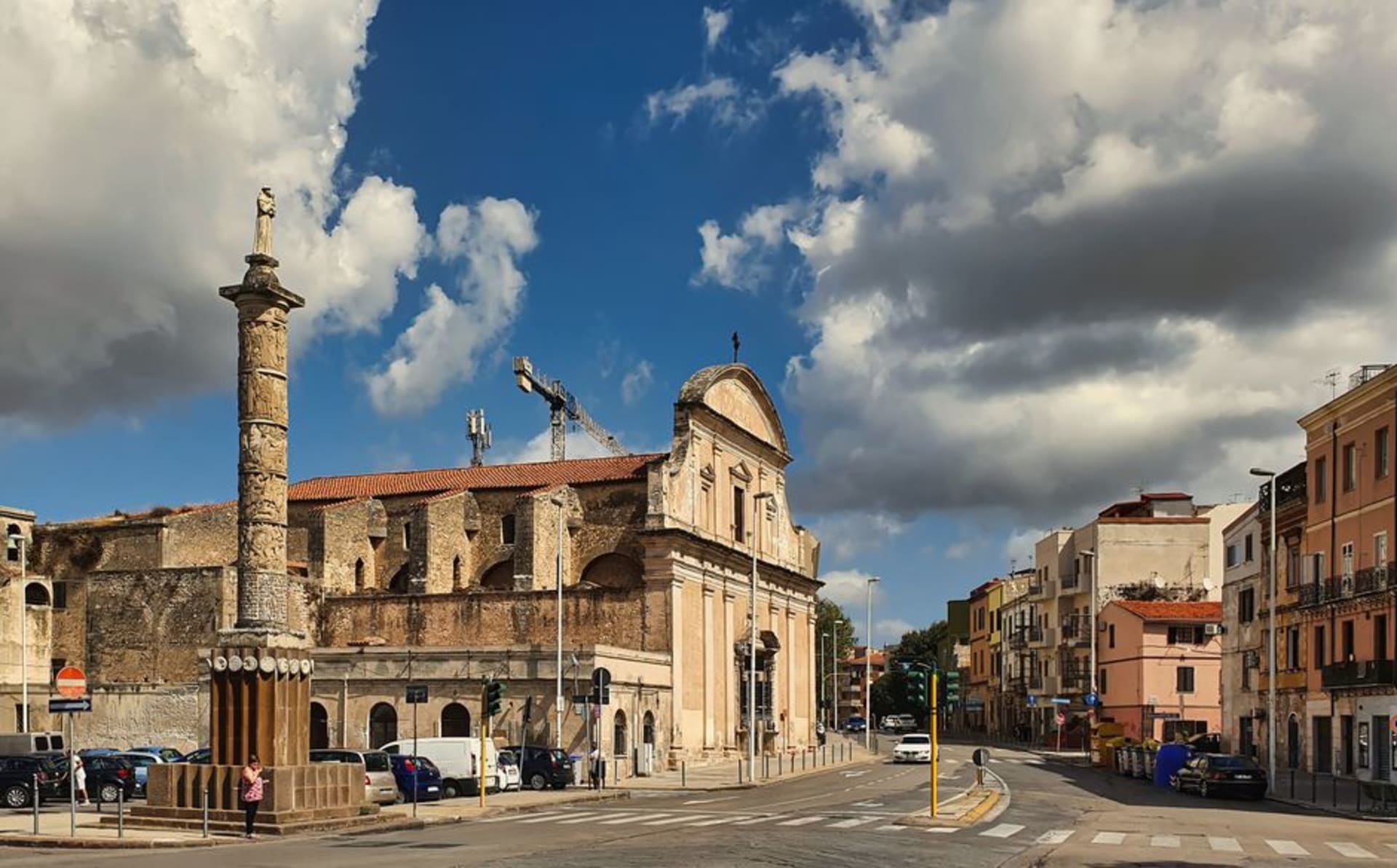
Sassari
"A student told me Sassari and Cagliari have argued about everything for five hundred years. I found this oddly reassuring."
Sardinia's second city and its intellectual counterweight to Cagliari, a dense university town of baroque churches and covered markets that most coastal visitors never bother to see.
Sassari sits inland on a limestone plateau in Sardinia’s northwest, and it has spent centuries in quiet, occasionally not-so-quiet competition with Cagliari for the title of the island’s real capital — a rivalry that seems to animate everything from university politics to the two cities’ respective claims on certain saints. I arrived by train from Alghero on a Wednesday afternoon and immediately felt the shift from resort logic to actual city logic: students on bicycles, shopfronts selling hardware rather than sunscreen, a downtown that clearly functions independently of anyone’s summer vacation.
Piazza d’Italia and the University
The grand Piazza d’Italia, laid out under Savoy rule with the Palazzo della Provincia anchoring one side, functions as the city’s civic heart, ringed by cafés where I watched university students argue over espresso with the specific intensity of people who genuinely believe the argument matters. Sassari’s university, one of Italy’s oldest, gives the whole center an energy that felt distinct from anywhere else I visited on the island — younger, faster-moving, less interested in performing “authentic Sardinia” for visitors because, frankly, almost none show up.
The Duomo and the Cavalcata’s Silver
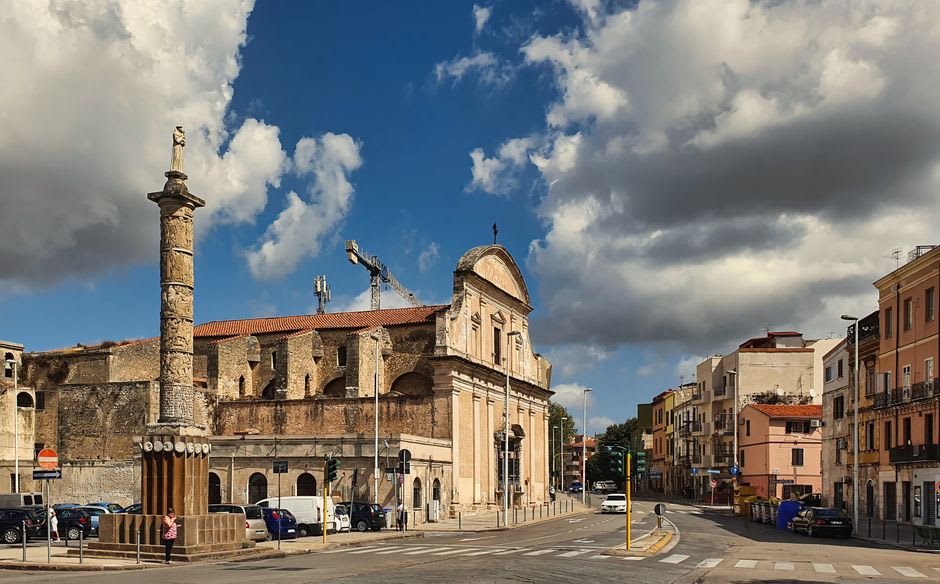
Corso Vittorio Emanuele, the old town’s main artery, threads past the Duomo di San Nicola, its baroque facade an ornate contrast to the plainer Romanesque bones underneath, and past shopfronts selling the elaborate silver filigree jewelry central to Sardinian traditional dress. Sassari hosts the Cavalcata Sarda each May — a procession of costumes and horsemen from across the island that I missed by a few weeks, though the jewelry shop owner I talked to described it with enough animation that I made a note to time a return trip around it.
Eating Where the Locals Actually Eat
I had the best meal of that particular week at a trattoria near the covered market on Via Rosello, where a table of off-duty market vendors was already three courses deep when I arrived. Fregola con arselle — Sardinia’s toasted pasta pearls with clams — arrived without ceremony, and the owner corrected my pronunciation of pecorino sardo with the patient bluntness I’d come to associate with this whole inland, unshowy city.
When to go: Late May, timed around the Cavalcata Sarda festival, gives the fullest picture of the city’s civic pride. Otherwise, any weekday outside August works well, since Sassari runs on university and market rhythms rather than tourist season.