Sant'Antioco
"She held the thread up to the light and it genuinely glowed gold. I still don't fully understand how that's possible."
An island connected to Sardinia by a Roman-era causeway, where a Phoenician necropolis sits beneath the town and one of the last people alive still weaves sea silk by hand.
Sant’Antioco is technically an island, though you’d barely notice crossing onto it — a causeway built over a Roman-era isthmus connects it seamlessly to mainland Sardinia, so seamlessly that I only registered I’d left the “main” island when a road sign welcomed me to the town of the same name. Beneath that unremarkable crossing lies one of the longest continuously inhabited sites in Sardinia, settled first by Phoenicians in the 8th century BC, who called it Sulky, and layered since with Carthaginian, Roman, and medieval history.
The Tophet and the Catacombs
Beneath the modern town, an extensive Phoenician-Punic tophet and necropolis has been excavated with urns and stelae still visible in situ, a somber counterpart to the one I’d later see at Tharros. More unusual still, the town’s parish church sits directly above a network of early Christian catacombs, carved from the same soft rock the Phoenicians had used for burial chambers centuries earlier — a genuinely rare case of one sacred use of ground being layered directly onto another, separated by nearly a thousand years and two entirely different religions.
The Last Weaver of Sea Silk
Sant’Antioco’s most remarkable living tradition, though, has nothing to do with ruins: byssus, or sea silk, a golden thread produced from the filaments of the noble pen shell, a craft now kept alive by essentially one dedicated practitioner on the whole island, working from a small museum-workshop near the harbor. I watched her comb, wash, and spin the fibers by hand — a process that takes weeks per garment and that she’d learned from an even older generation of local women — and held a finished thread up to the light myself, watching it catch a genuine, understated gold shimmer that no dye could replicate.
Coves Without the Crowds
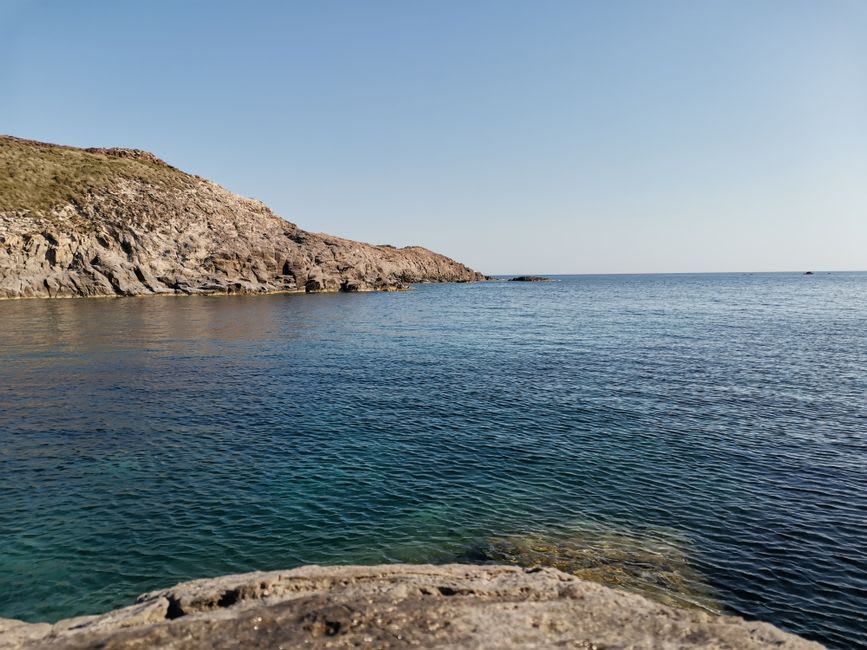
The island’s coastline, particularly around Coaquaddus and Maladroxia on the southern shore, offers a quieter, less developed alternative to the busier beaches further north on the Sardinian mainland — I had a whole cove near Maladroxia essentially to myself on a July afternoon, watching local fishermen work nets from small wooden boats a short distance offshore, seemingly uninterested in whatever brought a tourist to their particular stretch of water.
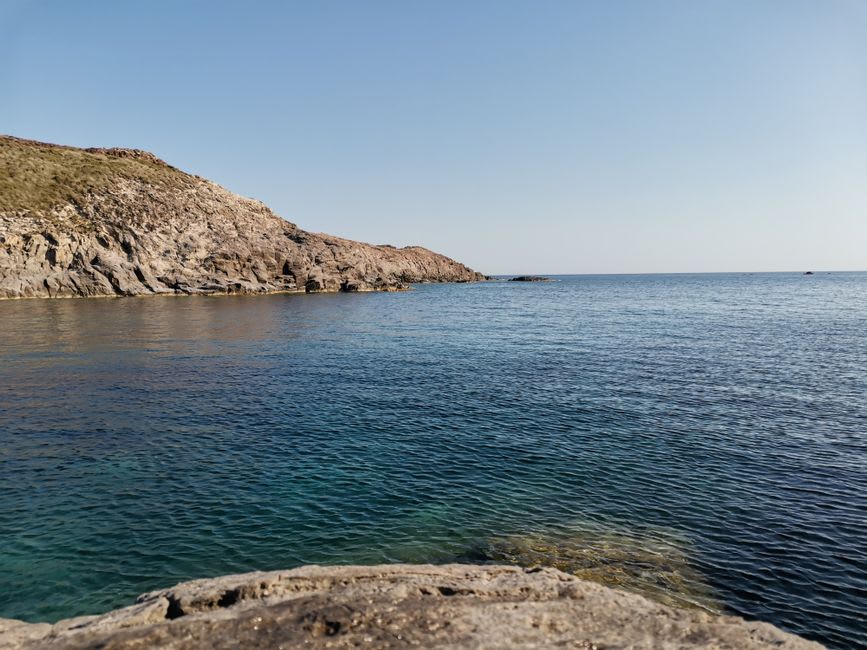
When to go: Visit the byssus workshop any weekday, when the weaver is most likely to be working and willing to demonstrate the craft. May, June, and September give warm water at the southern coves without August’s mainland overflow crowd.
Keep exploring
More from Sardinia
 sardinia
 Santa Teresa Gallura
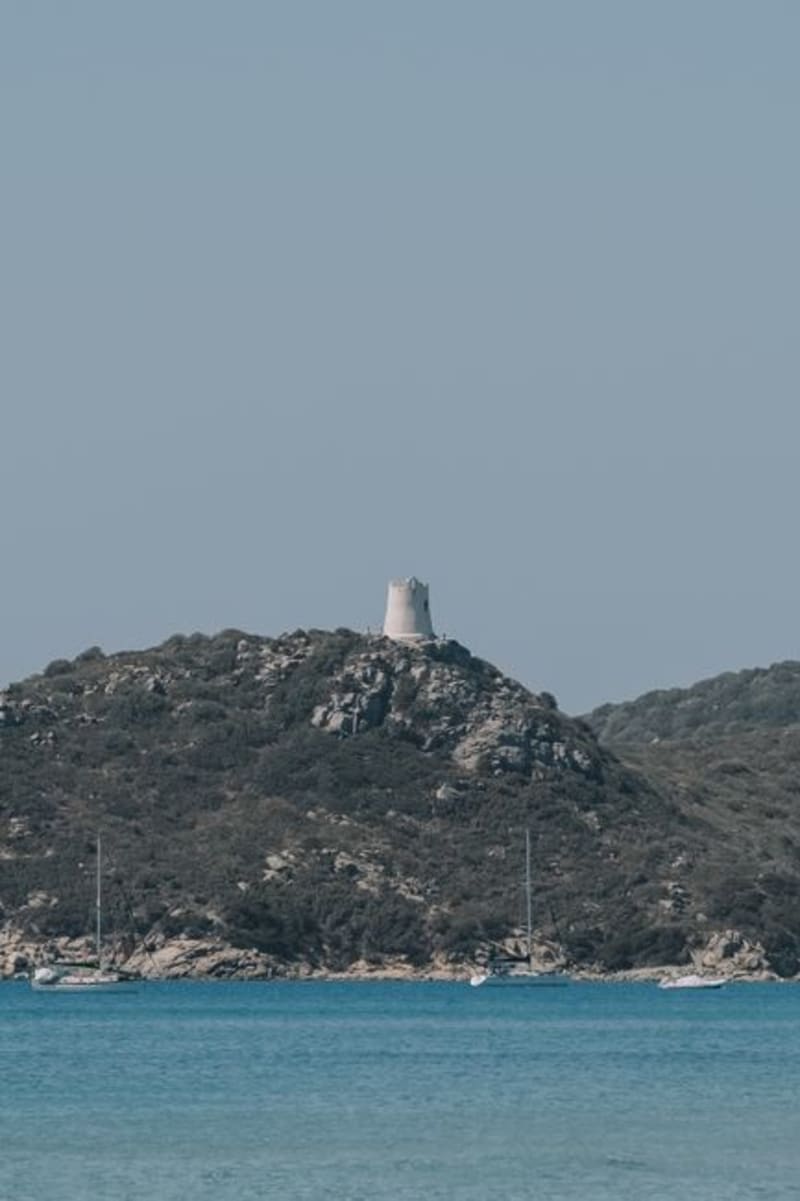
Sardinia's northernmost town, where granite cliffs shaped like folded dough drop into water so clear you can see Corsica on the horizon and the seafloor at the same glance.
Explore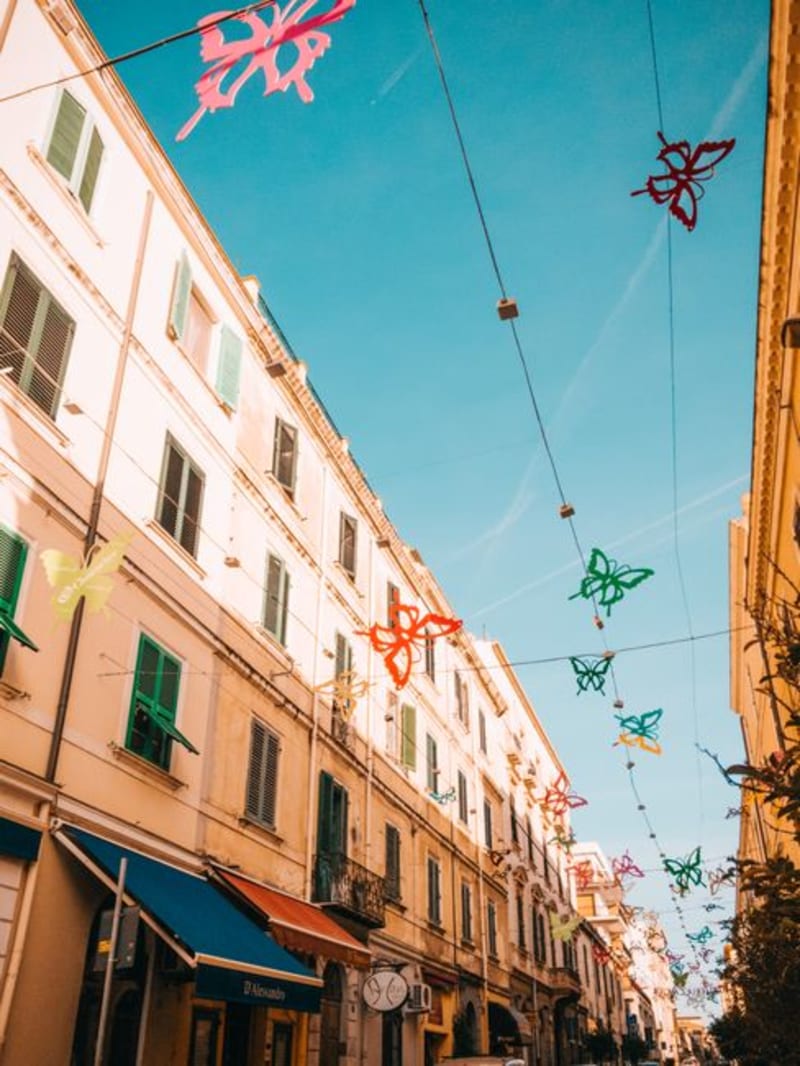 sardinia
 Sassari
Sardinia's second city and its intellectual counterweight to Cagliari, a dense university town of baroque churches and covered markets that most coastal visitors never bother to see.
Explore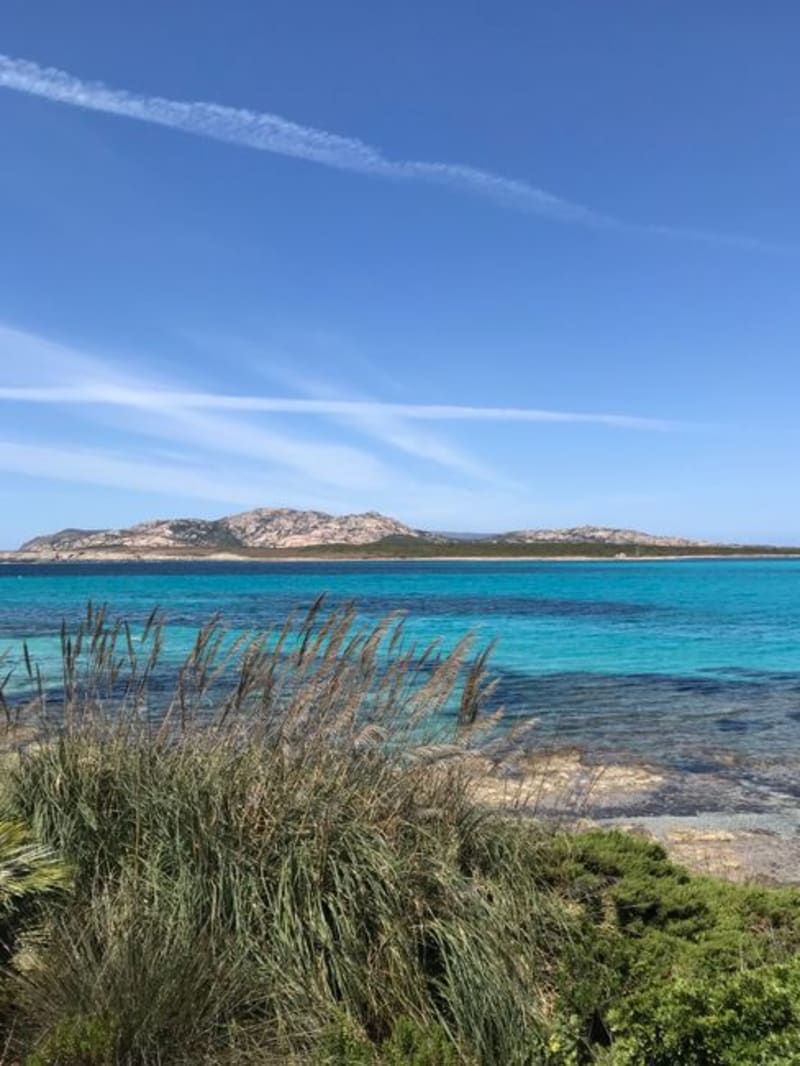 sardinia
 Stintino
A fishing village founded in 1885 by families evicted from Asinara island, now famous for the pink-white sand and Caribbean-blue water of the Spiaggia della Pelosa just up the coast.
Explore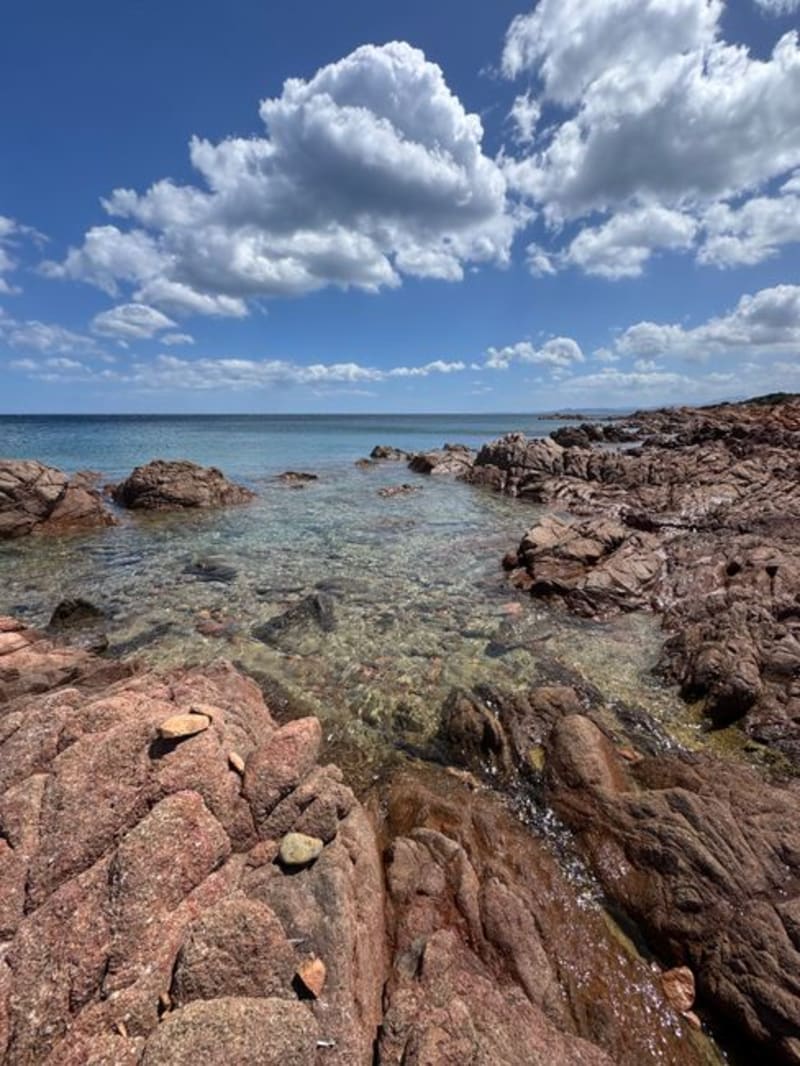 sardinia
 Su Gologone
A karst spring near Oliena where blue-green water pours out of the mountain at a steady, ancient rhythm, beside a restaurant that has spent decades perfecting the Barbagia's mountain cooking.
Explore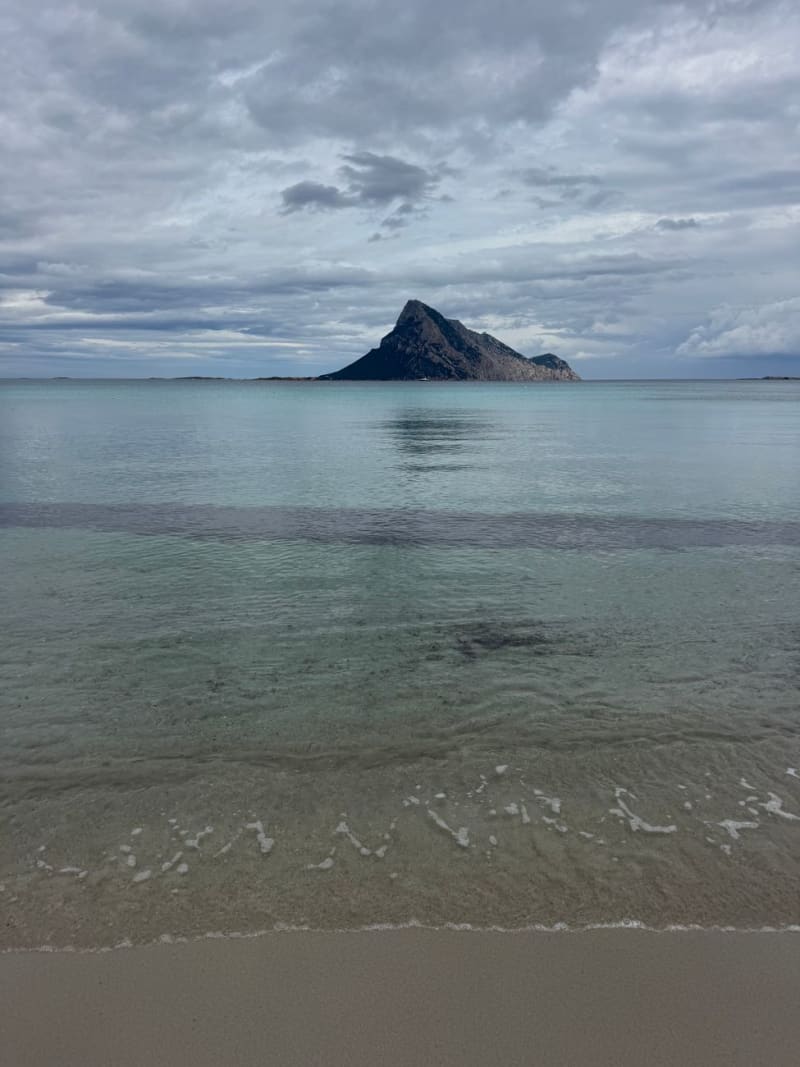 sardinia
 Su Nuraxi di Barumini
A 3,600-year-old Bronze Age tower fortress in Sardinia's interior — the island's strangest, oldest, and most overlooked monument.
Explore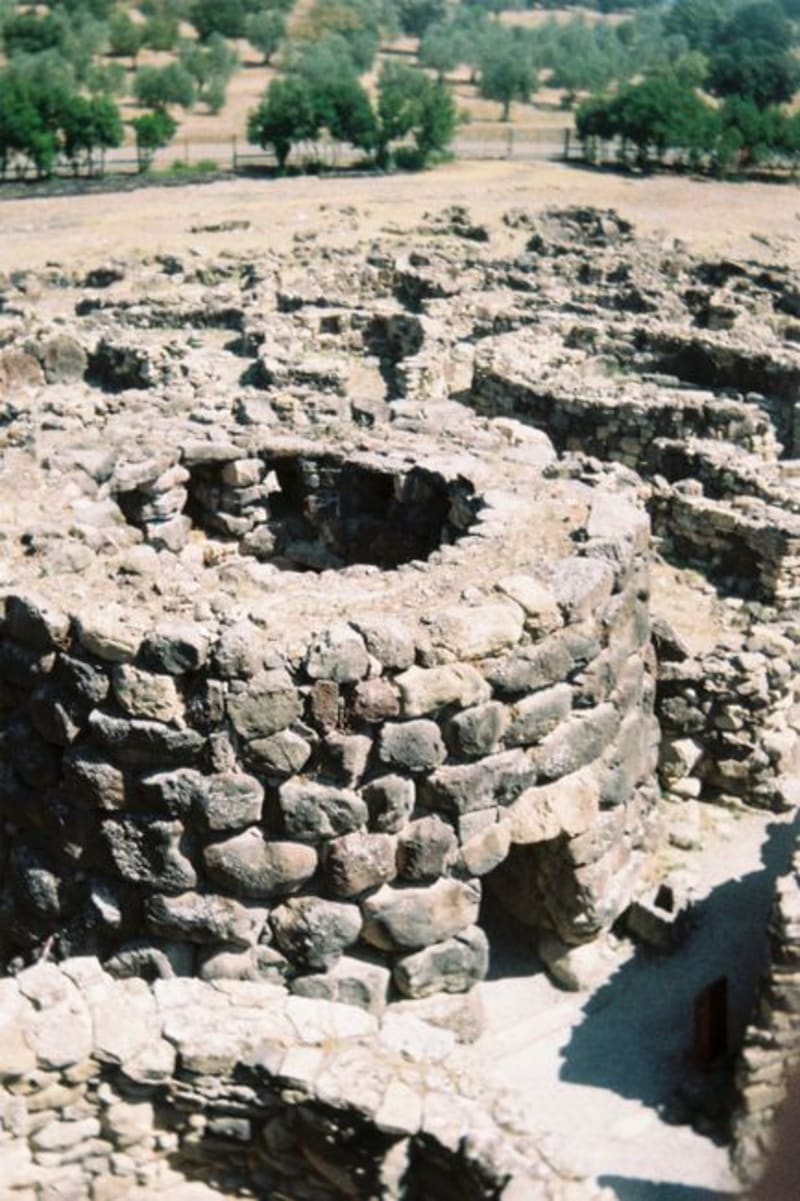 sardinia
 Tharros
A wind-scoured Phoenician-Roman city on the Sinis peninsula where broken columns stand between two seas and the ruins under your feet go back three thousand years.
Explore