Budoni
"Nobody asked where I was staying or what I did for a living. I'd forgotten how rare that had become."
An unpretentious east-coast beach town where the sand is soft and the crowd is mostly Sardinian, a low-key alternative to the polish just up the coast.
Budoni doesn’t try particularly hard, and I mean that as a compliment. Sandwiched on the east coast between the polished ambitions of the Costa Smeralda to the north and the tourist infrastructure of San Teodoro to the south, this stretch of coastline has stayed resolutely modest — a scatter of family-run hotels, a long beach that never quite fills up even in August, and a resident population that seems to actually outnumber the tourists most of the year, which is not something I could say about most of Sardinia’s coast by mid-July.
A Beach Without an Agenda
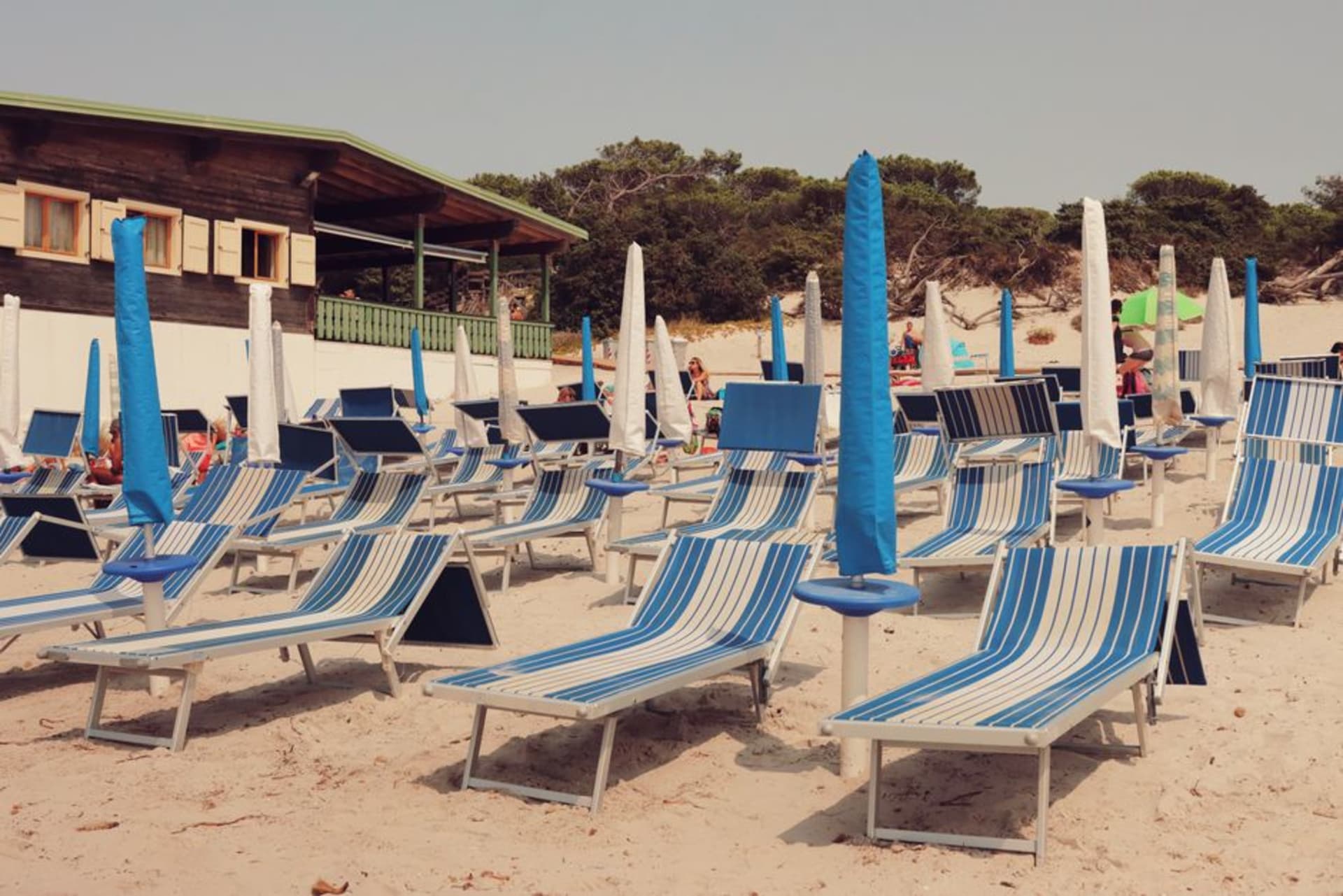
The main Budoni beach runs for kilometers, backed by low dunes and umbrella pines, with sand soft enough that I stopped noticing my feet after the first ten minutes of walking barefoot. The water shelves gently, warms early in the season, and stays calm most days — genuinely good for families, and genuinely good for someone like me who mostly wanted to read a book without being asked to rent a jet ski. I set up near the mouth of the Rio Padrogiano one afternoon, where fresh water meets salt in a shallow lagoon that little kids and wading birds seem to share without much negotiation.
Cala Ginepro and the Smaller Coves
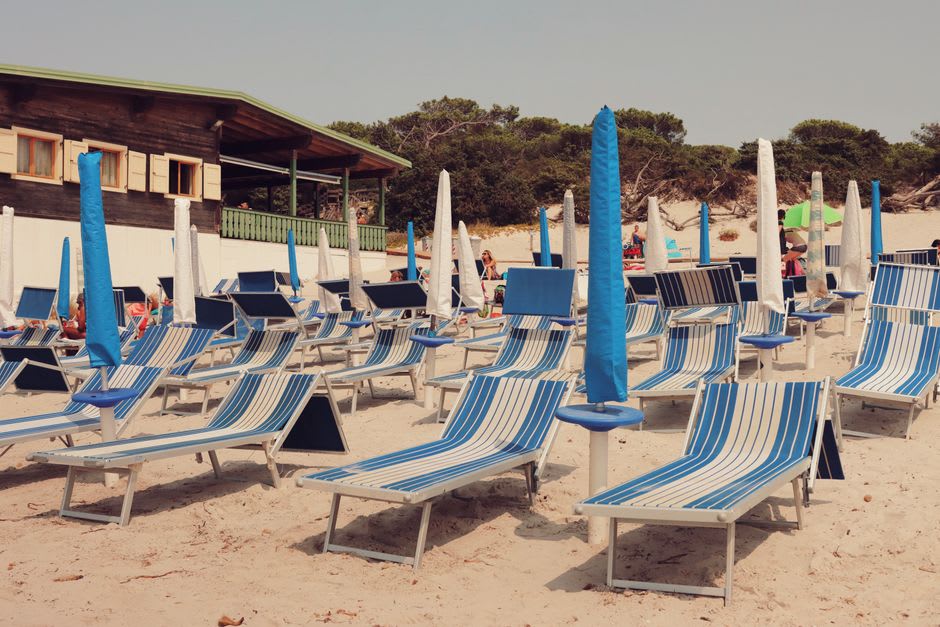
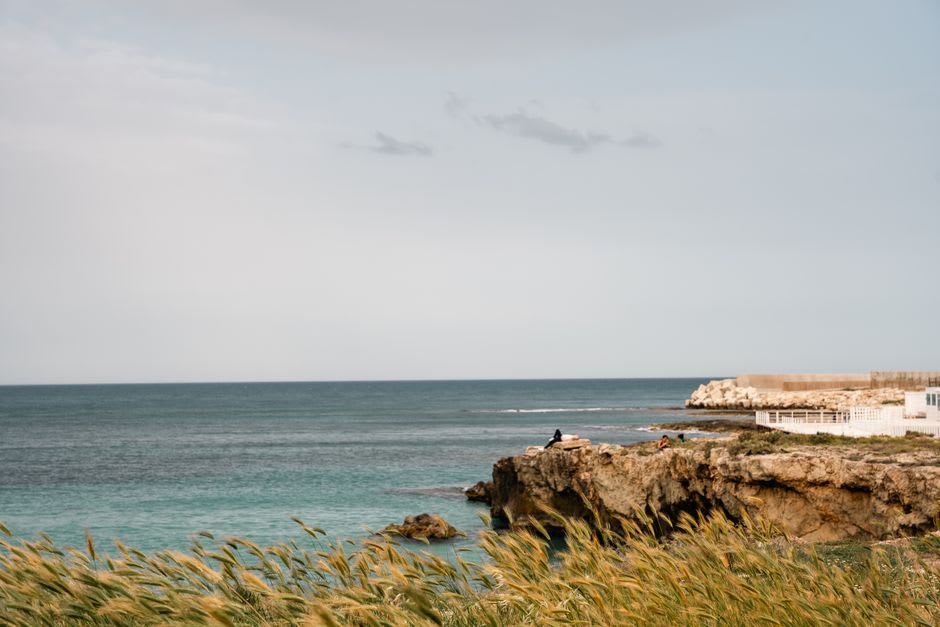
South of the main strip, Cala Ginepro offers a slightly wilder version of the same coastline — juniper scrub instead of manicured hotel gardens, a beach that requires a short walk down from the parking area rather than a valet. I found a rock ledge there in the late afternoon and watched local teenagers do increasingly elaborate cliff jumps into water clear enough that their friends on shore could see exactly how each attempt landed, which seemed to matter more to the group than the height itself.
Evenings in the Old Village
Inland from the beach strip, Budoni’s original village center sits up on a small rise, a quieter cluster of stone houses and a modest church, largely bypassed by the beach crowd below. I had dinner one night at a family trattoria there, plastic tablecloths and a television playing football in the corner, and ate a plate of culurgiones — Sardinia’s ravioli, stuffed with potato, pecorino, and mint, pinched shut in a pattern that looked almost too decorative to eat — that the owner’s mother had apparently made that morning. It cost less than a sandwich would have in Porto Cervo, and it was better than most things I ate that week.
When to go: June and September deliver reliably warm water and a mostly local crowd. Even August here feels calmer than its neighbors, though the good trattorias fill up — reserve ahead if you want the culurgiones.