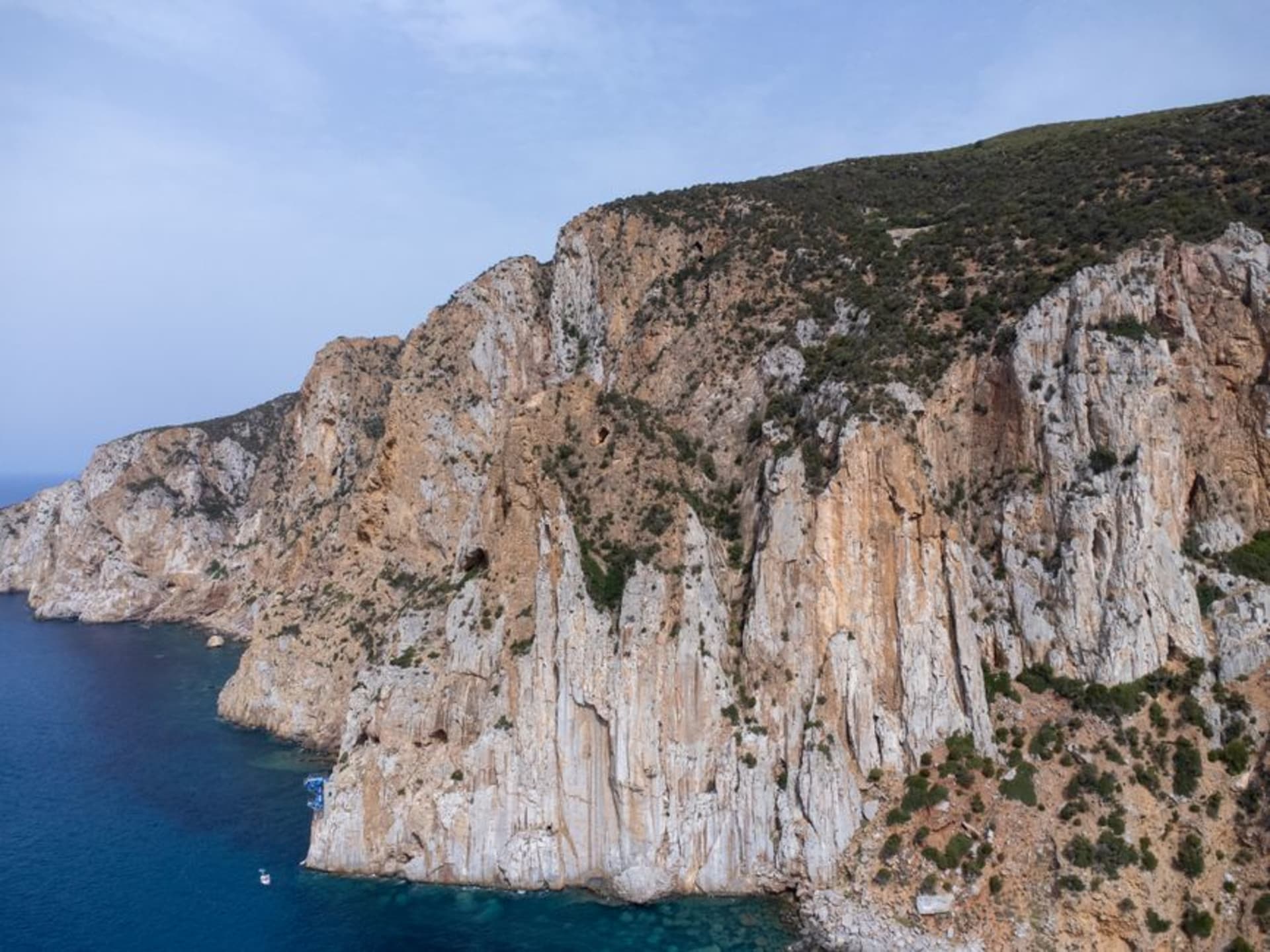
Asinara
"A donkey, pale as chalk and pink-eyed, watched me eat my sandwich with what I chose to interpret as mild judgment."
A former prison island off Sardinia's northwest tip, now a national park roamed by ghostly white donkeys and abandoned cellblocks slowly returning to nature.
Asinara is an island that spent most of the 20th century as one of Italy’s harshest maximum-security prisons, holding mafia bosses and terrorism convicts behind walls that only closed for good in 1997. It reopened a couple of years later as a national park, and the transition from feared penal colony to protected nature reserve happened fast enough that the two identities now sit uncomfortably, fascinatingly close together — you can cycle past a beach of startling turquoise water and, five minutes later, walk into an abandoned cellblock with graffiti still on the walls.
The White Donkeys
The island’s other defining feature predates the prison by centuries: a population of albino donkeys, pale-coated and pink-eyed, found almost nowhere else on Earth, that wander the scrubland with an unbothered, faintly surreal presence. I came across a small group grazing near the old settlement of Cala d’Oliva, and one of them approached close enough to inspect my backpack with real interest, entirely unfazed by my presence in a way that felt specific to an island where humans have mostly either been prisoners, guards, or absent.
Cellblocks and Silence
The former high-security prison at Fornelli, and the compound at Cala d’Oliva that once held a broader population of ordinary detainees, are both accessible on the guided routes that cover most of the island — no cars are allowed beyond official vehicles, so most visitors move by bike or the small shuttle bus. Walking the empty corridors at Fornelli, with sea light coming in through barred windows onto rooms otherwise stripped bare, produced a specific kind of quiet that felt entirely different from the birdsong and cicadas outside.
A Coastline Nobody Developed
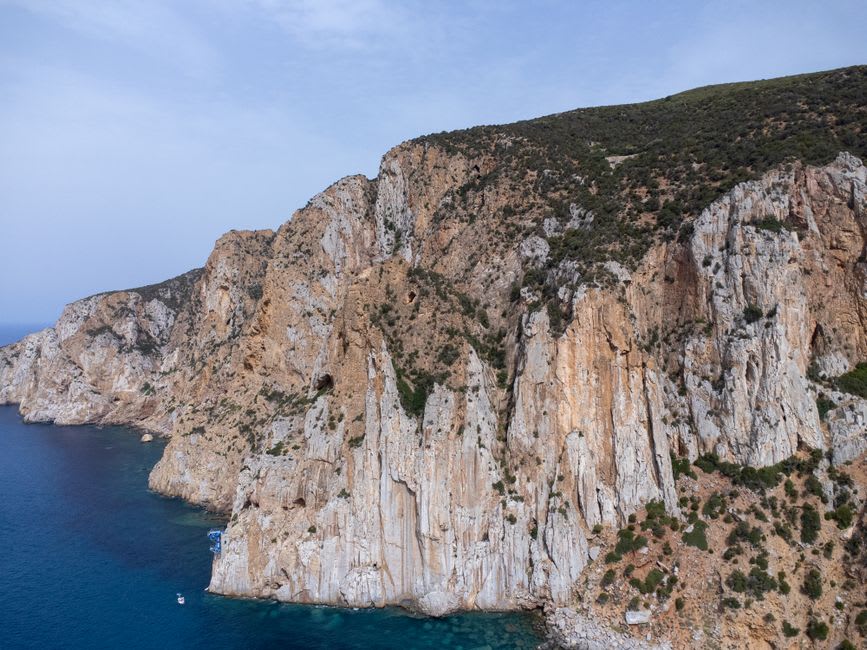
Because the island was off-limits to ordinary development for over a century, Asinara’s beaches and coves — Cala Sant’Andrea, Cala Reale — have a rawness increasingly rare on the rest of Sardinia’s coast: no beach bars, no sunbeds, just granite, scrub, and startlingly clear water. I swam at Cala Reale in the early afternoon with maybe a dozen other visitors along the whole visible coastline, an emptiness that felt less like luck and more like a strange kind of dividend paid out by the island’s difficult history.
When to go: Access is by boat only from Stintino or Porto Torres, and best done April through June or September, when the heat is manageable for cycling the island’s mostly shadeless tracks. Book the boat and any guided prison tour ahead — capacity is limited by park regulation.